

Heating Tune-up in Culver City, CA

Heating tune-up services from Plum HVAC in Culver City, CA, are designed to keep residential systems reliable, efficient, and safe through cooler months by addressing local stresses such as coastal humidity, Santa Ana winds, and wildfire smoke. A typical visit from our team includes a comprehensive checklist: filters, burners, ignition, thermostat calibration, duct inspection, safety controls, heat exchanger, electrical connections, and performance testing. You can expect a clear, plain-language summary of our findings, guidance on any necessary repairs or replacements, and maintenance tips to extend equipment life and reduce emergency calls, all with the trusted service of Plum HVAC.
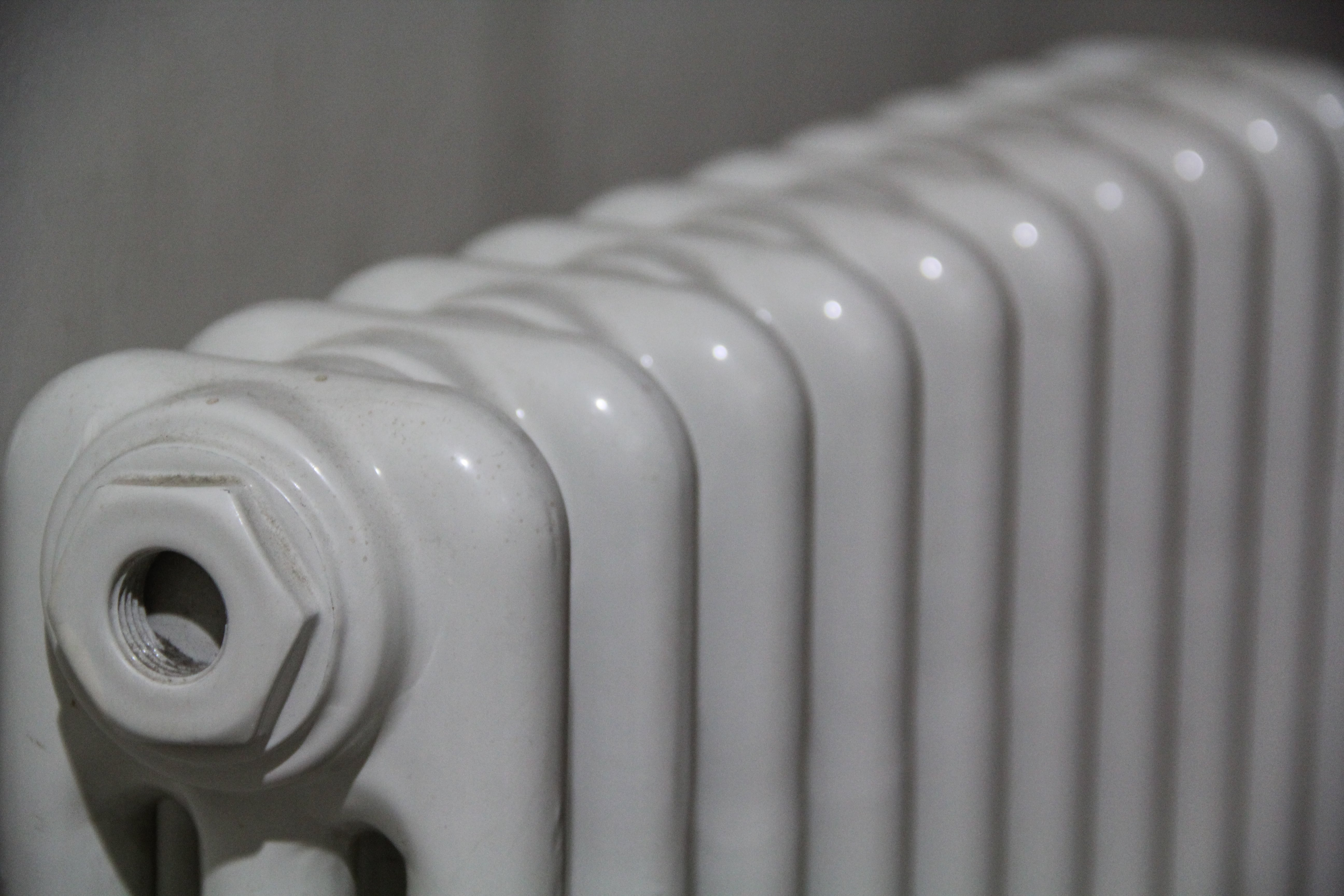
Heating Tune-up in Culver City, CA
A professional heating tune-up in Culver City, CA keeps your system reliable, efficient, and safe through the cooler months. Even though Culver City’s winters are milder than inland areas, coastal temperature swings, seasonal Santa Ana winds, and periodic poor air quality from wildfires make a properly tuned heating system important for comfort and indoor air quality. A tune-up catches small problems before they become emergency repairs, helps your system run more economically, and extends its useful life.
Common heating issues in Culver City homes
- Furnace or heat pump short-cycling during cool nights, often caused by dirty filters or poor thermostat calibration.
- Reduced airflow from attic or wall duct leaks common in older Craftsman and mid-century homes.
- Ignition or burner problems on gas furnaces after long idle periods.
- Corrosion or accelerated wear on outdoor components for homes near the coast due to marine air exposure.
- Increased dust and clogged filters during Santa Ana events and wildfire smoke seasons, causing poor performance and indoor air concerns.
Understanding these local stresses helps prioritize items during a tune-up so systems perform well when you need them.
Typical seasonal maintenance checklist
A complete heating tune-up follows a systematic checklist to verify comfort, efficiency, and safety. Typical tasks include:
- Filter inspection and replacement: Check or change disposable filters and inspect reusable filters. Clean filters improve airflow and indoor air quality, especially important during wildfire smoke events.
- Burner and ignition inspection: Clean burners, inspect ignition controls, and verify reliable start-up on gas furnaces to prevent no-heat calls.
- Lubrication of moving parts: Lubricate blower motors and bearings where applicable to reduce friction and prolong component life.
- Thermostat calibration and function check: Confirm the thermostat reads and controls accurately; recalibrate or recommend upgrades if temperatures are inconsistent.
- Airflow and duct inspection: Measure airflow, inspect accessible ducts for gaps or damage, and note areas where poor insulation or leaks are reducing efficiency.
- Safety controls and limit switches testing: Test safety switches, flame sensors, and pressure switches so the system shuts down safely if a problem arises.
- Heat exchanger and flue inspection: Visually inspect for cracks, corrosion, or blockages that can create safety and efficiency issues in gas systems.
- Electrical connections and voltage checks: Tighten connections and inspect wiring for wear; failing electrical parts are a common source of breakdowns.
- System performance check: Measure temperature rise or system output to confirm the unit is operating to specification.
- Combustion analysis (where applicable): Test combustion efficiency and carbon monoxide levels in gas systems to ensure safe operation.
What to expect during the visit
A professional tune-up typically takes 45 to 90 minutes depending on system type and condition. During the visit you can expect:
- A visual and functional inspection of the heating system, thermostat, and accessible ductwork.
- Cleaning of key components such as burners, pilot assemblies, and blower compartments.
- Filter change or recommendation based on filter type and recent air quality conditions.
- Testing of safety controls and verification that the system starts and runs correctly.
- A clear, plain-language summary of findings, with recommended repairs or parts that may need attention in the near term.
- Suggestions for simple homeowner maintenance tasks to keep the system efficient between professional visits.
Technicians should leave the work area clean and provide explanations about any recommended repairs without technical jargon. Expect honest assessments about whether repair, replacement, or further diagnostics are appropriate.
How tune-ups improve efficiency and prevent breakdowns
Regular tune-ups reduce the risk of unexpected failures and help systems run more efficiently in several ways:
- Improved airflow and clean burners let the system produce required heat using less energy.
- Tight electrical connections and properly lubricated parts reduce strain on motors and components, decreasing wear and tear.
- Early detection of failing parts—sensors, belts, or ignitors—lets you address small issues before they cause a full breakdown.
- Proper thermostat calibration prevents overheating cycles and maintains consistent comfort while saving energy.
- In areas like Culver City where air quality events are seasonal, keeping filters and combustion systems clean prevents soot buildup and potential long-term damage.
The cumulative result is lower energy bills, fewer emergency calls, and extended equipment lifespan.
Recommended frequency and special considerations
- Annual tune-up: For most gas furnaces and standard forced-air systems, schedule a comprehensive heating tune-up once per year before the heating season (late summer to early fall).
- Heat pumps and mini-splits: Because many Culver City homes use heat pumps or ductless systems for both heating and cooling, consider seasonal checks twice a year—once before heating season and once before cooling season—especially for older or heavily used units.
- Older systems or high-use homes: Systems over 10 years old, homes with members sensitive to air quality, or units showing inconsistent performance may benefit from twice-yearly inspections.
- After smoke events or long idle periods: Schedule a check if your system ran heavily during wildfire smoke events or if it sat unused for an extended time.
Maintenance plans and recurring-tune benefits
Enrollment in a recurring maintenance plan commonly includes scheduled inspections, priority appointments during peak seasons, routine filter changes, and discounted repairs or diagnostic rates. For Culver City homeowners concerned about energy costs and indoor air quality, these plans provide predictable service intervals and help ensure your system is prepared for seasonal air quality challenges and temperature swings. Regular, documented tune-ups also help maintain warranty requirements for some equipment.
Simple homeowner maintenance between visits
- Replace or clean filters every 1–3 months, more often during smoke seasons or if you have pets.
- Keep vents and returns clear of furniture and rugs to maintain proper airflow.
- Note and record any unusual sounds, odors, or short cycling so technicians can diagnose early.
- Seal obvious duct gaps and insulate ducts in unconditioned spaces to improve overall system performance.
Customer
Testimonials
Our customers consistently praise the exceptional service and professionalism of our team. They appreciate the honest advice, meticulous work, and the care taken to ensure their satisfaction.

.webp)
Service Areas
