

Heating Tune-up in Commerce, CA

Heating tune-ups in Commerce, CA offer preventive maintenance that enhances safety, reliability, and efficiency by inspecting fuel, combustion, ventilation, and controls. The service addresses common local issues such as dusty filters, worn bearings, and thermostat calibration, while clarifying how tune-ups fit into a long-term maintenance plan for gas furnaces, heat pumps, and packaged systems. The process includes safety testing, component checks, cleaning, and final documentation, with recommendations for repairs and parts to maintain performance and indoor air quality year-round.
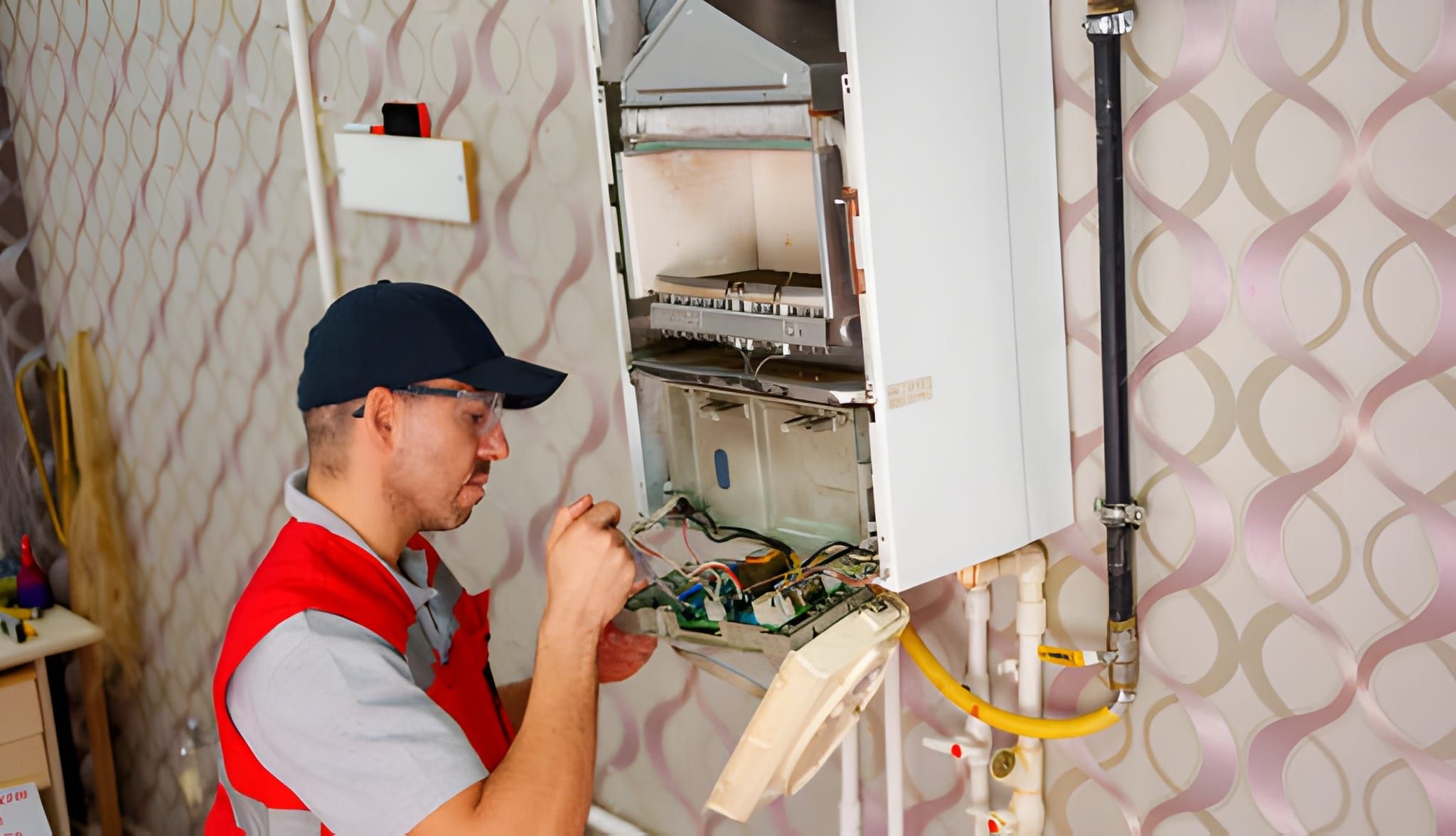
Heating Tune-up in Commerce, CA
A seasonal heating tune-up is a focused inspection and preventive maintenance service that helps keep your heating system safe, reliable, and efficient when you need it most. In Commerce, CA, where winters are mild but air quality and dust can place extra strain on equipment, a proper tune-up reduces unexpected breakdowns, improves indoor comfort, and protects indoor air quality. This page explains what a comprehensive heating tune-up includes, common issues we see in Commerce homes, how the diagnostic process works, and how tune-ups fit into a longer term maintenance plan.
Why a heating tune-up matters in Commerce, CA
- Commerce has relatively short, mild winters, which can lead homeowners to delay service until a problem appears. Preventive tune-ups catch issues before they cause failure on a cold morning.
- Urban dust, vehicle emissions, and regional particulates mean filters and combustion components get dirty faster than in cleaner-air areas, reducing efficiency and increasing wear.
- Proper combustion and venting checks prevent carbon monoxide risks that can arise from blocked flues or fouled burners.
- Seasonal tune-ups can keep heat pumps and packaged units performing well year round in homes that rely on them for both heating and cooling.
Common heating system types and issues in Commerce homes
Most homes in the area use one of these systems:
- Gas furnaces (natural gas) with forced-air distribution
- Heat pumps or packaged HVAC systems that provide both heating and cooling
- Space heaters or boilers in some older homes
Common problems identified during tune-ups:
- Clogged air filters and dirty evaporator or furnace coils
- Soot or debris on burners that cause incomplete combustion
- Worn blower motors, belts, or bearings reducing airflow
- Incorrect thermostat calibration or poor thermostat placement
- Low refrigerant charge or pressure issues in heat pumps
- Cracked heat exchangers, blocked flues, or venting issues that compromise safety
- Loose electrical connections or failing control components
Typical heating tune-up checklist
A full seasonal tune-up covers safety, performance, and efficiency. Typical items include:
- Replace or inspect air filter and recommend proper MERV level for your home
- Clean burner assembly and inspect for proper flame pattern
- Perform combustion and safety checks including carbon monoxide screening and flue inspection
- Inspect heat exchanger for cracks or corrosion where visible
- Check gas pressure and gas valve operation for gas-fired systems
- Calibrate or test thermostat accuracy and setpoints
- Inspect blower wheel and motor, lubricate bearings where applicable, tighten mounts
- Check airflow and duct connection integrity; measure static pressure if airflow issues suspected
- Inspect electrical connections, relays, capacitors, and control board for signs of wear
- Test ignition systems, pilot assembly, or electronic ignition operation
- For heat pumps: check refrigerant pressures, inspect reversing valve, and test defrost cycle
- Verify condensate drain and pan for proper drainage and clogs
- Inspect venting and chimney connections for blockage or deterioration
- Provide a report of findings and recommended repairs or parts replacements
How the diagnostic and tune-up process works
- System history and visual inspection: Review past service notes if available and visually inspect the unit, ducts, and thermostat.
- Start-up and operation: Run the system through a full cycle to observe startup behavior, sound, and airflow.
- Safety testing: Perform combustion analysis on gas systems to measure flame quality and combustion gases. Check for carbon monoxide at the unit and in the living space if indicated.
- Component-level checks: Measure electrical draw, motor function, refrigerant pressures on heat pumps, and inspect belts and bearings.
- Cleaning and adjustments: Clean burners, coils, and blower components; replace or clean filters; adjust gas pressure and airflow to manufacturer specifications.
- Final testing and documentation: Re-run the system to confirm improved operation, record readings, and outline any recommended follow up repairs.
Repairs and solutions commonly recommended after a tune-up
- Filter replacement or upgrade to reduce particulate buildup and improve indoor air quality
- Burner cleaning or replacement if flame quality is poor
- Motor or blower repairs when airflow or noise indicates mechanical wear
- Thermostat replacement or relocation for more accurate control
- Refrigerant recharge and leak diagnosis for heat pumps
- Heat exchanger replacement or further evaluation if cracks are suspected
- Duct sealing or insulation in homes with noticeable heat loss or uneven temperatures
Benefits of regular heating tune-ups
- Improved reliability: Fewer unexpected breakdowns during the colder months
- Better efficiency: Clean burners, calibrated controls, and clear airflow reduce energy use
- Enhanced safety: Combustion and venting checks minimize carbon monoxide and fire risk
- Longer equipment life: Regular maintenance slows wear and delays premature replacement
- Better comfort: Proper airflow and thermostat calibration yield more consistent indoor temperatures
- Warranty compliance: Many manufacturers require annual maintenance to keep warranties valid
Recommended frequency and timing
- Annual tune-up: For most gas furnaces and heating systems, an annual inspection each fall is recommended. In Commerce this is best done before the coolest nights arrive.
- Twice yearly for heat pumps: Heat pumps that provide both heating and cooling perform best with two inspections per year, one in spring and one in fall, to prepare for peak demand seasons.
- More frequent filter checks: Replace or inspect filters every 1 to 3 months depending on filter type, household pets, and local air quality.
- After fuel or power outages: Schedule a check if the system suffered any interruption or if you detect unusual noises or odors.
How a tune-up fits into ongoing maintenance plans
A heating tune-up should be a defined part of an ongoing HVAC maintenance plan. Typical plan components:
- Scheduled annual or semiannual tune-ups with documented readings and service history
- Priority diagnostic scheduling during peak cold weather months to avoid long waits
- Discounted parts or labor for anticipated repairs identified during tune-up
- Filter replacement options and reminders tied to the local air quality cycle and seasonal needs
For Commerce homes, tailoring a maintenance plan around local conditions matters. Factor in heightened particulate levels, occasional coastal humidity shifts, and building age when deciding inspection intervals and filter choices.
Customer
Testimonials
Our customers consistently praise the exceptional service and professionalism of our team. They appreciate the honest advice, meticulous work, and the care taken to ensure their satisfaction.

.webp)
Service Areas
