

Heating Tune-up in Azusa, CA

This page outlines a professional heating tune-up for Azusa homes, detailing why preventative maintenance matters in a variable climate and wildfire-prone air. It covers typical issues found during service, from dirty burners to duct leaks, and presents a standard checklist to restore efficiency and safety. Readers learn how the diagnostic process works, the tangible benefits of regular maintenance, recommended scheduling frequency for Azusa, and practical tips for between-visit care to minimize mid-season failures. It also explains what to expect during a typical in-home visit.
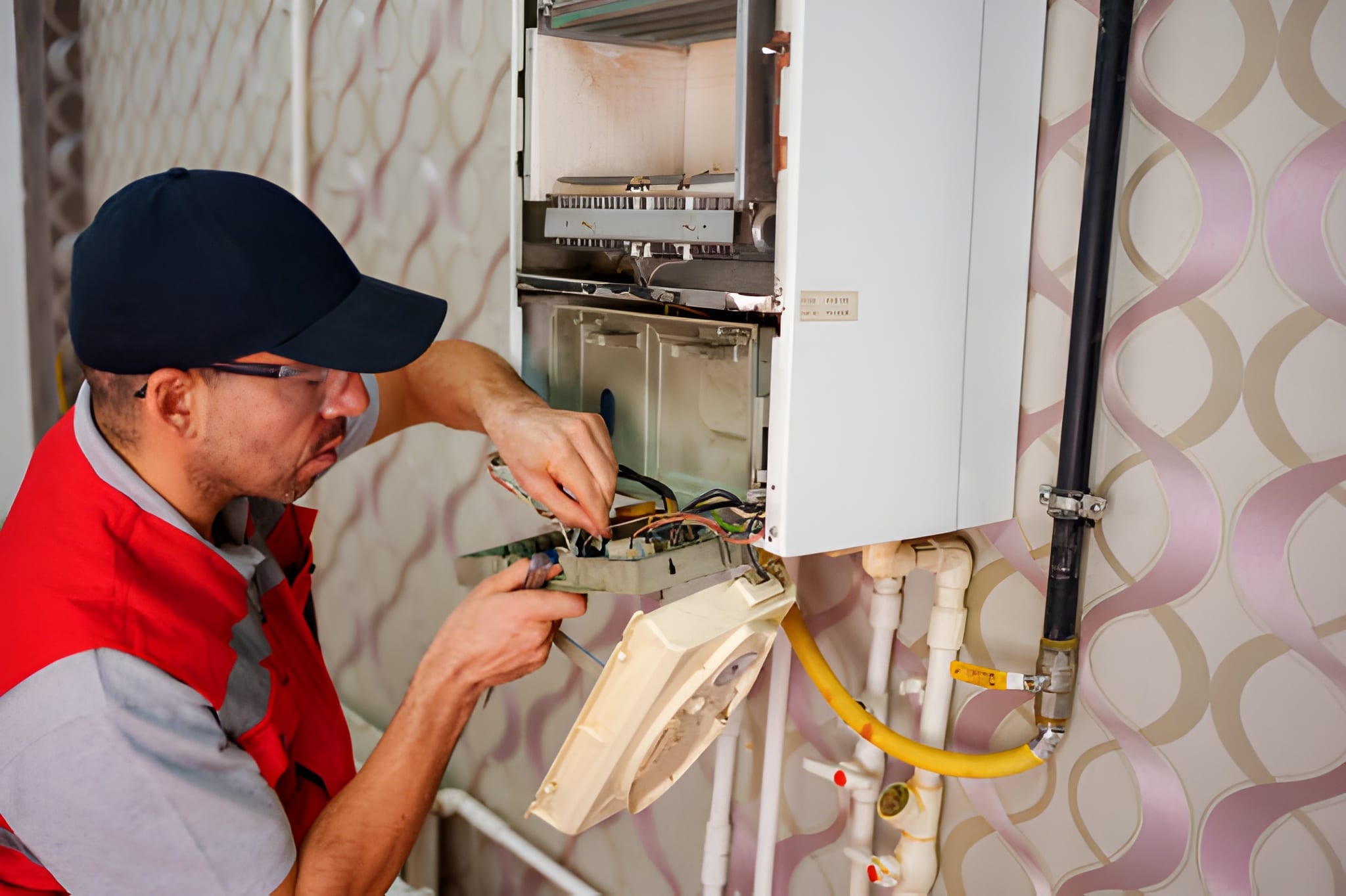
Heating Tune-up in Azusa, CA
A seasonal heating tune‑up is the easiest way to keep your furnace or heat pump running safely, efficiently, and reliably through cooler months. In Azusa, CA, where temperature swings between warm afternoons and chilly nights are common and dry, dusty conditions and wildfire smoke can accelerate wear, a professional heating tune‑up prevents unexpected breakdowns, reduces energy use, and extends equipment life. This page explains what a standard heating tune‑up includes, common problems it catches, the benefits you can expect, recommended frequency for Azusa homes, and what homeowners should know when arranging service.
Why a tune‑up matters for homes in Azusa
- Azusa’s Mediterranean climate means heating is used seasonally but often under pressure during cold snaps; systems left idle through summer can develop issues that appear when you need heat.
- Dry air, Santa Ana winds, and occasional wildfire smoke increase airborne dust, soot, and particulate build‑up in filters and heat exchangers.
- Older homes in the San Gabriel Valley may still have original equipment that benefits most from preventative maintenance to avoid costly mid‑season failures.
- A proper tune‑up addresses safety risks like faulty safety controls or ignition problems that could cause inefficient combustion or present carbon monoxide hazards.
Common heating problems a tune‑up uncovers
- Dirty burners or heat exchanger surfaces that reduce heat transfer and efficiency
- Clogged or improperly sized air filters causing restricted airflow and short cycling
- Malfunctioning thermostats or incorrect thermostat calibration leading to inconsistent comfort
- Worn bearings, belts, or motors that create noise and increase energy draw
- Faulty safety controls, sensors, or ignition components that prevent safe operation
- Duct leaks and loose connections that reduce system effectiveness and indoor air quality
Standard Heating Tune‑up Checklist
A professional seasonal tune‑up follows a systematic checklist to restore reliable performance. Standard items include:
- Cleaning burners and combustion components to ensure even flame and efficient operation
- Inspecting and cleaning heat exchanger surfaces and coils to maximize heat transfer
- Checking and replacing or recommending replacement for air filters; confirming correct filter type and fit
- Testing safety controls and limit switches to verify safe operation under load
- Verifying ignition system and pilot operation (for gas furnaces) or reversing valve and defrost controls (for heat pumps)
- Lubricating motors, bearings, and moving parts to reduce friction and wear
- Inspecting belts, pulleys, and blower assembly; tightening or replacing worn parts
- Measuring airflow and static pressure to confirm adequate circulation and identify duct issues
- Checking electrical connections, voltage, and amperage on motors and compressors for safe operation
- Verifying thermostat operation, calibration, and placement for accurate temperature control
- Examining condensate lines and traps (for high‑efficiency systems) to prevent blockages and water damage
- Brief visual duct inspection to note obvious leaks, disconnections, or contamination
Diagnostic process: what a technician does (in plain terms)
During a tune‑up, a trained technician will start by asking about recent performance and any symptoms you’ve noticed. They will then follow a step‑by‑step diagnostic routine: visually inspect the system and surrounding components, run the heating cycle to observe operation, use basic meters to check electrical and combustion performance, and test safety devices. Measurements like airflow, temperature rise across the heat exchanger, and motor current help identify inefficiencies that aren’t obvious by sight. All findings are explained in clear language with recommended actions and expected outcomes.
A well‑executed heating tune‑up in Azusa protects comfort, safety, and your investment in home heating equipment. Regular seasonal maintenance keeps systems efficient, extends service life, and reduces the chance of inconvenient, costly failures when you need heat most.
Customer
Testimonials
Our customers consistently praise the exceptional service and professionalism of our team. They appreciate the honest advice, meticulous work, and the care taken to ensure their satisfaction.

.webp)
Service Areas
