

Heating Replacement in Stanton, CA

Stanton, CA homeowners considering heating replacement will find comprehensive guidance from Precise Air Systems (FERGUSON) on when to upgrade, the best replacement options for local conditions, and the steps involved from removal to installation. We explain the clear signs of a failing system, including efficiency declines, uneven heating, strange noises, and safety concerns, and compare high-efficiency gas furnaces, electric heat pumps, hybrid systems, and ductless mini-splits. We cover lifecycle factors, ensuring installation quality, compliance for removal and disposal, post-install warranties, incentives, and a typical project schedule.
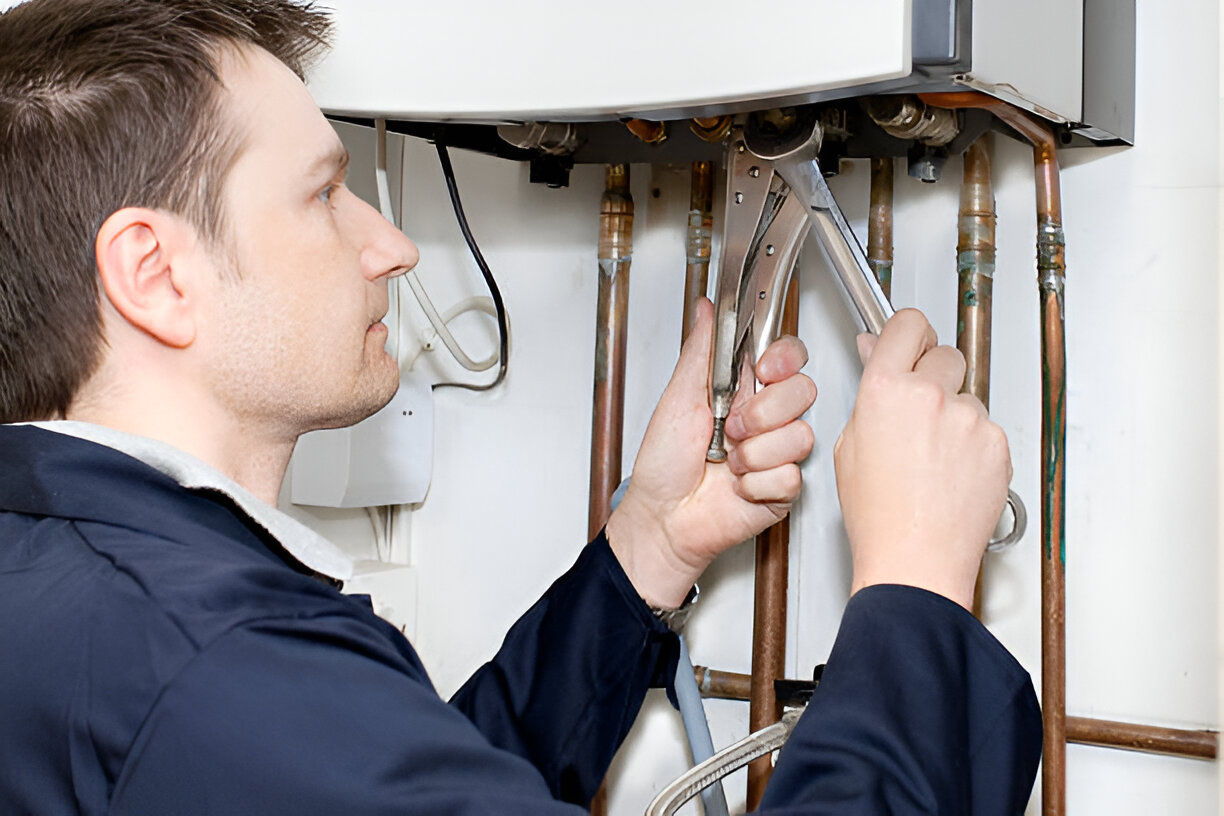
Heating Replacement in Stanton, CA
Replacing a home heating system is a major decision for Stanton, CA homeowners. Although winters here are generally mild, inefficient or failing heating equipment still causes discomfort, higher energy bills, and indoor air quality problems. This page explains the signs it’s time to replace, compares replacement options, outlines the removal and disposal process, and explains the long-term benefits of upgrading to higher-efficiency systems—framed specifically for Stanton homes and local conditions.
Why heating replacement matters in Stanton, CA
Stanton’s warm-temperate climate masks winter cold snaps and cool evenings that require reliable heating. Many local homes were built decades ago and still use older gas furnaces, packaged units, or outdated electric systems that struggle to meet modern comfort and efficiency expectations. Upgrading your system can improve comfort during chillier months, reduce energy use in a region facing rising utility costs, and align your home with California’s energy and emissions goals.
Signs it’s time to replace your heating system
Look for these common heating replacement issues in Stanton, CA homes:
- Frequent breakdowns or repair calls — Repeated failures indicate aging equipment that will continue to need costly fixes.
- Uneven heating or weak airflow — Aging equipment or incompatible ductwork often causes cold spots.
- Rising energy use with the same habits — A steady uptick in bills despite no change in usage usually signals declining efficiency.
- Strange noises or odors — Rattles, banging, or persistent burning smells indicate mechanical or safety problems.
- Unsafe operation — Carbon monoxide concerns, pilot light instability, or corrosion are red flags for replacement.
- System age beyond expected lifecycle — Many heaters approach the end of reliable service after years of use and perform poorly even with repairs.
Replacement options compared
Choosing the right replacement depends on your home, budget constraints, and long-term goals. Common options for Stanton homes include:
- High-efficiency gas furnaces
- Pros: Familiar technology for homes with gas lines, strong heating performance, lower fuel use than older units.
- Considerations: Ongoing natural gas use; local code and emissions goals may influence future choices.
- Electric heat pumps (air-source and mini-split)
- Pros: Efficient heating and cooling in mild climates, eligible for many incentives, reduces on-site combustion.
- Considerations: Best for well-insulated homes; may require electrical upgrades in older properties.
- Hybrid systems (heat pump paired with gas furnace)
- Pros: Balances efficiency and performance during cold snaps; flexible operation.
- Considerations: More complex installation but offers redundancy.
- Ductless mini-splits
- Pros: Ideal for room additions, targeted heating, and homes without existing ducts.
- Considerations: Multiple indoor units increase upfront complexity but provide zoned comfort.
When comparing options, consider efficiency ratings, expected service life, compatibility with existing ductwork or electrical service, and local climate patterns that affect performance.
Lifecycle, performance and what affects long-term value
A replacement’s long-term value depends on equipment quality, proper sizing, installation, and home efficiency. Key factors:
- Correct sizing avoids short cycling or insufficient capacity.
- Quality installation ensures components, refrigerant lines, and ductwork are optimized.
- Home envelope condition (insulation, windows, air sealing) amplifies system performance—improving these reduces system runtime and extends lifespan.
- Maintenance such as seasonal inspections, filter changes, and tune-ups preserves efficiency and saves money over the lifecycle.
Removal and disposal of old equipment
Replacing a heating system involves safe, code-compliant removal of the existing unit. Typical removal steps:
- Decommissioning fuel lines or electrical connections per code
- Recovering refrigerant from HVAC systems using certified equipment
- Disconnecting and un-mounting units, ductwork modification as needed
- Responsible disposal and recycling of metal components and refrigerants according to California environmental rules
In Stanton and across Orange County, proper refrigerant handling and appliance recycling are required by state and local regulations. Responsible removal minimizes environmental impact and ensures your replacement project meets inspection requirements.
Benefits of upgrading to higher-efficiency models
Upgrading yields multiple long-term advantages:
- Lower energy use and better comfort — Modern systems provide steadier temperatures and more efficient operation.
- Improved indoor air quality — New equipment paired with better filtration reduces dust and allergens.
- Reduced emissions — Especially by switching to electric heat pumps or high-efficiency systems.
- Increased home value and marketability — Energy-efficient upgrades are attractive to buyers in the region.
- Eligibility for incentives — Many higher-efficiency products qualify for state and utility programs that can offset part of the upgrade cost.
Expected project schedule
A typical heating replacement project in Stanton, CA follows predictable stages:
- Assessment and sizing — A professional evaluation of your home, ductwork, and electrical/gas connections.
- Equipment selection and permitting — Selecting the right model and obtaining required local permits.
- Removal of old equipment — Safe decommissioning and disposal.
- Installation — Mounting, connecting, testing, and balancing the new system.
- Inspection and commissioning — Final code inspections and performance checks.
Most replacement projects are completed within a few days to a week, depending on system complexity, duct or electrical upgrades, permitting timelines, and any required home improvements.
Incentives and financing available in California
California and local utilities often provide incentives for high-efficiency heating equipment, heat pumps, and complementary home upgrades like insulation. Available support may include rebates, state tax credits, and low-interest financing programs designed to lower upfront costs and accelerate energy savings. Eligibility typically depends on equipment efficiency ratings and professional installation by licensed contractors. Review local utility and statewide programs to understand current offerings and application requirements.
Post-replacement support and warranties
After replacement, the most valuable protections are clear warranties and predictable service:
- Manufacturer warranty covers defects in components for a set period.
- Labor warranty from the installer protects workmanship and installation-related issues.
- Maintenance agreements provide scheduled tune-ups, filter changes, and seasonal checks that maintain efficiency and extend lifespan.
- Commissioning documentation shows system settings and performance benchmarks for future reference.
Keeping records of installation details, warranty documents, and maintenance visits ensures you maximize the new system’s performance and benefits.
Bottom line
Heating replacement in Stanton, CA is about more than swapping equipment. It’s an opportunity to increase comfort, cut energy use, and future-proof your home against changing energy standards. Evaluate options against your home’s layout, lifestyle, and long-term goals; prioritize proper sizing and installation; and take advantage of local incentives to improve project value. With the right approach, a new heating system delivers reliable warmth through cooler months and measurable savings over time.
Customer
Testimonials
Our customers consistently praise the exceptional service and professionalism of our team. They appreciate the honest advice, meticulous work, and the care taken to ensure their satisfaction.

.webp)
Service Areas
