

Heating Repair in Thousand Oaks, CA

Plum HVAC offers expert heating repair for Thousand Oaks homes, covering furnaces, heat pumps, and ductless systems. We explain common problems, symptoms, and the diagnostic steps our technicians use to identify root causes, avoiding unnecessary part replacements. We detail typical repair procedures, parts replacement practices, turnaround times, and emergency response. Plum HVAC also highlights transparent estimates, technician qualifications, warranties, and preventive maintenance tips to keep heating systems reliable, safe, and energy efficient throughout the Thousand Oaks season.
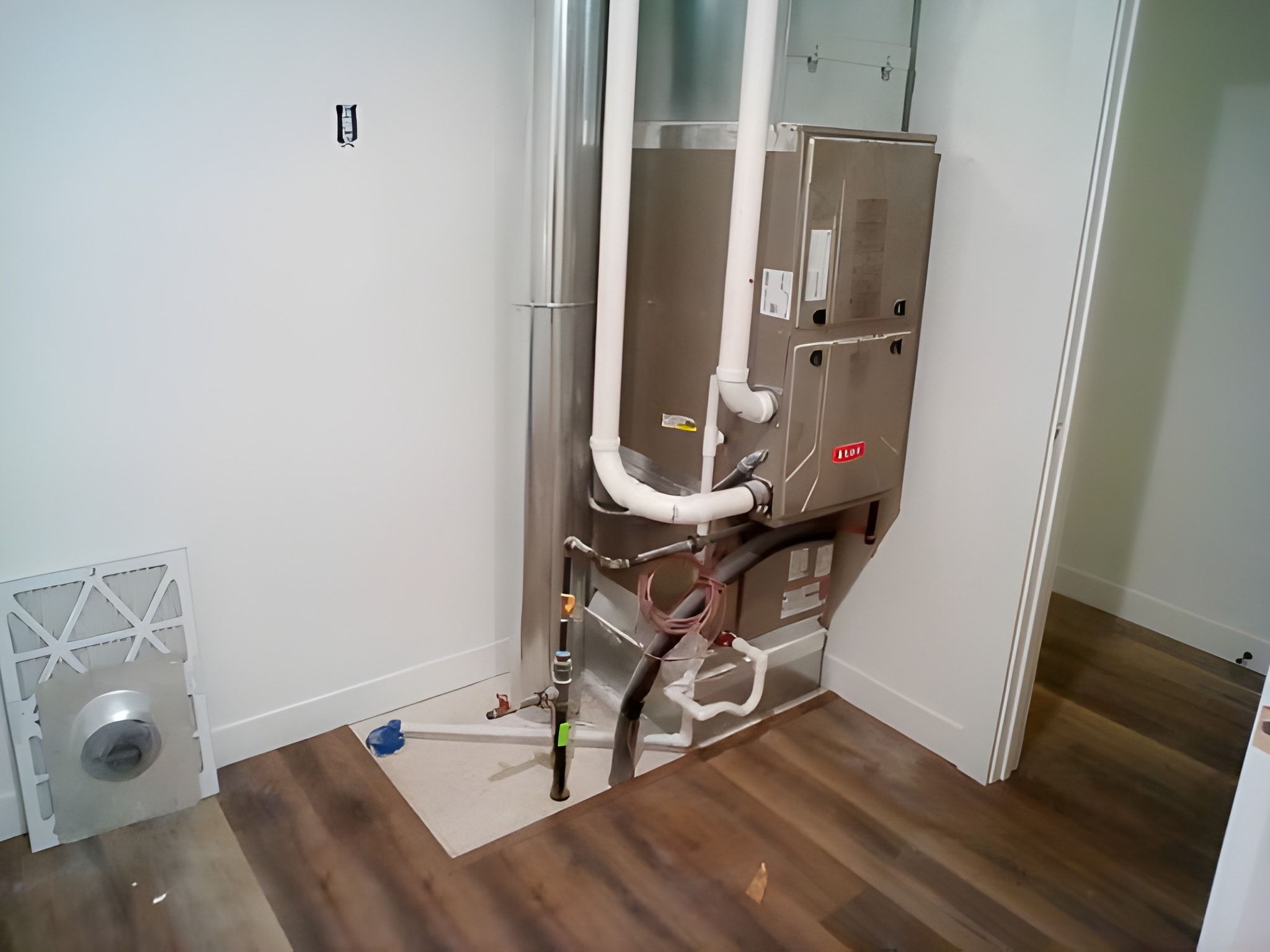
Heating Repair in Thousand Oaks, CA
When your home in Thousand Oaks loses reliable heat, it quickly becomes more than an inconvenience. Whether you have a gas furnace, an electric heat pump, or a ductless mini-split, prompt, professional heating repair restores comfort, protects indoor air quality, and prevents small issues from turning into costly replacements. This page explains common heating system problems and symptoms, how qualified technicians diagnose and repair furnaces, heat pumps, and ductless systems, parts replacement practices, expected turnaround and emergency response, what to expect from estimates and guarantees, and practical preventative tips tailored to Thousand Oaks homes.
Common heating system problems and symptoms in Thousand Oaks
Local climate and seasonal conditions in Thousand Oaks - mild winters with occasional cool snaps and wildfire smoke episodes - create typical failure patterns across systems.
- Furnaces
- No heat or intermittent operation
- Pilot or ignition failure, frequent short cycling
- Uneven heating between rooms
- Strange odors or visible soot (combustion issues)
- Loud bangs at start up (delayed ignition)
- Heat pumps (air-source)
- Weak or no warm airflow
- Frost or ice buildup on outdoor unit in cooler nights
- System runs constantly without reaching set temperature
- Refrigerant leaks or hissing sounds
- Reduced efficiency after wildfire smoke events clogging coils
- Ductless mini-splits
- Indoor head not producing warm air
- Dripping or water around indoor unit
- Error codes or blinking LEDs
- Excessive noise from indoor or outdoor units
- Airflow, controls, and safety
- Dirty filters and restricted airflow
- Thermostat mis-calibration or wiring faults
- Duct leaks causing heat loss and pressure problems
- Carbon monoxide concerns for gas furnaces (detectors and venting)
Diagnostic approach: how technicians find the root cause
A systematic diagnosis prevents unnecessary part replacement and ensures long-term fixes.
- Visual inspection and safety checks
- Check power, gas supply, combustion chamber, venting, and flue for furnaces; inspect outdoor coils and compressor for heat pumps; look for blocked condensate drains on ductless units.
- Controls and electrical testing
- Verify thermostat settings, voltage to motors, and continuity of control boards and sensors.
- Airflow and ductwork evaluation
- Measure supply and return airflow, inspect filters, and assess duct sealing and insulation.
- Refrigerant and mechanical diagnostics (for heat pumps and mini-splits)
- Check pressure readings, superheat/subcooling, compressor operation, and look for signs of leaks.
- Combustion analysis and safety testing (gas systems)
- Test for proper gas pressure, flame quality, and carbon monoxide, plus venting performance.
Each diagnostic step is documented so recommended repairs address the underlying cause and not just the symptom.
Typical repair procedures by system
Repairs focus on restoring safe, efficient operation while preserving component life.
- Furnace repair
- Clean or replace burners, inspect and clean the heat exchanger, service ignition assembly or pilot, replace faulty limit switches, motors or inducer fans, and adjust gas valves and pressure. If the heat exchanger is cracked, replacement is required for safety.
- Heat pump repair
- Recover, repair, and recharge refrigerant if there is a confirmed leak; replace compressors, contactors, capacitors, reversing valves, and defrost controls as needed; clean or replace coils and air filters to restore heat transfer.
- Ductless system repair
- Clear condensate drains, replace fans or PC boards, repair refrigerant lines and indoor sensors, and address communication faults between indoor heads and outdoor units.
- Parts replacement practices
- Technicians evaluate OEM compatibility and reliability. Critical safety components (heat exchangers, gas valves) are only replaced with equivalent quality parts. Refrigerant work follows EPA requirements and uses certified refrigerant handling practices. Replaced components and warranty coverage are documented for transparency.
Turnaround times and emergency response
- Many diagnostic visits resolve common failures the same day when parts are available. Simple repairs such as filter changes, motor replacement, or control resets are often completed on the first visit.
- More complex repairs requiring special-order parts or compressor replacement may take additional time for parts procurement and scheduling. Technicians typically provide a clear timeline and work plan when parts are required.
- Emergency no-heat situations are prioritized—especially when vulnerable occupants are present or when gas safety is a concern. Emergency response protocols include immediate safety isolation for gas leaks or suspected carbon monoxide issues and temporary measures to restore safe operation until full repair is completed.
Transparent estimates and what affects cost
Estimates are provided after diagnosis and outline recommended repairs, required parts, labor, and any warranty terms. Key cost drivers include:
- Type and age of the system (older systems may have discontinued parts)
- Whether the issue is electrical, mechanical, or refrigerant-related
- Accessibility of equipment (attic or tight spaces increase labor)
- Need for safety-critical replacements (heat exchangers, compressors)
- Seasonal demand and parts lead times
Estimates should be itemized so you understand each component of the work and why it is necessary.
Technician qualifications and guarantees
Look for technicians with:
- NATE or equivalent HVAC certifications demonstrating trade competency
- EPA 608 certification for refrigerant work
- Manufacturer-specific training for proprietary systems and warranty-compliant repairs
- Proof of insurance and licensing
Repairs should include a workmanship guarantee and clear information about parts warranties governed by manufacturer terms. Technicians should document tests performed after repair to verify safe, efficient operation.
Preventative tips to avoid repeat failures in Thousand Oaks homes
Preventative care reduces emergency repairs and improves efficiency in the local climate.
- Schedule annual tune-ups before the heating season for furnaces and heat pumps; mini-splits also benefit from yearly checks.
- Replace or clean filters every 1 to 3 months, more often during wildfire smoke or high-pollen periods.
- Keep outdoor heat pump and mini-split units clear of debris, landscaping, and accumulated ash after regional fires.
- Seal and insulate accessible ducts to prevent heat loss across older Thousand Oaks homes.
- Ensure carbon monoxide detectors are installed and tested if you have a gas furnace.
- Use smart thermostats or setback schedules to reduce runtime but avoid frequent short cycling.
- Address odd noises, odors, or cycling immediately to prevent escalation.
Benefits of prompt, professional heating repair
Timely repair preserves occupant safety, restores comfort during cooler nights in Thousand Oaks, improves energy efficiency, and extends system life. A correctly diagnosed and executed repair protects warranties and prevents repeated service calls. With transparent estimates, certified technicians, and a preventive maintenance plan, you minimize surprises and keep your home reliably warm through the season.
Customer
Testimonials
Our customers consistently praise the exceptional service and professionalism of our team. They appreciate the honest advice, meticulous work, and the care taken to ensure their satisfaction.

.webp)
Service Areas
