

Heating Repair in Pico Rivera, CA

Heating repair in Pico Rivera, CA addresses common system issues with a focus on safety, reliability, and efficiency. Technicians diagnose faults such as blower failures, ignition problems, thermostat malfunctions, and refrigerant leaks through a clear step-by-step process. Services include same-day and emergency repairs, genuine replacement parts, and warranty-backed work for long-term peace of mind. Homeowners receive practical guidance on preventive maintenance and when to consider replacement, helping them avoid costly breakdowns and maintain consistent comfort year-round.
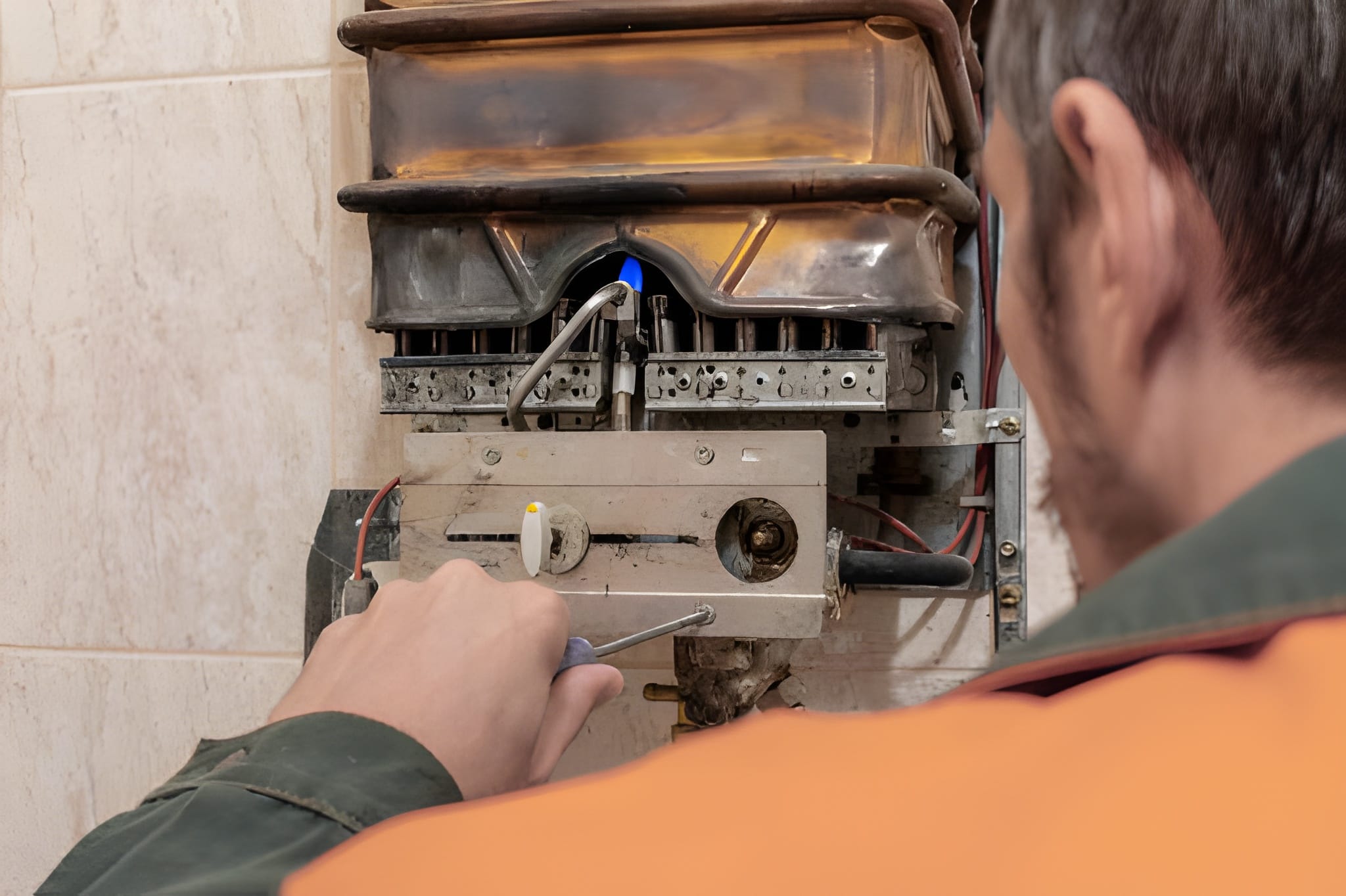
Heating Repair in Pico Rivera, CA
When your home heating fails in Pico Rivera, CA, even mild winter nights can feel uncomfortable and unsafe. Heating Repair in Pico Rivera, CA focuses on fast, reliable diagnosis and repair for furnaces, heat pumps, boilers, and wall heaters common to the area. Because many Southern California homes use heating less frequently, problems often build up unnoticed until cold weather arrives. This page explains common heating faults in Pico Rivera homes, how technicians diagnose and repair them, emergency and same-day service expectations, typical parts replacement and warranties, and practical steps you can take to prevent future breakdowns.
Why heating issues in Pico Rivera require a local approach
Pico Rivera has a Mediterranean climate with mild winters and infrequent cold snaps. That leads to less seasonal use, which can cause problems such as stuck pilot lights, clogged filters, or corroded components from intermittent operation. Local air quality and dust from nearby urban and industrial zones can clog intake vents and filters faster than in rural areas, increasing wear on blowers and heat exchangers. Local technicians account for these regional patterns when they diagnose systems and recommend repairs.
Common heating repair issues in Pico Rivera, CA
- Thermostat failure or poor calibration resulting in uneven temperatures.
- Dirty or clogged air filters causing reduced airflow and system short cycling.
- Ignition problems and faulty pilot assemblies on gas furnaces.
- Failed igniters or flame sensors that prevent burners from staying lit.
- Blower motor failures, noisy bearings, or bad capacitors.
- Heat pump issues: low refrigerant, compressor failures, reversing valve faults, or ineffective defrost cycles.
- Cracked heat exchangers or combustion-related safety failures on older equipment.
- Duct leaks and blocked vents leading to poor heat distribution.
- Electrical control board or relay failures causing intermittent operation.
- Tripped safety switches due to airflow restriction or overheating.
How technicians diagnose heating problems
Technicians follow a structured troubleshooting process to isolate the root cause efficiently and minimize repeat visits. Typical diagnostic steps include:
- Visual inspection: Check vents, outdoor unit condition, flue, visible wiring, and signs of corrosion or leaks.
- Thermostat check: Verify settings, sensor calibration, and battery power. Confirm thermostat communicates properly with the system.
- Electrical testing: Measure voltage and continuity at major components to detect failed capacitors, relays, or motors.
- Ignition and gas checks: For gas systems, confirm proper gas pressure, test the igniter or pilot, inspect the gas valve, and evaluate flame quality.
- Airflow assessment: Inspect filters, blower wheel, and ductwork for restriction or disconnection. Measure static pressure if necessary.
- Refrigerant and heat pump checks: Test refrigerant charge, compressor operation, and defrost cycle performance.
- Safety systems and combustion: Test limit switches, pressure switches, and, when applicable, perform combustion or CO checks for safe operation.
- System run test: Operate the system through a full heating cycle to confirm repair and observe for intermittent faults.
Technicians document findings and, when possible, show you the failed parts and explain why a repair or replacement is needed in plain language.
Typical repairs and parts replacement
Repairs in Pico Rivera homes commonly involve these components:
- Filters and condensate drain cleaning to restore airflow.
- Thermostat replacement or reprogramming for more accurate control and efficiency.
- Flame sensor or hot surface igniter replacement on gas units.
- Blower motor, capacitor, or belt replacement to restore proper airflow.
- Control board or relay replacement for electrical faults.
- Refrigerant recharge or leak repair, compressor or reversing valve repair for heat pumps.
- Heat exchanger inspection and replacement decisions when cracks or severe corrosion are present.
- Duct sealing, insulation repair, or vent cleaning to improve distribution.
Technicians will recommend repair versus replacement based on the age of the equipment, anticipated remaining lifespan, efficiency differences, safety concerns, and cost-effectiveness.
Emergency and same-day heating repair expectations
In Pico Rivera, emergency heating repair typically covers situations that create a safety risk or leave residents without heat during cold periods. Examples include total system failure in freezing conditions, gas leaks, unusual burning smells, or suspected carbon monoxide hazards. Same-day repairs are common for non-safety-critical failures where parts are available locally.
Expected response times will vary by provider and workload. For planning purposes:
- Emergency response: often within a few hours when gas leaks, carbon monoxide, or immediate safety issues are present.
- Same-day service: generally available during business hours for priority repair requests, often within 4 to 8 hours depending on local availability and parts.
Technicians will prioritize safety: shutting down unsafe systems and advising on interim measures while repairs are arranged.
Repair warranties and what to expect
Standard warranties for heating repair typically include:
- Manufacturer parts warranties: can range from 1 year to 10 years depending on the part and equipment manufacturer. Heat exchanger warranties on furnaces often have longer manufacturer terms on newer units.
- Labor warranties: many service providers offer a limited labor warranty for repairs, commonly 30 to 365 days depending on the company policy.
- After-repair guarantees: reputable technicians document work performed and provide written information on what is covered.
When arranging repairs, ask for written warranty details so you know what parts and labor are covered, how to make a claim, and any maintenance obligations to keep the warranty valid.
Preventive steps to reduce breakdowns in Pico Rivera homes
- Annual tune-up: schedule a professional heating inspection and tune-up in early fall to catch issues before cold weather.
- Replace filters regularly: in Pico Rivera’s urban environment, check high-efficiency filters every 1 to 3 months during use.
- Clean vents and returns: keep furniture and curtains away from registers to maintain airflow.
- Run your system briefly before the season: a short test run in late summer can reveal problems early.
- Seal and insulate ducts: reduce heat loss and improve efficiency, especially in older homes with uninsulated crawlspaces or attics.
- Upgrade thermostat: a programmable or smart thermostat improves comfort and reduces unnecessary runtime.
- Install and test carbon monoxide detectors: mandatory safety devices for homes with gas furnaces or heaters.
Final notes on reliability and safety
Timely repairs preserve system efficiency, extend equipment life, and prevent unsafe conditions. Because Pico Rivera homes often experience infrequent heating use and increased airborne particulates, proactive maintenance and prompt attention to minor issues deliver the best long-term reliability. When repair is needed, expect a structured diagnosis, clear explanation of options, and documented warranty information to give you confidence in the solution.
Customer
Testimonials
Our customers consistently praise the exceptional service and professionalism of our team. They appreciate the honest advice, meticulous work, and the care taken to ensure their satisfaction.

.webp)
Service Areas
