

Heating Repair in Lynwood, CA

Heating repair services in Lynwood, CA provide expert diagnostics and solutions for gas furnaces, heat pumps, ductless units, and hybrid systems. Technicians address common issues such as ignition failures, blower and control board problems, gas line concerns, and heat exchanger faults through a structured diagnostic process. Services include transparent estimates for parts, labor, and warranties, with same-day or urgent response options and certified technicians ensuring safety and compliance. Preventive guidance highlights routine maintenance, detector checks, and timely repairs to maintain efficiency, comfort, and long-term system reliability.
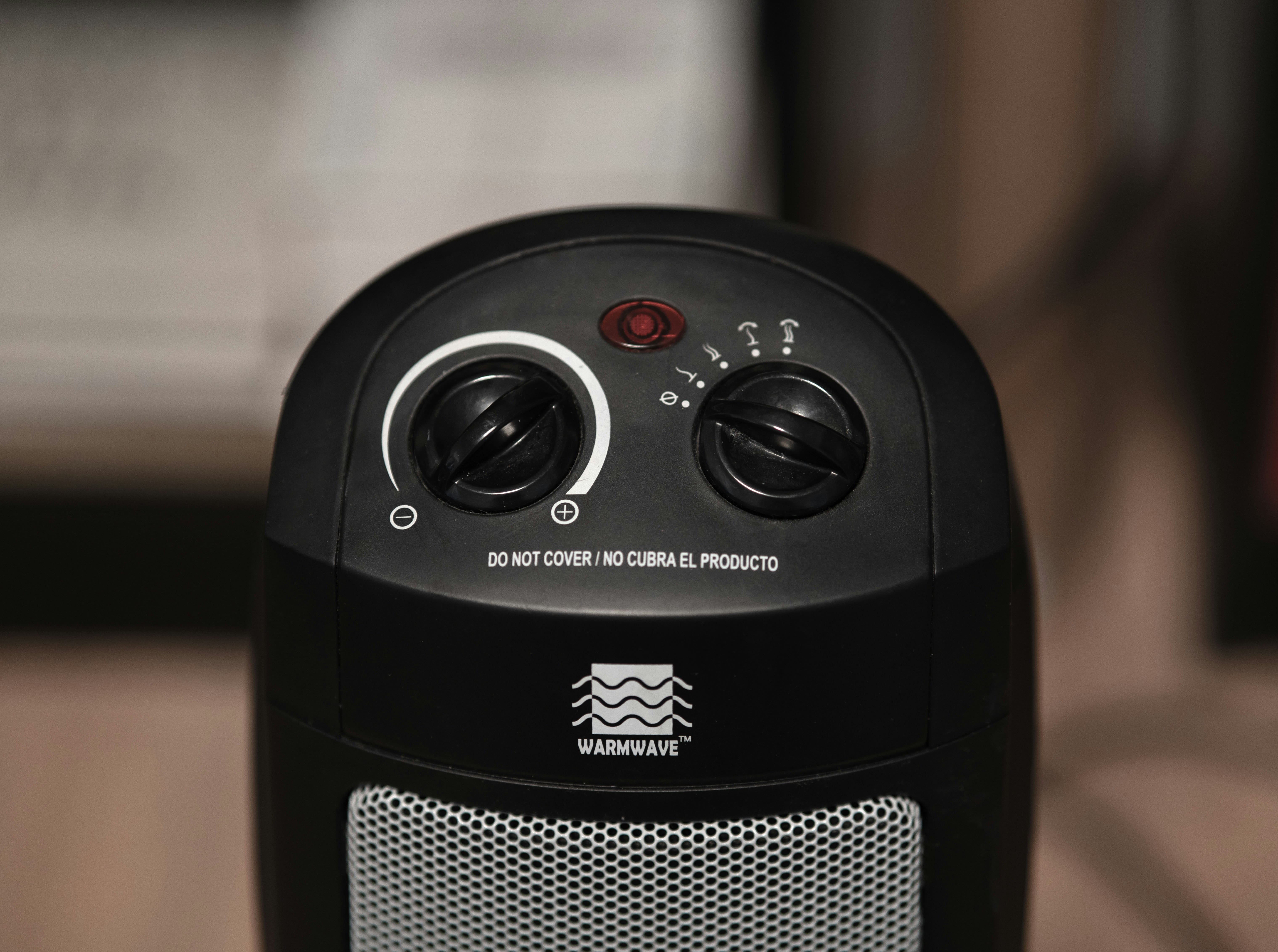
Heating Repair in Lynwood, CA
Keeping your heating system reliable during chilly nights in Lynwood, CA is about safety, comfort, and efficiency. Whether you heat with a gas furnace, heat pump, or hybrid system, prompt, professional heating repair addresses symptoms before they become dangerous or more expensive. This page explains common heating fault symptoms in Lynwood homes, step-by-step diagnostic procedures technicians use, typical repair solutions (ignition, blower, control board, gas line, heat exchanger), what to expect for parts and labor, response times for urgent calls, pricing and estimate practices, and the certifications your technician should hold.
Why timely heating repair matters in Lynwood, CA
Lynwood winters are mild but can include cool overnight temperatures that make heating essential for sleep and health, especially for homes with infants, seniors, or respiratory vulnerabilities. Older housing stock and multi family units in the area can hide deferred maintenance issues such as clogged vents, failed ignitors, or corrosion in gas components. Addressing problems quickly reduces risks like carbon monoxide exposure, energy waste, and premature system failure.
Common heating repair issues in Lynwood homes
- No heat or intermittent heat - Unit fails to start, cycles on and off, or runs without producing warm air. Common causes: faulty thermostat, ignition failure, or gas supply interruption.
- Ignition or pilot problems - Electronic igniters and hot surface ignitors wear out; pilot systems can be blocked or misaligned. Symptoms include clicking, repeated attempts to light, or a steady dead unit.
- Blower motor or airflow issues - Weak or no airflow, unusual rattling or humming, and overheating. Often caused by dirty filters, worn blower motors, capacitor failures, or blocked ducts.
- Control board or electrical faults - Unresponsive controls, error codes, smoke smell, or unsafe cycling. Failing control boards, loose wiring, or tripped breakers are typical.
- Gas line and pressure problems - Smell of gas, slow ignition, or weak flame. Could be a shutoff valve, regulator issue, or leak requiring immediate attention.
- Cracked heat exchanger or combustion defects - Reduced heat transfer, soot, or carbon monoxide risk. A cracked exchanger is a serious safety concern that often requires replacement.
- Strange noises or odors - Banging, squealing, or burning smells indicate mechanical or electrical issues that need inspection.
Step-by-step diagnostic process
Technicians follow a systematic diagnostic approach so repairs are accurate and safe:
- Initial safety check - Verify power, gas shutoffs, and alarms. Check for gas odor and make sure the area is ventilated.
- Thermostat and user-control verification - Confirm proper thermostat settings and compatibility. Swap or test with a known-good thermostat when needed.
- Visual inspection - Look for loose wiring, signs of heat damage, soot, corrosion, and filter condition.
- Electrical and component testing - Measure voltages, capacitor health, blower motor amp draw, and transformer output with calibrated tools.
- Ignition and combustion inspection - Observe ignitor operation, gas valve function, and burner flame quality. Check flame sensor and pilot or hot surface igniter performance.
- Airflow and duct assessment - Inspect filters, return vents, and ductwork for blockages and leaks.
- Gas pressure and leak testing - Use approved gauges and electronic leak detectors to verify safe pressure and absence of leaks.
- Heat exchanger check - Visual inspection and, when required, combustion analysis to detect cracks or inefficient combustion that can cause carbon monoxide.
- Diagnostic report and estimate - Present findings and a clear, written repair estimate that outlines parts, labor, and any required permits.
Typical repair solutions explained
- Ignition system replacement or cleaning - Replace failed hot surface ignitors or clean flame sensors to restore reliable starting.
- Blower motor repair or replacement - Rebuild or replace motors, replace capacitors, and balance or clean fan assemblies to restore airflow.
- Control board repairs - Replace failing circuit boards, relays, or sensors to eliminate error codes and restore safe sequencing.
- Gas valve and gas line repairs - Tighten, replace, or re-route valves and fittings as required; perform pressure tests and coordinate with local utility rules when needed.
- Heat exchanger replacement - When cracks or corrosion are found, the heat exchanger is typically replaced to eliminate carbon monoxide risk; this is a major repair due to labor and parts.
- Duct and airflow corrections - Seal leaks, add return paths, or recommend filter upgrades to improve efficiency and comfort.
Parts, labor expectations, and warranties
- Parts - Technicians typically use OEM or equivalent quality parts. Common parts like ignitors, capacitors, and sensors are often available same day; major components like heat exchangers may require ordering and a short wait.
- Labor - Simple repairs often take 1 to 3 hours. Complex jobs such as heat exchanger replacement or extensive gas-line work can take a full day or longer with inspections and permits.
- Warranties and documentation - Expect written estimates and documentation of parts and labor. Many repairs include a limited parts and labor warranty; check warranty length and what it covers.
Response times for urgent calls
- Emergency (gas smell, suspected CO, no heat during extreme conditions) - Typical local response window is within 2 to 4 hours for urgent safety issues. Immediate safety guidance includes evacuating, ventilating, and calling emergency services for confirmed gas leaks.
- Same-day repairs - Non life-safety failures are often handled same day when possible.
- Scheduled service - Routine diagnostics and repairs are commonly scheduled within 24 to 48 hours.
Pricing and estimate practices
- Upfront written estimates - After diagnostics, you should receive a clear written estimate that lists labor, parts, and any required permits.
- Diagnostic fee application - Diagnostic fees are commonly applied to the final repair if work is authorized.
- Transparent billing - Estimates differentiate between flat-rate common repairs and hourly labor for complex projects. Emergency visits may carry higher labor rates; these should be disclosed in the estimate.
- Permits and inspections - When work requires city permits or utility coordination, those costs are explained in the estimate and handled per local code.
Technician certifications and safety
Technicians serving Lynwood should be licensed and trained to current standards, including:
- California C-20 or equivalent licensed HVAC contractor credentials
- NATE certification or demonstrable HVAC expertise
- EPA 608 certification for systems with refrigerants when applicable
- Training in local gas code compliance and safe combustion testing
These credentials ensure technicians follow safety protocols, proper combustion analysis, and code-compliant repairs.
Preventive tips and lasting benefits
- Change filters regularly and schedule annual heating tune ups before fall to catch issues early.
- Install and maintain carbon monoxide detectors on every level of the home and test them monthly.
- Keep vents and returns clear, and address any unusual noises promptly.
- Timely repairs improve efficiency, lower utility bills, extend equipment life, and reduce safety risks.
Reliable heating repair in Lynwood, CA protects your household comfort and safety. Understanding common problems, the diagnostic process, expected repairs, and transparent estimate practices helps you make informed decisions when your heating system needs service.
Customer
Testimonials
Our customers consistently praise the exceptional service and professionalism of our team. They appreciate the honest advice, meticulous work, and the care taken to ensure their satisfaction.

.webp)
Service Areas
