

Heating Repair in La Crescenta-Montrose, CA

Professional heating repair services in La Crescenta-Montrose, CA provide homeowners with expert diagnostics, repair solutions, and preventive guidance for a variety of systems. Services cover common issues with heat pumps, gas furnaces, ductless units, and hybrid setups, distinguishing between emergency and routine maintenance. Technicians perform thorough on-site assessments, safety checks, and necessary parts replacements, adhering to industry standards and local codes. Transparent pricing, written estimates, warranties, and preventive tips help homeowners avoid future breakdowns while ensuring reliable, safe, and efficient heating performance.
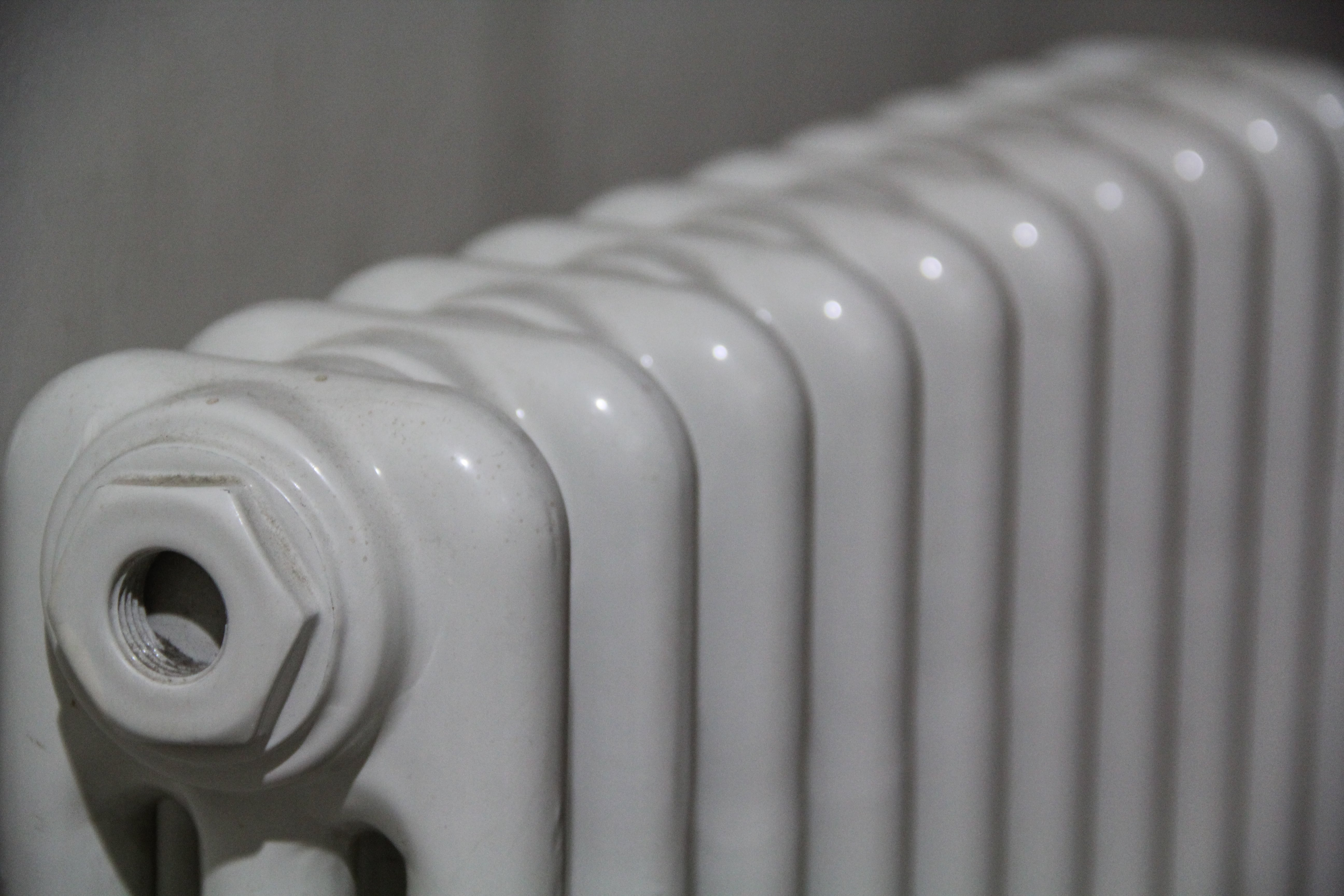
Heating Repair in La Crescenta-Montrose, CA
Keeping your heating system reliable is essential for comfort and safety in La Crescenta-Montrose, CA. Even though winters are milder here than in inland valleys, cool canyon nights, marine layer mornings, and occasional cold snaps make a functioning heater important for families, older residents, and anyone working from home. Timely heating repair prevents higher energy bills, reduces the risk of unsafe combustion byproducts, and extends the life of your system. This page explains what to expect from professional heating repair services in La Crescenta-Montrose, including emergency and routine repairs, common failure symptoms, on-site diagnostics, parts replacement, response expectations, technician qualifications, pricing transparency, and ways to avoid future breakdowns.
Common heating repair issues in La Crescenta-Montrose
Homes in this area have a mix of gas furnaces, electric furnaces, heat pumps, and hydronic systems. Typical problems local technicians see include:
- No heat or intermittent heating: Often caused by thermostat faults, pilot or ignition failures, or a failing control board.
- Weak airflow or uneven heating: Clogged filters, failing blower motors, closed or blocked vents, or duct leaks in older roofs and attics.
- Strange noises: Rattles, squeals, or banging generally point to loose components, belt wear, or failing motors.
- Frequent cycling or short cycling: Usually caused by overheating, airflow restrictions, or a malfunctioning thermostat.
- Unusual odors: Burnt dust after seasonal startup is normal briefly; persistent burning smells can indicate electrical issues or combustion problems.
- Pilot light or ignition problems (gas systems): Corrosion, gas valve issues, or dirty burners can prevent reliable ignition.
- Carbon monoxide and safety concerns: Cracked heat exchangers, venting problems, or blocked flues create hazard potential and require immediate attention.
- Reduced efficiency and rising bills: Worn parts, poor maintenance, or aging systems lead to higher energy consumption.
Emergency versus routine heating repair
- Emergency heating repair: Situations that affect safety or leave occupants without heat during cold nights qualify as emergencies. Examples include suspected carbon monoxide leaks, loss of heat in freezing conditions, or a furnace producing smoke or flames. Emergency repairs are typically prioritized and addressed as quickly as possible, often within hours depending on technician availability and conditions.
- Routine repairs and maintenance: Noncritical issues such as slow performance, minor noises, or scheduled tune-ups are handled on routine service windows. Expect scheduling within a few days to a week outside of peak season; during shoulder months, appointment windows often narrow.
On-site diagnostic procedures
A thorough, methodical diagnosis is the foundation of reliable repair. Typical on-site steps include:
- Initial safety check: Inspect for gas smells, visible damage, water leaks, unusual odors, and proper venting.
- Thermostat and control verification: Confirm settings, battery power, and communication with the system.
- Visual and mechanical inspection: Examine burners, heat exchanger, blower assembly, belts, filters, and access panels for obvious wear or damage.
- Electrical testing: Check voltage, fuses, relays, capacitors, and control boards for faults.
- Airflow and combustion testing: Measure airflow, inspect ductwork, and perform combustion analysis on gas units to ensure safe, efficient operation.
- System performance evaluation: Observe startup behavior, cycling patterns, and temperature differentials to identify root causes.
- Written findings and options: Provide a clear description of the issue, recommended repairs, parts required, and expected outcomes before any work begins.
Parts replacement and repair options
Common parts that may require replacement in local homes include:
- Igniters and pilot assemblies
- Flame sensors and gas valves
- Blower motors and belts
- Control boards and relays
- Heat exchangers (major repair or replacement)
- Air filters and air handler components
- Thermostats and zone controls
When deciding between repair and replacement, technicians consider the age of the system, cost of parts and labor, energy efficiency, and safety. Some components like heat exchangers or rusted burners often justify system replacement for safety and long-term value. Replaced parts should come with manufacturer or installer warranties documented in writing.
Technician qualifications and safety standards
Qualified heating technicians typically hold a combination of:
- State or local HVAC contractor license required for gas and electrical work
- Certification such as NATE or equivalent training credentials
- Ongoing factory training for specific brands and modern controls
- Background checks and professional insurance
- Competence in combustion analysis and carbon monoxide safety testing
Technicians should explain safety tests performed and provide documentation of any service or part replacement.
Pricing transparency and what to expect
Transparent pricing builds trust. Expect the following practices from a reliable provider:
- Clear diagnostic fee explanation and what it covers.
- Written estimates before major repairs, listing parts, labor, and any applicable warranties.
- Breakdown of charges such as parts cost and labor rates rather than bundled surprises.
- Explanation of options (repair, replace, interim fixes) with pros and cons for each choice.
- Warranty information for parts and labor, noted in writing.
This approach lets you compare options and make informed decisions without hidden terms.
Tips to avoid future breakdowns in La Crescenta-Montrose homes
Local climate and environmental factors make some preventive steps especially useful:
- Seasonal tune-up before the colder months: Have combustion safety checked for gas systems, clean burners, and inspect heat exchangers.
- Change or clean filters regularly: In areas prone to wildfire smoke or dust from canyon winds, replace filters more often to protect airflow and indoor air quality.
- Keep vents and registers clear: Furniture and curtains can block airflow, forcing systems to work harder.
- Use programmable or smart thermostats: Proper scheduling reduces wear from unnecessary runtime.
- Seal and insulate: Attic and duct insulation help systems maintain temperature without extra cycling during cool nights.
- Monitor for warning signs: Strange noises, uneven heating, or persistent odors warrant prompt inspection to avoid major failures.
- Install and test carbon monoxide detectors: Especially important for older gas-fired systems and intermittent combustion issues.
Prompt, professional heating repair in La Crescenta-Montrose, CA protects comfort, safety, and long-term value. A clear diagnostic process, transparent pricing, qualified technicians, and proactive maintenance reduce emergency calls and improve efficiency. Addressing small issues early — such as airflow restrictions, ignition faults, or minor electrical problems — prevents costly repairs and keeps your home comfortable through cooler canyon mornings and occasional cold spells.
Customer
Testimonials
Our customers consistently praise the exceptional service and professionalism of our team. They appreciate the honest advice, meticulous work, and the care taken to ensure their satisfaction.

.webp)
Service Areas
