

Heating Repair in Bell Gardens, CA

Heating repair services in Bell Gardens, CA provide reliable solutions for furnaces and heat pumps, addressing common failure symptoms and performing thorough on-site diagnostics. Typical repairs include issues with ignition, controls, blowers, and ductwork. Homeowners benefit from transparent pricing, clear response times, and warranties on parts and labor. Practical maintenance tips help prevent future breakdowns, while safety considerations and proper maintenance ensure long-term system reliability. This information helps homeowners understand the repair process, anticipate costs, and select qualified technicians with confidence.
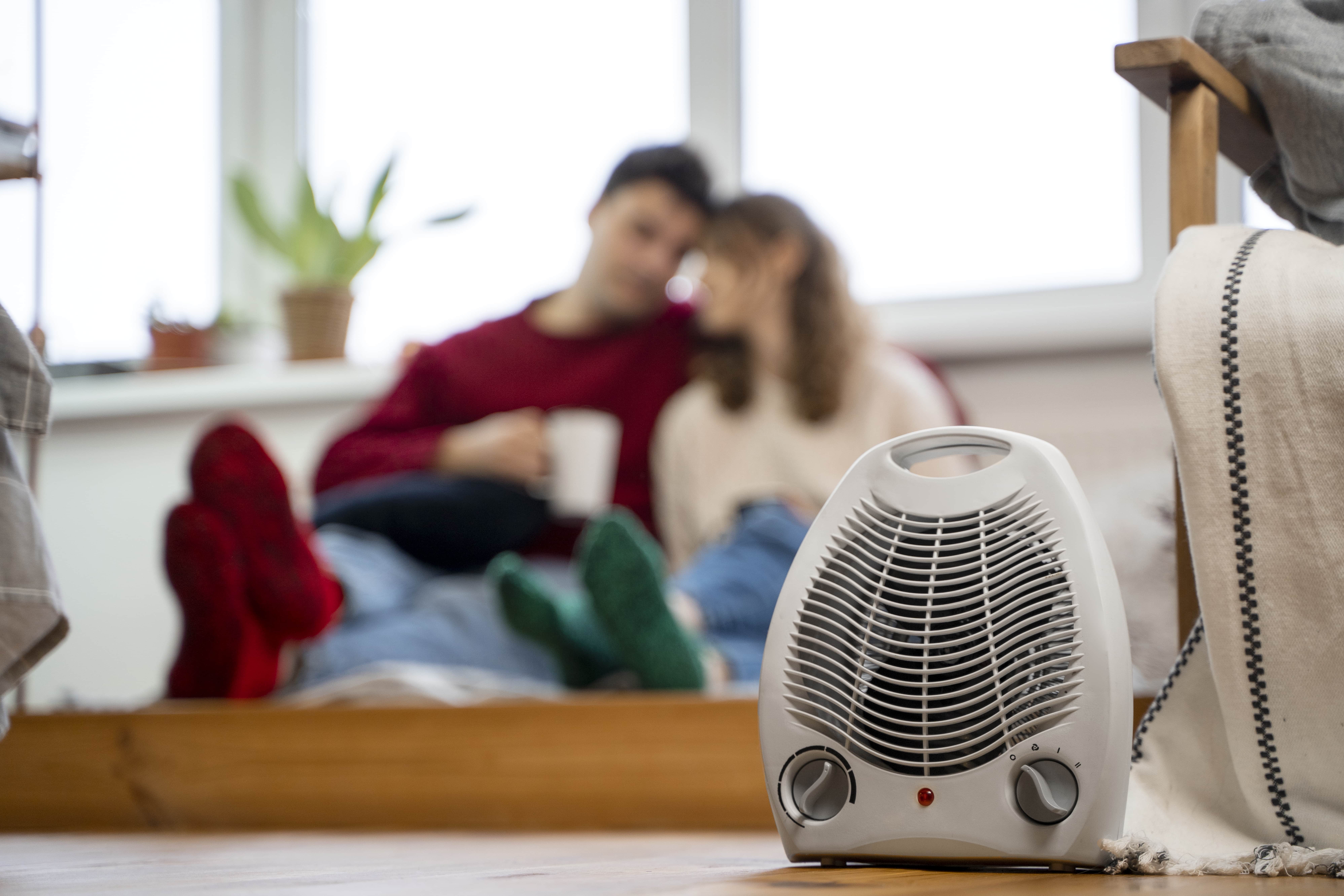
Heating Repair in Bell Gardens, CA
When your heating system fails on a chilly night in Bell Gardens, CA, you need clear answers, fast diagnostics, and dependable repairs. Heating repair in Bell Gardens requires attention to common regional factors—older housing stock, afternoon/overnight temperature drops, and dusty, smog-prone air—that can accelerate component wear and reduce system efficiency. This page explains common failure symptoms, the on-site diagnostic workflow, typical repair solutions (including ignition system fixes and controls), expected response timeframes, what transparent pricing looks like, warranty norms for parts and labor, and practical tips to avoid future breakdowns.
Common heating repair issues in Bell Gardens homes
Homes in Bell Gardens commonly experience these heating problems, which help pinpoint urgency and likely solutions:
- No heat at all — furnace or heat pump running but producing no warm air. Common causes: failed ignitor, pilot or ignition control fault, or loss of fuel/electrical supply.
- Insufficient heat / uneven heating — some rooms cold while others are warm. Often due to airflow restrictions (clogged filters, closed/blocked vents), failing blower motor, or duct leaks/insulation issues.
- Frequent cycling or short-cycling — system turns on and off too often, signaling thermostat, control board, or refrigerant issues (for heat pumps).
- Unusual noises or odors — rattling, banging, or burning smells can indicate failing motors, loose components, or overheating electrical parts. Persistent gas smells require immediate safety measures.
- High energy bills with less heat — reduced efficiency from dirty burners, failing heat exchanger, low refrigerant, or worn components.
- Pilot light or ignition problems — intermittent flames, clicking without ignition, or no pilot indicate ignition module, flame sensor, or gas valve concerns.
- Safety alerts — tripped limit switches, flame rollout, or a triggered carbon monoxide alarm require immediate evaluation.
On-site diagnostic procedures
A precise on-site diagnosis avoids unnecessary repairs. A typical diagnostic process for heating repair in Bell Gardens homes includes:
- Safety and system shutdown check — visual inspection for leaks, gas odor, and immediate hazards; verify carbon monoxide alarm status.
- Thermostat verification — confirm correct settings, battery and wiring integrity, and rule out control calibration issues.
- Airflow and filter inspection — check and measure filter condition, vent obstruction, and blower operation.
- Ignition and combustion analysis — evaluate pilot assembly or electronic ignitor, flame sensor, gas valve operation, and burner flame quality.
- Electrical and control diagnostics — test capacitors, relays, control board, and limit switches for faults or error codes.
- Heat exchanger and flue inspection — visual check for cracks, corrosion, or soot buildup that can compromise safety or efficiency.
- Heat pump refrigerant and compressor checks (if applicable) — measure pressures, inspect reversing valve and outdoor unit for proper operation.
- Ductwork and distribution assessment — look for leaks, insulation gaps, and poorly balanced registers that cause uneven heating.
Technicians document findings and provide a clear, prioritized list of recommended repairs with expected time and parts needed.
Typical repair solutions explained
Common, effective repairs performed after diagnosis include:
- Ignition system repairs: replace faulty hot surface ignitors, spark electrodes, flame sensors, or clean/reposition pilot assemblies to restore reliable starting.
- Control and electrical fixes: replace failing control boards, thermostats, relays, capacitors, or limit switches to eliminate erratic behavior and safety trips.
- Blower motor and airflow repairs: repair or replace blower motors, belts, and bearings; clean coils and replace filters to restore adequate airflow and efficiency.
- Component replacement: gas valves, burners, heat exchangers (when cracked, usually requires system replacement), and condensate drain repairs are standard fixes.
- Heat pump solutions: address refrigerant leaks, replace compressors or reversing valves, and repair defrost controls to restore heating mode performance.
- Duct and vent repairs: sealing leaks, adding insulation, or rebalancing registers to eliminate dead zones and improve comfort.
- Combustion and safety repairs: correcting venting issues, replacing corroded flues, and resolving any condition that could lead to carbon monoxide risk.
Most repairs are completed on-site within a few hours when common replacement parts are available.
Estimated response times and pricing transparency
In Bell Gardens, typical response expectations are:
- Emergency / safety-related issues (active carbon monoxide alarm, strong gas odor, or no heat in extreme conditions): same-day priority service, often within a few hours depending on availability.
- Standard heating repairs: many providers offer next-business-day or 24-48 hour visits for non-emergency diagnostics and repairs.
Transparent pricing in the heating repair process should include a clear diagnostic fee, an itemized estimate for parts and labor before work begins, and an explanation of any fees for after-hours or emergency calls. Estimates commonly show line-item costs (part name, quantity, labor hours) and an expected completion timeline so you understand what you are paying for and why.
Warranty on parts and labor
Typical warranty practices you should expect with professional heating repair:
- Manufacturer part warranties — many components carry manufacturer warranties that vary from 90 days to several years depending on the part.
- Labor warranty — standard labor warranties often range from 30 to 365 days, depending on the repair complexity and contractor policies.
- Warranty documentation — a good repair record will include written warranty terms for both parts and labor, including conditions that void coverage (lack of maintenance, improper use).
Always request written warranty information for each repair item to ensure clarity.
Tips to avoid future breakdowns in Bell Gardens
Maintaining reliable heating in Bell Gardens is about simple, regular care and some local adjustments:
- Annual tune-up before the cooler season — combustion tune, safety checks, and coil/blower cleaning extend life and maintain efficiency.
- Change filters regularly — dusty, smoggy air in the region means filters should be checked monthly during heavy use and replaced at least every 3 months or sooner.
- Keep outdoor units clear — for heat pumps and packaged units, remove debris, trim plants, and allow airflow around the unit to prevent strain.
- Seal and insulate ducts — older local homes often have leaky ducts; sealing and insulating reduces heat loss and improves evenness.
- Use programmable or smart thermostats — optimize schedules to reduce run-time without sacrificing comfort during cool nights.
- Install and maintain CO detectors — place detectors near sleeping areas and test batteries routinely for your family’s safety.
- Address small issues early — strange noises, increased cycling, or minor odors are often early warnings; prompt repair prevents larger failures.
Final notes on value and safety
Prompt, well-documented heating repair in Bell Gardens, CA reduces downtime, improves safety, and restores comfort with predictable costs. Addressing ignition, controls, and airflow issues early preserves equipment life and lowers energy costs—especially important in climates with wide day-night temperature swings. Regular maintenance and transparent repair practices are the best ways to keep your home warm, safe, and efficient through the cooler months.
Customer
Testimonials
Our customers consistently praise the exceptional service and professionalism of our team. They appreciate the honest advice, meticulous work, and the care taken to ensure their satisfaction.

.webp)
Service Areas
