

Heating Repair in Arcadia, CA

Plum HVAC provides prompt, professional on-site heating repair in Arcadia to keep your home warm, safe, and energy efficient. We address common problems like no heat, uneven temperatures, short cycling, ignition and airflow issues, and rising bills. Our disciplined diagnostic process, same-day repair workflows, and clear pricing expectations ensure you're always informed. We also cover emergency response, warranty considerations, preventative tips, and the many benefits of timely service in Arcadia’s climate, always emphasizing safety, comfort, and long-term system reliability with Plum HVAC.
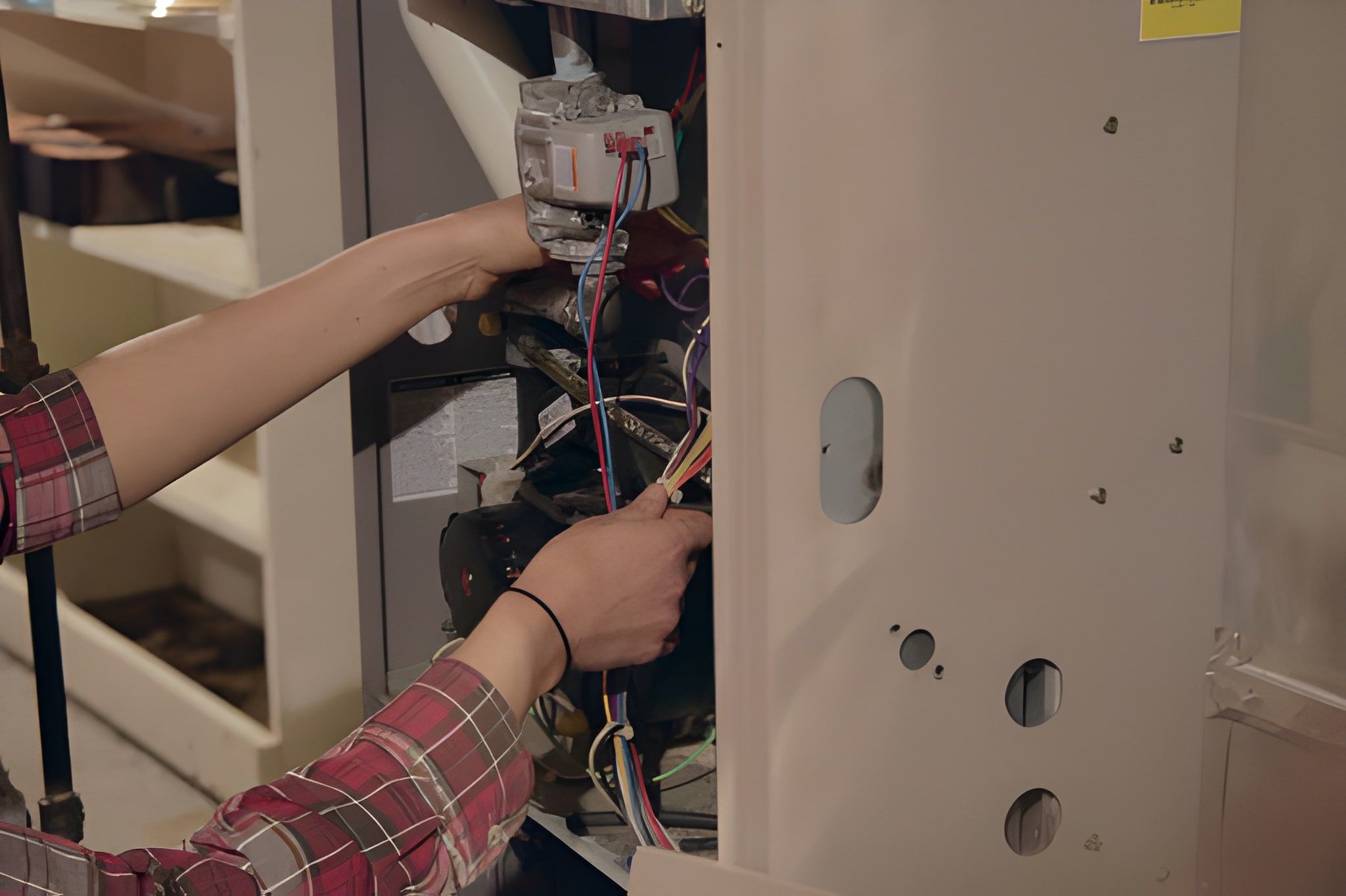
Heating Repair in Arcadia, CA
Keeping your home warm and safe during cooler months matters in Arcadia, CA, where winter nights can dip unexpectedly and older homes often rely on aging heating systems. Whether you have a gas furnace, heat pump, boiler, or ductless mini-split, prompt, professional heating repair stops small problems from becoming costly failures, restores comfort for your family, and reduces safety risks like carbon monoxide exposure.
Common heating problems in Arcadia homes
Residents in the San Gabriel Valley report consistent patterns of failure that a targeted repair service addresses efficiently:
- No heat or intermittent heating: system runs but delivers little or no warm air.
- Uneven temperatures or cold spots: one room gets warm while another stays cold.
- Short cycling: the system turns on and off frequently, which increases wear and energy use.
- Strange noises: banging, rattling, or squealing that indicate mechanical stress.
- Pilot light or ignition failure: common in older gas furnaces or boilers.
- Weak airflow: reduced blower performance, clogged ducts, or blocked vents.
- Rising energy bills: system inefficiency due to age, worn parts, or poor calibration.
- Odors or odd smells: burning smells, gas odor, or a musty scent that can indicate electrical or combustion issues.
- Safety concerns: carbon monoxide alarm triggers, gas smell, or visible leaks.
Local factors that influence failure rates include wildfire smoke reducing filter life, older home construction with outdated ductwork, and the increasing adoption of heat pumps that may need seasonal refrigerant and electrical checks.
How we diagnose heating problems on-site
A disciplined diagnostic process identifies the root cause quickly and avoids unnecessary parts replacement:
- Initial safety assessment: check for gas leaks, carbon monoxide levels, and electrical hazards.
- Visual inspection: examine burners, heat exchanger, pilot/ignition assembly, refrigerant lines, blower motor, belts, and visible ductwork.
- Thermostat and control checks: verify thermostat calibration, wiring, and control board operation.
- Airflow and duct evaluation: measure airflow, inspect filters, and look for blocked vents or disconnected ducts.
- Combustion and electrical testing: test ignition sequence, gas pressure, voltage, and amperage as appropriate.
- Refrigerant and pressure checks for heat pumps: check refrigerant levels and reversing valve function.
- System performance test: run a controlled cycle and record temperatures, pressures, and run times.
This step-by-step approach reduces guesswork and produces clear, explainable findings you can rely on.
Typical on-site repair workflow
When a repair is required, the on-site workflow follows a consistent, efficient sequence to get systems back online the same day when possible:
- Confirm problem and explain findings: share diagnosed issues in plain language and review repair options.
- Safety shutoff and preparation: isolate power and fuel where necessary before any repair work.
- Parts replacement or adjustment: replace worn components, tighten electrical connections, clean burners or heat exchanger surfaces, and restore proper refrigerant charge or combustion settings.
- System calibration: adjust thermostat settings, balance airflow, and verify proper cycling.
- Final testing: run multiple heating cycles to ensure stable operation and record performance metrics.
- Cleanup and documentation: leave the work area tidy and provide a clear record of parts replaced and tests performed.
For many common repairs such as igniter replacement, capacitor and relay work, thermostat swaps, blower motor service, or refrigerant top-off for heat pumps, same-day resolution is frequently achievable depending on part availability.
Parts, labor, and warranty considerations
Repair work uses a mix of OEM and high-quality aftermarket parts depending on system age and availability. Common components replaced include:
- Igniters or pilot assemblies
- Thermostats and control boards
- Capacitors, relays, and contactors
- Blower motors and belts
- Heat exchangers and flame sensors
- Reversing valves and compressors for heat pumps
- Zone control valves for hydronic systems
Labor is charged based on the complexity of the repair and the time required for safe, thorough work. Parts often carry manufacturer or installer warranties; installation labor may carry a separate warranty period. Before proceeding, expect a clear explanation of warranty coverage for both parts and labor so you understand protection after the repair.
Emergency and same-day heating response
Arcadia experiences occasional cold snaps and conditions—such as poor air quality from regional wildfires—that make immediate heating repairs a priority. Emergency scenarios that justify expedited response include:
- Complete loss of heat during low temperatures, especially for households with elderly residents or infants
- Confirmed or suspected gas leaks or carbon monoxide alarms
- Electrical faults that present a fire risk
- Systems that have ceased operation due to mechanical failure and present safety or health hazards
In emergency situations, basic stabilization measures can be performed on-site, followed by prioritized parts sourcing and repair to restore safe, reliable operation.
Transparent pricing estimates and decision factors
Rather than presenting a single price, transparent estimates explain the cost drivers so you can decide confidently:
- Diagnostic fee structure: one-time fee for a thorough inspection and testing, applied toward repairs if completed.
- Labor basis: some repairs are billed as flat-rate jobs while others are hourly due to unpredictable complexity.
- Parts pricing: depends on OEM versus aftermarket selection and parts availability.
- Scope of repair versus replacement: comparing the cost and expected life of a repaired component to the cost and efficiency gains of a replacement system.
- Safety-related work: certain safety repairs, such as heat exchanger replacement or carbon monoxide mitigation, require prioritized, comprehensive fixes.
You should receive a written estimate that lists each recommended repair, parts to be used, labor approach, and expected outcomes without hidden fees.
Preventative tips to avoid future breakdowns
Simple maintenance and seasonal checks reduce the chance of breakdowns in Arcadia homes:
- Replace or clean filters regularly, especially after wildfire smoke events.
- Schedule annual heating tune-ups before the cooler season to inspect combustion, electrical, and airflow systems.
- Keep vents, ducts, and registers unobstructed and consider duct sealing for older homes.
- Maintain proper thermostat settings and upgrade to a programmable or smart thermostat for improved efficiency.
- Install and test carbon monoxide detectors on each floor to detect leaks early.
- Consider upgrading aging systems to higher-efficiency heat pumps or furnaces if repairs are frequent.
Benefits of timely heating repair in Arcadia
Addressing heating problems quickly restores comfort, protects indoor air quality, reduces energy waste, and prevents more costly breakdowns down the road. Proper diagnostics and repairs also preserve system safety and extend equipment life in homes across Arcadia, where varied housing stock and local environmental factors can accelerate wear. Following a straightforward inspection, an informed repair decision delivers predictable performance and greater peace of mind during cooler months.
Customer
Testimonials
Our customers consistently praise the exceptional service and professionalism of our team. They appreciate the honest advice, meticulous work, and the care taken to ensure their satisfaction.

.webp)
Service Areas
