

Heating Maintenance in Valley Village, CA

Heating maintenance in Valley Village offers a proactive, ongoing program designed to keep furnaces and heat pumps safe, efficient, and dependable. Regular preventive visits focus on clean burners, calibrated thermostats, sealed ducts, and documented service history, with prioritized scheduling and parts management to reduce downtime. The plan covers enrollment options, flexible reminders, and transparent reporting, helping homeowners lower long-term costs, prevent emergency repairs, and maintain comfortable indoor temperatures throughout Valley Village's variable winters. Join a plan today for ongoing care and peace of mind.
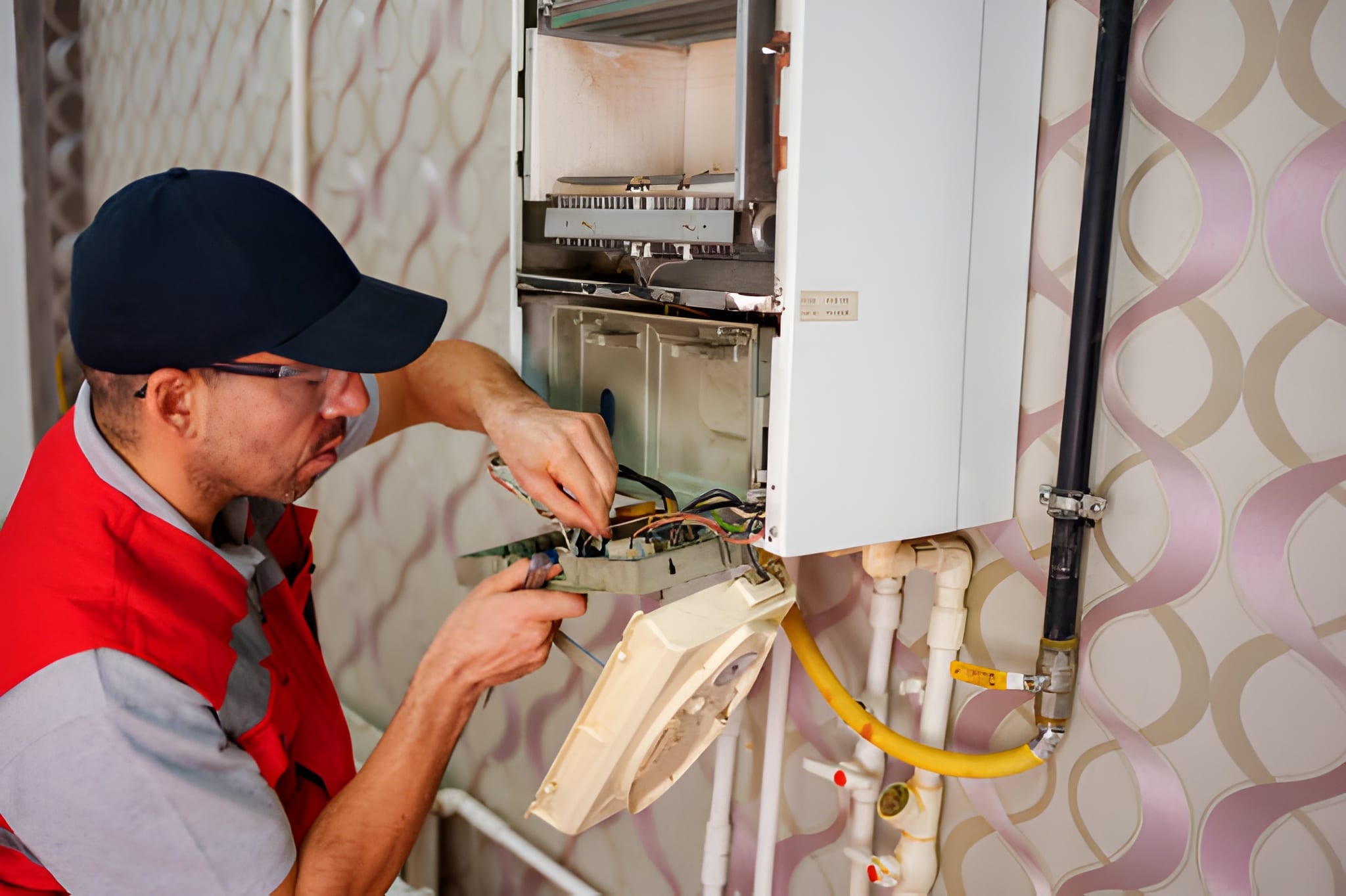
Why regular heating maintenance matters in Valley Village
Valley Village homes face a mix of conditions that affect heating equipment:
- Dry seasons and frequent dust buildup increase filter clogging and reduce airflow.
- Occasional cold snaps mean systems that sit unused for months must perform reliably when needed.
- Older California homes often have legacy ductwork or undersized equipment that benefits from calibration and sealing.Regular maintenance addresses safety concerns (carbon monoxide risk in gas systems), restores design efficiency, and reduces costly emergency repairs during the colder months.
Common heating maintenance issues in Valley Village homes
Understanding the typical problems helps prioritize the right preventive tasks:
- Dirty or overloaded air filters from dust and seasonal pollen, reducing airflow and forcing the blower to work harder.
- Duct leaks, poor returns, and insulation loss in older homes leading to uneven heating and higher energy use.
- Ignition or pilot failures and burner deposits in gas furnaces due to infrequent use.
- Thermostat miscalibration causing short cycling or inefficient run patterns.
- Blower motor wear, noisy bearings, and belt slippage from age and debris.
- Refrigerant leaks and reduced capacity in heat pumps, especially in mixed-use systems that handle both heating and cooling.
- Condensate drain clogs or standing water in systems with secondary drains.Addressing these issues in routine visits reduces emergency failures and keeps systems ready for the occasional cold nights Valley Village can produce.
What a scheduled preventive visit includes
A thorough preventive inspection and tune-up focuses on safety, performance, and documentation. Typical checklist items include:
- Visual inspection of unit, cabinet, filters, and accessible ductwork
- Replace or clean air filter per manufacturer recommendations
- Check and tighten electrical connections; test safety controls and limit switches
- Inspect and clean burners, ignition system, and combustion chamber (for gas systems)
- Test for proper combustion and carbon monoxide where applicable
- Lubricate motors and fan bearings; inspect blower wheel and belts
- Verify thermostat operation and recalibrate if needed
- Measure airflow, refrigerant pressures (heat pumps), and static pressure in ducts
- Clear condensate lines and inspect drains for clogs or leaks
- Check flue and venting for blockages and deterioration
- Document findings, recommended repairs, and parts used; update service historyMembers receive scheduled reminders and a consistent checklist so each visit builds on the last, creating a reliable maintenance record.
Replacement parts management and service history
One advantage of an organized maintenance program is systematic parts management and record-keeping:
- Common wear parts (filters, belts, sensors, igniters) are monitored and replaced proactively.
- A parts inventory strategy helps reduce downtime by ensuring frequently needed components are on hand or quickly sourced.
- Detailed service histories are recorded, including dates, parts replaced, performance metrics, and recommendations—useful for warranty claims, future troubleshooting, and tracking system health over time.For Valley Village homeowners, these records are especially valuable when older equipment is being evaluated for replacement or when moving into homes with undocumented maintenance histories.
Energy and lifespan benefits of regular maintenance
Routine heating maintenance delivers measurable homeowner benefits:
- Improved system efficiency: clean burners, correct refrigerant charge, and unrestricted airflow allow equipment to operate closer to design efficiency, lowering energy consumption during heating cycles.
- Extended equipment life: proactive servicing reduces stress on motors, compressors, and burners, often adding several years to the useful life of a system.
- Fewer emergency repairs: catching small issues early avoids costly failures that often occur at inconvenient times.
- Better indoor comfort and air quality: sealed ducts, calibrated thermostats, and fresh filters reduce dust and help maintain even temperatures throughout the home.In Valley Village, where energy usage and indoor air quality are concerns, these gains translate to a more comfortable, economical household.
Priority service and member discounts
Ongoing maintenance programs designed for decision-stage customers frequently include member benefits tailored to local needs:
- Priority scheduling during peak periods (cold snaps and early winter), reducing wait times when systems fail.
- Discounted labor rates and preferred pricing on parts to lower the total cost of ownership.
- Seasonal reminders and automatic scheduling to ensure service happens before heavy-use seasons.These features are particularly valuable in neighborhoods with older equipment or during weather events when many households need service simultaneously.
Maintenance frequency recommendations for Valley Village
A practical schedule aligned with local climate and equipment types:
- Annual comprehensive heating tune-up each fall for furnaces and heat pumps before the cooler months.
- Heat pump systems: inspect both heating and cooling functions at least twice per year (spring and fall).
- Air filter checks: every 1–3 months depending on filter type, household pets, and dust levels common to the San Fernando Valley.
- Duct inspection and sealing: every 3–5 years or sooner if performance issues arise.Adhering to this cadence reduces surprises and preserves system efficiency.
How enrollment in a maintenance plan typically works
Enrollment is structured to make ongoing care predictable and documented:
- Choose a plan level based on equipment type and desired coverage (basic tune-up, comprehensive, or multi-system).
- Schedule an initial inspection to create a baseline report and address immediate safety or efficiency issues.
- Set up account-based reminders and a digital service history that tracks visits, parts, and recommendations.
- Establish priority appointment preferences and parts stocking options if frequent repairs are expected.This straightforward process provides budgetable, consistent care for Valley Village homes while protecting system performance and safety.
Regular heating maintenance tailored for Valley Village conditions keeps systems safe, efficient, and ready when temperatures dip. A structured preventive program with parts management, persistent record-keeping, and priority service reduces downtime, lowers long-term costs, and improves comfort and indoor air quality for your home.
Customer
Testimonials
Our customers consistently praise the exceptional service and professionalism of our team. They appreciate the honest advice, meticulous work, and the care taken to ensure their satisfaction.

.webp)
Service Areas
