

Heating Maintenance in Sherman Oaks, CA

Heating maintenance in Sherman Oaks, CA offers a proactive approach to reliability, efficiency, and safety for homes and businesses. The program bundles inspections, cleaning, filter checks, part wear assessments, thermostat calibration, and safety testing to prevent breakdowns and extend equipment life. Regular scheduling minimizes emergency calls, lowers energy use, and protects indoor air quality. Services differentiate residential and commercial plans, with add-ons like duct cleaning and IAQ upgrades, and clear terms for renewal, priority service, and documentation.
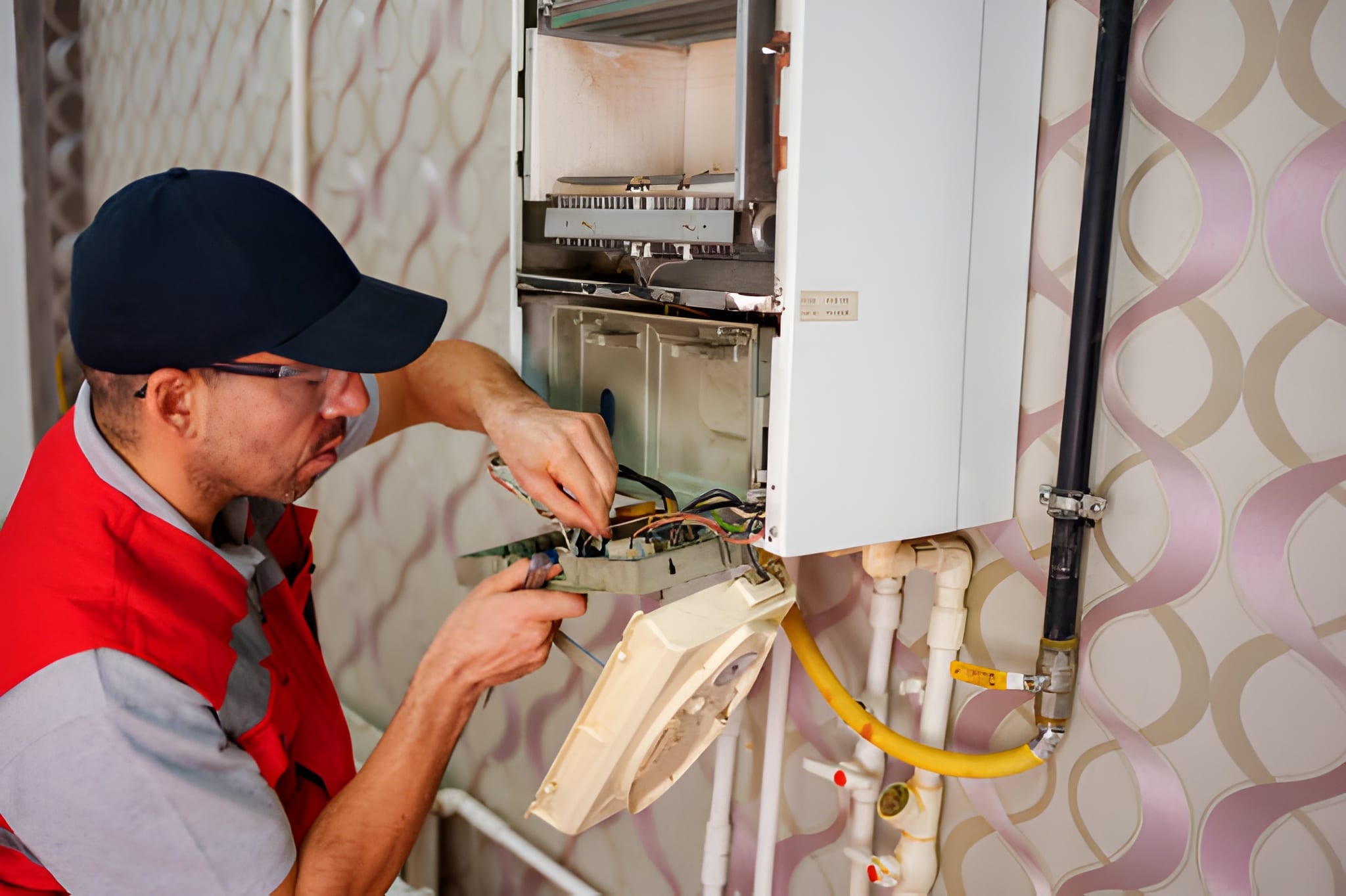
Why preventative heating maintenance matters in Sherman Oaks, CA
- Local dust and seasonal smoke increase filter and duct loading, which reduces airflow and system efficiency.
- Older homes in Sherman Oaks often have legacy ductwork or attic-run systems that benefit from regular inspection and sealing.
- Irregular seasonal use and occasional cold snaps mean neglected systems can fail when demand suddenly increases.
- Preventative plans address safety risks such as gas leaks, cracked heat exchangers, and CO risks before they become critical.
Regular maintenance protects comfort, indoor air quality, and safety while lowering the total cost of ownership for your heating equipment.
What a comprehensive heating maintenance plan includes
A well-designed preventative plan for Heating Maintenance in Sherman Oaks, CA typically bundles these core services:
- Annual or seasonal inspections: Complete system evaluation before the heating season to ensure burners, ignition, heat exchanger, flue, and controls are functioning.
- Cleaning and tune-up: Removal of dust and buildup from burners, burners’ ports, blower assemblies, and condensate lines to restore proper combustion and airflow.
- Filter and airflow checks: Assessment of filter condition and duct airflow; recommendations for filter replacement frequency based on local dust and smoke exposure.
- Parts and wear checks: Visual and operational checks of belts, motors, bearings, electrical connections, and safety switches; tightening or minor adjustments as needed.
- Thermostat calibration: Verify accurate temperature control and program settings to avoid unnecessary cycling and energy waste.
- Carbon monoxide and safety testing: Leak and combustion testing to ensure safe operation, especially important for natural gas systems in older Sherman Oaks buildings.
- Priority service and scheduling: Enrollees typically receive expedited scheduling during cold snaps and seasonal demand peaks.
- Maintenance documentation: Clear service records and recommended next steps for long-term care.
Typical maintenance schedule and frequency
- Residential systems: At minimum, one comprehensive inspection and tune-up each year, ideally in early fall before increased heating use. Homes with significant dust, pet hair, or wildfire smoke exposure may benefit from semiannual visits. Filter checks every 1 to 3 months depending on conditions.
- Commercial systems: Commercial HVAC systems should have at least two scheduled maintenance visits per year because of heavier duty cycles and more complex controls. High-occupancy or retail spaces may require more frequent inspections.
- High-risk systems: Older furnaces, systems with known past issues, or properties with long dormant periods should be evaluated on a more frequent basis to avoid sudden failures.
Common heating maintenance issues in Sherman Oaks and how routine care prevents them
- Restricted airflow from dust and dune particulate: Regular filter replacement and duct inspections prevent strain on blowers and improve comfort.
- Ignition or pilot failures: Cleaning ignition components and checking gas pressure reduces no-heat calls.
- Inefficient combustion and elevated bills: Burner cleaning and combustion adjustment restore efficiency and reduce fuel use.
- Safety hazards: Heat exchanger cracks and flue obstructions are identified during routine safety testing, reducing carbon monoxide risk.
- Short cycling and poor thermostat response: Calibration and control checks minimize wear from excessive cycling.
Customized plans: residential versus commercial
Residential maintenance programs in Sherman Oaks typically emphasize indoor air quality, filter management, and seasonal tune-ups for forced-air furnaces or heat pumps. Plans are sized to the household’s occupancy patterns, pets, attic insulation, and proximity to sources of dust or smoke.
Commercial programs prioritize uptime, compliance with building codes, and system redundancy. They include more frequent performance monitoring, detailed control system checks, priority dispatching during business hours, and coordination for after-hours service to reduce operational disruption.
Both plan types can be structured with options for add-ons such as duct cleaning, IAQ upgrades (UV lights, higher MERV filters), or extended parts coverage.
Service agreement terms to expect
Typical terms found in heating maintenance agreements for Sherman Oaks, CA include:
- Contract length and renewal: One-year renewable agreements are standard; multiyear options may be available.
- Included visits and scope: Clear definition of the number of tune-ups, what each inspection covers, and any seasonal limits.
- Labor versus parts: Agreements often cover labor for scheduled maintenance; parts and major repairs may be excluded or offered at a discounted rate.
- Priority response: Details on expedited scheduling and service windows during high-demand periods.
- Cancellation and transferability: Terms outlining cancellation notice, refunds, and whether the agreement transfers to a new property owner.
- Record keeping: Issued maintenance records for insurance or warranty compliance, and clear processes for reporting issues arising between visits.
Understanding these terms up front ensures the agreement matches operational needs and budget expectations.
Cost savings and return on preventive care
Preventative heating maintenance in Sherman Oaks reduces the risk of emergency breakdowns, prolongs equipment life, and maintains system efficiency. Regular maintenance typically results in:
- Lower energy use due to optimized combustion and airflow.
- Reduced frequency and cost of emergency repairs through early detection of small issues.
- Delayed capital expenditures by extending useful equipment life.
- Better indoor air quality which can reduce indirect costs related to occupant health and productivity in commercial settings.
While exact savings vary by system age and usage, maintenance is widely recognized as a cost-effective approach to managing long-term HVAC expenses.
How enrollment and onboarding generally work
Enrolling in a heating maintenance program usually follows a straightforward sequence:
- Select the plan type that best fits the property: residential or commercial, number of annual visits, and any add-ons like duct cleaning.
- Schedule an initial inspection so a technician can confirm system condition and finalize scope.
- Sign the service agreement, which outlines visits, inclusions, exclusions, and priority benefits.
- Set the maintenance calendar with agreed times for annual or seasonal tune-ups and filter reminders.
- Receive documentation of the initial inspection and keep ongoing service records for warranty and resale value.
Enrollment processes can be adapted for properties with multiple systems or specific operational needs.
Final considerations for Sherman Oaks properties
Sherman Oaks homeowners and facility managers benefit from a maintenance program that accounts for local air quality, seasonal wildfire smoke, and the valley environment. A customized, documented preventative plan reduces surprises, supports system warranties, and maintains comfort when temperatures swing. Regular care is the most reliable way to preserve performance, improve safety, and manage long-term heating costs in Sherman Oaks, CA.
Customer
Testimonials
Our customers consistently praise the exceptional service and professionalism of our team. They appreciate the honest advice, meticulous work, and the care taken to ensure their satisfaction.

.webp)
Service Areas
