

Heating Maintenance in San Juan Capistrano, CA

This page outlines a regionally tailored heating maintenance program for San Juan Capistrano homes, detailing what a preventive visit covers, common local issues, and how membership plans simplify ongoing care. It explains the importance of regular inspections to address coastal corrosion, dusty filters, duct leaks, and aging ductwork, while offering structured checklists, safety tests, and performance diagnostics. Readers learn how planned maintenance improves efficiency, extends equipment life, preserves warranties, and delivers predictable, long-term cost savings. For homeowners seeking reliable service.
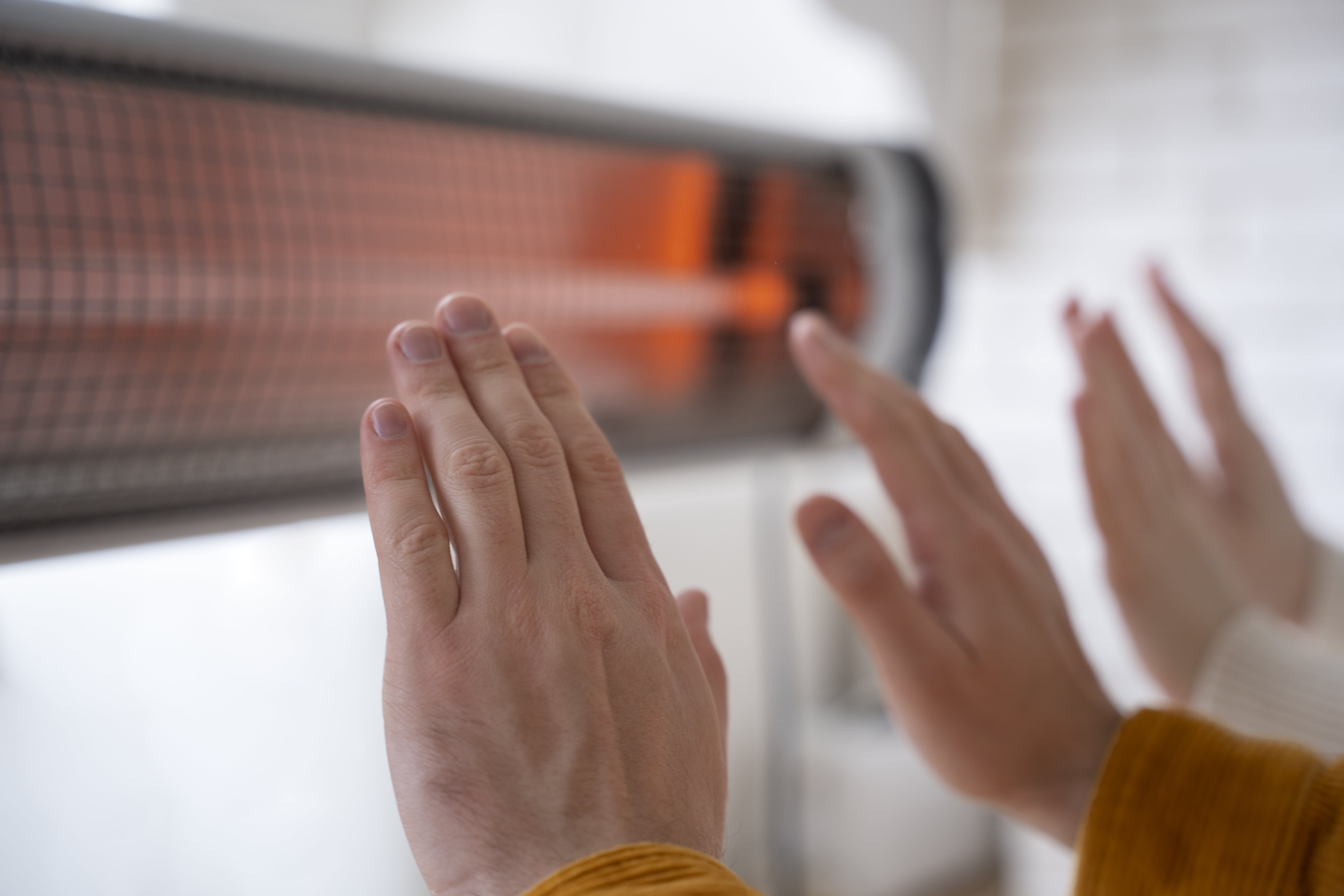
Why preventive heating maintenance matters in San Juan Capistrano
San Juan Capistrano’s Mediterranean climate brings mild winters with chilly evenings and occasional cold snaps. Local factors that affect heating equipment include:
- Coastal salt air that can accelerate corrosion on outdoor components and flue connections.
- Seasonal wildfire smoke and dust that clog filters and reduce indoor air quality.
- Older homes with historic architecture and dated ductwork that need tailored attention.
- Intermittent use of heating systems that can hide developing problems until they become urgent.
Regular maintenance addresses these regional stressors, preserving efficiency and safety while extending equipment life.
Typical heating systems and common issues in the area
Most homes here use gas furnaces, heat pumps, or electric furnaces/heaters. Common maintenance issues in San Juan Capistrano include:
- Clogged filters and reduced airflow from smoke, coastal dust, or pet hair
- Corroded outdoor components and exhaust flues due to salt-laden air
- Incomplete combustion or cracked heat exchangers in older gas furnaces
- Refrigerant or compressor issues in heat pumps after prolonged summer use
- Thermostat drift or sensor problems leading to uneven comfort
- Duct leaks or insulation gaps in attics and crawlspaces typical of older houses
Understanding these typical problems helps define a preventive program that targets what matters locally.
What a preventive heating maintenance program includes
A properly designed maintenance visit follows a consistent checklist so small issues are caught early. Typical tasks included in scheduled heating maintenance are:
- Visual system assessment and parameter checks
- Filter inspection and replacement or recommendations for filter upgrades
- Cleaning of burners, flame sensors, heat exchangers, and blower housings
- Safety inspections: carbon monoxide testing, gas leak checks, combustion analysis, and flue integrity
- Electrical checks: wiring, contacts, relays, and capacitors
- Mechanical adjustments: belt tension, blower alignment, damper function
- Thermostat calibration and control verification
- Heat pump-specific checks: refrigerant levels, reversing valve, defrost cycle if applicable
- Condensate drain and pan inspection for high-efficiency systems
- Ductwork assessment for visible leaks, insulation issues, and airflow balance
- Documentation of findings, recommended repairs, and efficiency metrics
Each visit is documented so you have a clear maintenance history for warranty compliance and resale value.
How membership plans and scheduled visits work
Membership or maintenance plans are structured to simplify ongoing care and prioritize your system’s health. Typical plan features include:
- Scheduled seasonal visits (commonly once or twice per year) timed to prepare systems for the heating or cooling season
- Priority service benefits, such as faster dispatch during peak demand times and shorter wait windows for repairs
- Comprehensive inspection checklists guaranteed for each visit
- Detailed record-keeping, usually provided as digital reports that track past work, part replacements, and efficiency readings
- Customized maintenance agreements that adapt frequency and tasks to your home type, system age, and usage patterns
Customized plans are especially useful in San Juan Capistrano for older homes, heat pump systems, or properties frequently affected by coastal exposure or wildfire smoke.
Diagnostic approach and common repair solutions
During a maintenance visit, the technician runs diagnostics to identify current and emerging problems. The approach focuses on safety, efficiency, and preventing downtime:
- Safety diagnostics: carbon monoxide testing, combustion efficiency, and flue inspections detect hazardous conditions early.
- Performance diagnostics: airflow measurement, temperature split checks, and electrical load testing reveal inefficiencies.
- Component diagnostics: examining burners, heat exchangers, capacitors, and motors to identify wear before failure.
Common repair solutions uncovered during diagnostics often include:
- Replacing filters and cleaning coils or burners to restore airflow and efficiency
- Sealing duct leaks and insulating ducts in attics to improve heat distribution
- Repairing or replacing failed capacitors, relays, or motors to stop intermittent failures
- Addressing refrigerant leaks or compressor issues on heat pumps
- Repairing flue seals or replacing corroded vent components for safe venting
Timely repairs after maintenance diagnostics typically cost less than emergency breakdown fixes and reduce the risk of secondary damage.
Measurable benefits and cost savings over time
A preventive heating maintenance program yields both safety and economic benefits:
- Lower energy bills through restored efficiency and correct airflow
- Reduced emergency repairs because small issues are repaired before they escalate
- Extended equipment life—regular upkeep delays major component replacement
- Maintained manufacturer warranties by keeping documented service records
- Improved indoor air quality with proper filtration and duct care, important during wildfire season
Over a multi-year period, homeowners often see reduced total cost of ownership for heating equipment compared with reactive service models.
Choosing a customized maintenance agreement for your home
Custom agreements tailor inspection frequency and scope to factors such as system type, age, local exposure, and household needs:
- Older furnaces or homes with antiquated ductwork may benefit from biannual visits and more intensive duct inspections.
- Heat pumps and hybrid systems typically require spring and fall checks to cover both cooling and heating workloads.
- Homes near the coast should include corrosion-prone component checks and more frequent outdoor unit inspections.
- Residences affected by seasonal wildfire smoke may need more frequent filter changes and indoor air quality checks.
A well-matched agreement balances thorough protection with predictable scheduling and consistent record-keeping.
Practical homeowner tips and signs you need maintenance now
Simple actions between professional visits can preserve system performance:
- Replace or clean filters monthly during heavy use months; use higher-MERV filters if compatible
- Keep vents and returns unobstructed and clear of dust
- Note unusual signs: uneven rooms, frequent cycling, rising heating bills, strange odors, banging noises, or a yellow pilot light—these indicate a need for inspection
- Record basic observations such as thermostat behavior and runtime patterns to share during maintenance visits
Regular maintenance plus attentive homeowner care keeps systems safer, cleaner, and more efficient.
A structured, regionally aware heating maintenance program in San Juan Capistrano, CA minimizes disruption, improves safety, and protects long-term value. Scheduled visits, comprehensive safety inspections, prioritized service benefits, and detailed record-keeping are core components of effective maintenance plans. Tailoring agreements to local climate influences—coastal corrosion, wildfire smoke exposure, and older home construction—ensures maintenance addresses the issues San Juan Capistrano homeowners face most often. Regular preventive care is the most reliable path to consistent comfort, lower operating costs, and extended equipment life.
Customer
Testimonials
Our customers consistently praise the exceptional service and professionalism of our team. They appreciate the honest advice, meticulous work, and the care taken to ensure their satisfaction.

.webp)
Service Areas
