

Heating Maintenance in Pomona, CA

Heating maintenance in Pomona, CA keeps furnaces, heat pumps, and packaged systems operating safely and efficiently through scheduled inspections and preventive service. The program includes priority scheduling, discounted parts, detailed service records, and solutions for common local issues such as airflow restrictions, ignition faults, condensate buildup, and duct leaks. Each visit follows a structured diagnostic process to maintain reliability and performance. With proper enrollment, routine visits, and maintenance best practices, Pomona homeowners can extend system life, protect warranties, and reduce energy costs year-round.
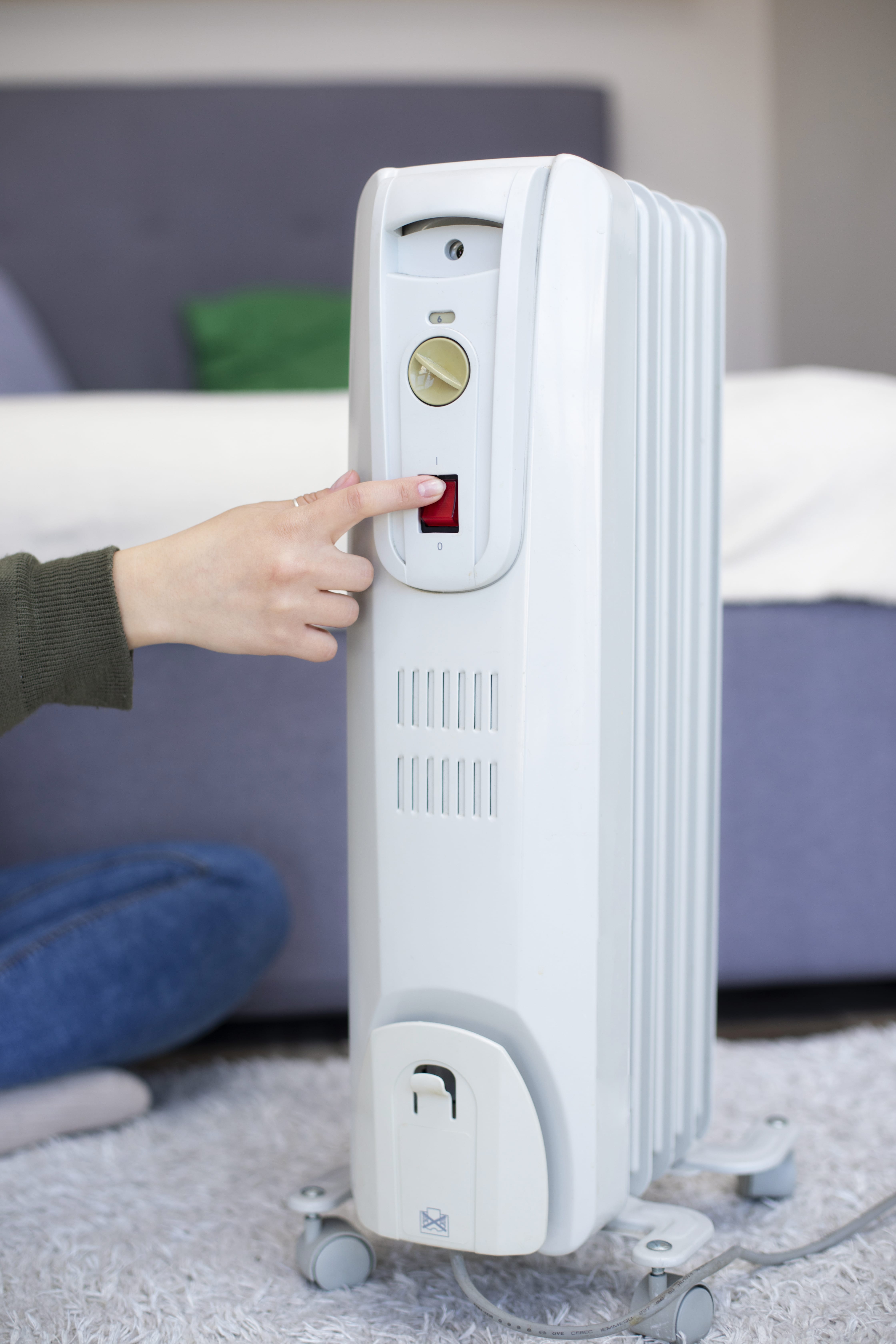
Heating Maintenance in Pomona, CA
Keeping your heating system reliable and efficient is essential for comfort and safety in Pomona, CA. Whether you have a natural gas furnace, a heat pump, or a packaged system, a structured heating maintenance program reduces breakdowns, cuts energy bills, and extends equipment life. This page explains what comprehensive heating maintenance in Pomona includes, common local issues, the step-by-step maintenance process, preventive repairs covered by service agreements, the value of maintenance logs and priority service, and how enrollment and recurring visits typically work.
Why heating maintenance matters for Pomona homes
Pomona’s climate—hot summers and mild but occasionally chilly winters—means heating systems are used seasonally but must perform reliably when temperatures drop overnight or during cold snaps. Local factors that make regular maintenance particularly important include:
- Wildfire smoke and increased airborne particulates that clog filters and reduce airflow
- Seasonal temperature swings and Santa Ana winds that stress ventilation and combustion systems
- A mix of older single-family homes and newer construction using different heating technologies (gas furnaces, heat pumps, packaged units)
- Manufacturer warranty requirements that often mandate annual service
Regular maintenance ensures your system operates efficiently, reduces the risk of mid-winter failures, and keeps indoor air quality better—especially important after smoky conditions.
Common heating maintenance issues in Pomona
- Dirty or clogged air filters and ductwork, reducing airflow and efficiency
- Weak or inconsistent heat due to thermostat miscalibration or blocked registers
- Ignition problems and pilot or electronic ignition failures on gas furnaces
- Worn blower motors, belts, or bearings causing noise and reduced performance
- Cracked heat exchangers or flue issues in older furnaces (safety concern)
- Refrigerant or compressor problems on heat pumps, especially after long idle periods
- Condensate drain clogs on high-efficiency systems leading to shutdowns or water damage
Addressing these issues proactively prevents emergency repairs and improves comfort and safety.
What a comprehensive heating maintenance program covers
A formal maintenance agreement for heating in Pomona typically includes scheduled inspections, preventive repairs, priority service, parts discounts, and a maintained record of work. Key elements:
- Scheduled inspections: an annual or biannual tune-up timed before the heating season (late September through October in Pomona) to verify safe operation and efficiency
- Safety checks: carbon monoxide risk assessment, combustion analysis for gas appliances, flue and vent inspection
- Mechanical inspection: blower and motor performance, belt tension and condition, duct and register inspection
- Electrical inspection: connections, capacitors, relays, control boards, and thermostat calibration
- Filter and airflow service: replace or clean filters, verify return-air pathways, and recommend duct cleaning if needed
- Heat exchanger and combustion chamber inspection for cracks or corrosion
- Condensate drain cleaning for high-efficiency units and heat pumps
- Refrigerant check and basic heat-pump diagnostics where applicable
- System performance measurements: temperature rise, static pressure, and efficiency notes to establish a baseline
- Preventive parts replacement: small items such as filter media, belts, sensors, or batteries as specified by the agreement
- Priority response: faster dispatch windows during peak demand and reduced lead times for repairs
- Parts discounts: predetermined discounts on replacement parts to lower repair costs
- Maintenance logs: a written record of each visit, findings, parts replaced, and recommended next steps to preserve warranties and track system health
Typical diagnostic and service process
A clear, step-by-step maintenance visit usually follows this flow:
- System intake: technician reviews system type, age, prior service history, and performance complaints
- Safety and initial checks: verify clearances, test carbon monoxide detectors, and check for gas leaks
- Visual and operational inspection: run the system, inspect burners or compressors, observe ignition cycles and airflow
- Tune-up work: clean burners, lubricate moving parts, tighten electrical connections, replace filters, and clear drains
- Performance verification: measure temperature differentials, combustion efficiency (if applicable), and ensure thermostat accuracy
- Documentation: record findings, actions taken, any deferred repairs, efficiency readings, and recommended follow-up
- Plan review: adjust the maintenance schedule or coverage based on system condition and homeowner needs
This consistent approach reduces surprise failures and establishes a performance baseline for future visits.
Preventive repairs and upgrades commonly covered
Maintenance plans often include or offer discounted repairs that prevent larger failures:
- Replacing worn blower belts, bearings, or fan motors before failure
- Replacing aging filters and upgrading to higher-efficiency media during wildfire season
- Sealing and insulating exposed ducts to reduce heat loss
- Replacing failing ignition modules, flame sensors, or thermostats
- Clearing and repairing condensate drains and pans to prevent water damage
- Tightening electrical terminals and replacing failing capacitors to avoid shorted circuits
- Recharging and inspecting refrigerant lines and reversing valves on heat pumps
These preventative actions typically cost less than emergency repairs and preserve system life.
Maintenance logs, warranties, and long-term benefits
Keeping a detailed maintenance log after each visit delivers measurable benefits:
- A documented service history helps with manufacturer warranty claims and resale value
- Logs show trends in energy use and system performance so you can time major upgrades
- Regular maintenance can improve efficiency by 10 to 20 percent and reduce the likelihood of breakdowns
- Proper upkeep commonly extends equipment life by several years compared to neglected systems
- Safety risks, including carbon monoxide and flue failures, are far lower with documented annual inspections
For Pomona homeowners, these benefits translate to lower energy bills, fewer winter disruptions, and better indoor air quality after wildfire or dust events.
How enrollment and recurring visits usually work
Enrollment in a heating maintenance program is straightforward and tailored to your system type and needs. Typical steps include:
- Selecting a plan based on system type (gas furnace, heat pump, or packaged unit) and desired coverage level
- Providing system details—age, model, fuel type—and preferred service window (seasonal timing)
- Agreeing on visit frequency (annual is standard for heating; biannual if combined with cooling maintenance)
- Scheduling the initial inspection and setting recurring dates on a seasonal cadence (commonly fall for heating tune-ups in Pomona)
- Receiving maintenance logs after each visit documenting work completed and any recommendations
Plans are designed to be flexible: homeowners can choose basic inspection-only coverage or more comprehensive agreements that include minor parts and priority response. Maintaining a recurring schedule ensures your system is tuned and ready before Pomona’s cooler nights and occasional cold snaps.
Maintenance best practices for Pomona residents
- Schedule your heating tune-up in early fall, before the first sustained cold period
- Use higher-efficiency filters during wildfire season and change them more frequently
- Keep outdoor components (for heat pumps) clear of debris and excess dust
- Maintain working carbon monoxide detectors on every floor with sleeping areas
- Document each service visit and keep the maintenance log with your home records
Regular, professional maintenance protects comfort, safety, and value. For Pomona homes with seasonal heating needs and occasional air-quality concerns, an ongoing heating maintenance program is a practical way to minimize risks and maximize system performance.
Customer
Testimonials
Our customers consistently praise the exceptional service and professionalism of our team. They appreciate the honest advice, meticulous work, and the care taken to ensure their satisfaction.

.webp)
Service Areas
