

Heating Maintenance in La Cañada Flintridge, CA

A proactive heating maintenance program for La Cañada Flintridge homes ensures consistent comfort, energy efficiency, and safety. Services address common issues and include scheduled inspections with preventative tasks such as filter replacement, burner and heat exchanger checks, duct sealing, and thermostat calibration. Maintenance plans offer tiered options with customization, enrollment support, and thorough record-keeping to monitor performance, extend equipment life, and minimize emergency repairs—particularly important in wildfire-prone conditions—providing long-term value and reliability for homeowners.
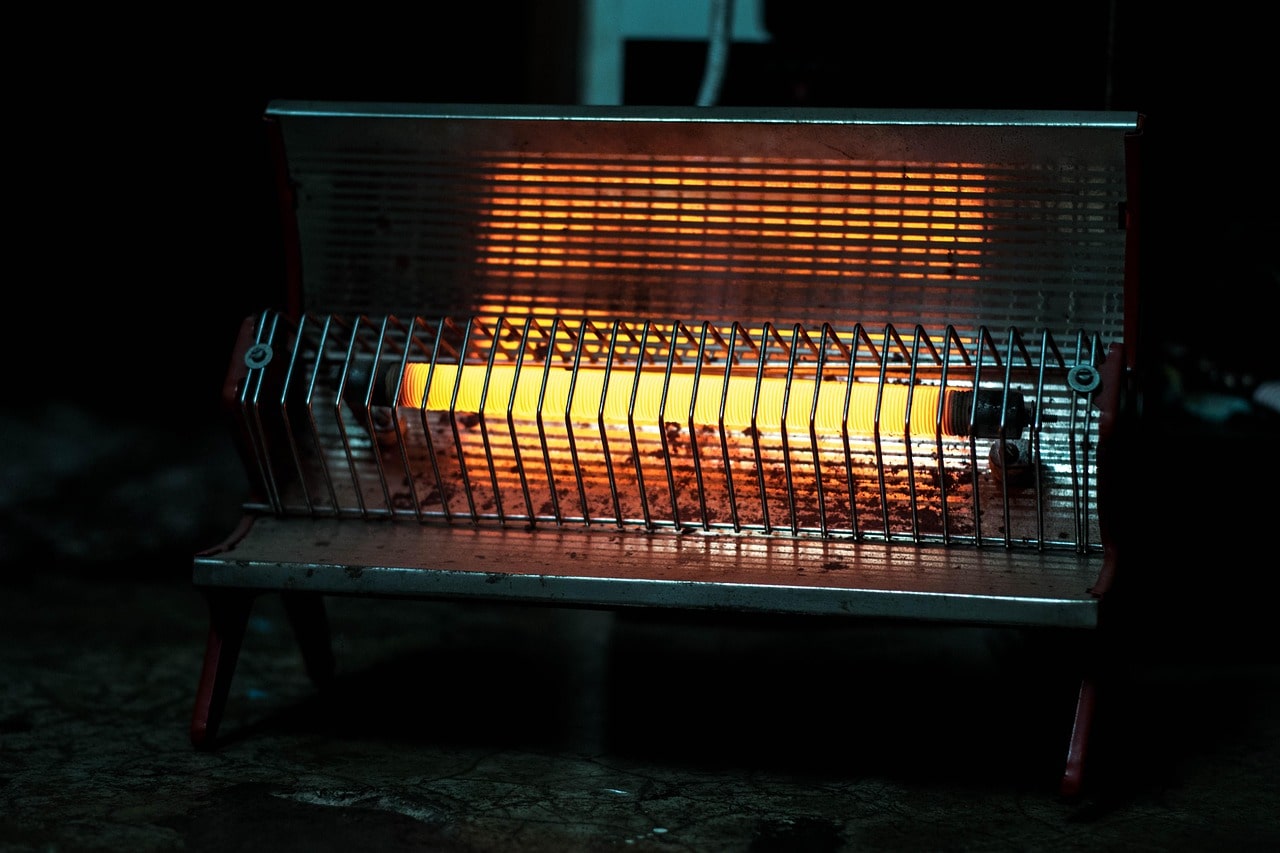
Heating Maintenance in La Cañada Flintridge, CA
Keeping your heating system tuned and reliable matters in La Cañada Flintridge, where cooler nights, higher elevation, and seasonal wildfire smoke all affect how often and how hard your system runs. A structured heating maintenance program helps prevent emergency breakdowns, improves comfort, lowers operating costs, and extends equipment life. Below is a clear guide to ongoing maintenance programs and service agreements tailored to homes in La Cañada Flintridge, CA.
Why heating maintenance matters in La Cañada Flintridge
- Cooler winter evenings and higher elevation mean furnaces and heat pumps can run longer than in lower-elevation parts of Los Angeles County. Longer run times increase wear.
- Seasonal Santa Ana winds and nearby wildfires increase dust and particulate intrusion, making filter and ventilation upkeep more important for efficiency and indoor air quality.
- Older homes in the area may have legacy ductwork or aging systems that benefit particularly from regular inspections and preventive care.
Regular maintenance reduces the chance of mid-winter failures, lowers energy bills by keeping systems efficient, and addresses safety risks such as carbon monoxide leaks and blocked vents before they become dangerous.
Common heating maintenance issues in La Cañada Flintridge
- Dirty or clogged filters reducing airflow and efficiency
- Uneven heating from duct leaks or imbalanced airflow
- Ignition, burner, or pilot problems in gas furnaces
- Worn blower motors, belts, or bearings causing noise and inefficiency
- Cracked heat exchangers or flue obstructions that pose safety hazards
- Thermostat miscalibration leading to over-cycling or poor comfort
- Reduced airflow due to attic insulation changes or sealed vents
- Compromised indoor air quality after wildfire smoke events
Typical inspection schedule and preventative tasks
A good maintenance agreement outlines scheduled visits and clearly defined tasks. For La Cañada Flintridge homes, a recommended baseline schedule and checklist looks like this:
- Annual pre-winter inspection (required for most gas furnaces and recommended for heat pumps)
- Optional spring or mid-season check for dual-fuel systems or homes with extreme seasonal use
- Preventative tasks performed during each visit:
- Replace or clean air filters; advise on MERV rating suited to local air quality
- Inspect burners, ignition system, and gas pressure/safety controls
- Check heat exchanger integrity and flue/venting for obstructions
- Clean and lubricate blower motor, bearings, and moving parts
- Inspect and seal accessible ductwork connections; test airflow balance
- Calibrate thermostat and test system cycling for proper on/off performance
- Test safety switches, limit controls, and carbon monoxide detectors
- Inspect condensate drains and pans (heat pumps/condensing systems)
- Record system runtime and basic efficiency indicators
These tasks prevent progressive deterioration and help detect problems when repairs are simpler and less costly.
Priority service, member discounts, and typical benefits
Membership in a maintenance program usually includes layered benefits that save time and money across the life of the system. Typical advantages include:
- Priority service scheduling during peak cold snaps to reduce downtime
- Discounts on parts and labor for covered repair work and replacement components
- Waived diagnostic fees or reduced service call charges for members
- Annual or biannual tune-ups included so systems are inspected on schedule
- Transferable agreements in some cases for homes that change ownership
- Seasonal reminders and scheduling coordination to ensure inspections happen before peak use
These perks cut lifetime operating costs and reduce the chance of emergency repairs when demand is highest.
Record-keeping and performance reporting
A professional program keeps clear documentation of every visit. Expect the following records and reports:
- Service visit reports with tasks completed, parts inspected, and any corrective actions taken
- Performance notes such as runtime hours, fuel or energy usage trends, and thermostat setpoint history
- Safety test results including combustion checks, CO readings, and vent integrity
- Recommendations for future repairs, estimated urgency, and expected effects on comfort or efficiency
- Digital access or mailed summaries for homeowners who need documentation for warranties or resale
Keeping logs helps track an individual system over years, showing how maintenance has improved efficiency and indicating when replacement is advisable.
Expected lifespan extension and cost savings
Regular maintenance yields measurable benefits over time. Conservatively, homeowners can expect:
- Improved system efficiency by 5 to 15 percent after routine cleaning and calibration
- Reduced risk of major failures, often cutting emergency repair frequency by half or more
- Extended equipment life by 2 to 5 years compared with unmaintained systems, depending on age and usage
- Lower seasonal energy bills due to better combustion and airflow management
- Earlier detection of safety issues that would otherwise require costly emergency action
These outcomes depend on system type, age, and local usage patterns. For La Cañada Flintridge homes exposed to smoke or dust, sticking to a maintenance schedule often yields even greater marginal benefits.
How enrollment and customization typically work
Maintenance programs are meant to fit your home and budget. The common enrollment and customization steps include:
- Initial system assessment
- A technician evaluates your system type, age, ductwork, fuel source, and any existing issues.
- Plan recommendation
- Choose from tiers such as Basic (annual inspection and filter service), Standard (annual inspection plus parts discounts and priority scheduling), and Comprehensive (biannual visits, safety testing, and broader coverage).
- Customize frequency and services
- Add-ons like indoor air quality checks, advanced filtration upgrades for wildfire protection, or thermostat upgrades can be included.
- Schedule first service and set reminders
- Establish a pre-winter visit date and automated reminders for future maintenance.
- Ongoing documentation
- Receive visit reports and long-term performance logs to track outcomes and adjust the plan over time.
A tailored plan matches inspection frequency to the demands of your home and the local environment so you get the right level of protection and savings.
Maintenance safeguards and long-term value
For homes in La Cañada Flintridge, scheduled heating maintenance is a practical investment in comfort, safety, and savings. With targeted inspections, priority support, and clear record-keeping, a maintenance program reduces the stress of winter breakdowns, helps maintain indoor air quality during wildfire season, and maximizes the usable life of your heating equipment. Regular care keeps systems running more efficiently, creating predictable costs and more reliable comfort when you need it most.
Customer
Testimonials
Our customers consistently praise the exceptional service and professionalism of our team. They appreciate the honest advice, meticulous work, and the care taken to ensure their satisfaction.

.webp)
Service Areas
