

Heating Maintenance in Compton, CA

This page outlines a comprehensive heating maintenance program for Compton, CA, detailing how regular visits protect comfort, efficiency, and safety. It covers typical systems and issues faced by local homes, the standard maintenance checklist, and what technicians inspect on each visit. Benefits include improved energy efficiency, fewer emergency repairs, longer equipment life, and warranty protection. It explains enrollment, scheduling, and the advantages of priority service, while offering practical tips to keep systems clean, safe, and reliable year-round.
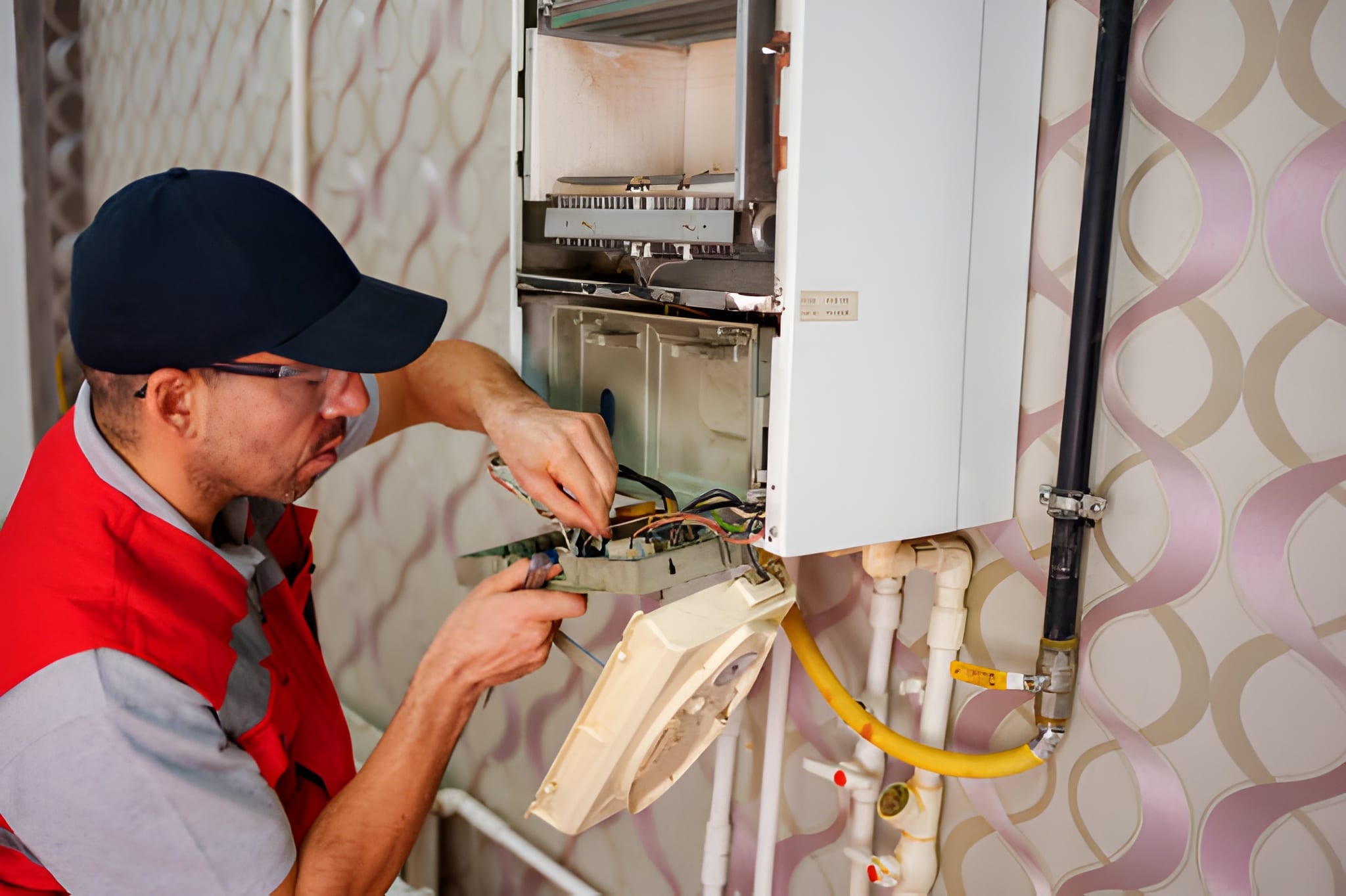
Why heating maintenance matters in Compton, CA
Compton experiences relatively mild winters, but homeowners still rely on furnaces, heat pumps, and hybrid systems for reliable indoor comfort. Less use during the year can mask developing problems until a colder night, so preventive care is the best way to avoid emergency breakdowns. Maintenance also helps systems run efficiently in coastal-influenced households where salt air and dust from urban areas can accelerate wear on exposed components.
Maintenance delivers three practical outcomes:
- Better energy efficiency and lower utility costs
- Fewer emergency repairs and longer equipment life
- Safer operation, especially for gas-fired systems
Common heating systems and issues in Compton
Homes in Compton most often have one of the following heating systems:
- Heat pumps or mini-splits (common for all-electric homes)
- Gas furnaces (in older or hybrid systems)
- Combined HVAC systems where the same equipment provides heating and cooling
Common heating maintenance issues in Compton include:
- Reduced airflow from dirty filters and clogged ducts
- Refrigerant leaks or low charge on heat pumps
- Corroded or dirty components from urban dust and salt exposure
- Worn belts, bearings, and blower motors from intermittent use
- Ignition or combustion irregularities on older gas furnaces
- Thermostat miscalibration causing short cycling or inefficiency
What a scheduled heating maintenance program covers
A well-designed program schedules regular visits and follows a consistent checklist so problems are caught early. Typical cadence is annual or biannual inspections timed before the heating and cooling seasons. Standard tasks performed on each maintenance visit include:
- Visual system inspection and safety checks
- Inspect heat exchanger or outdoor unit for obvious damage
- Check venting, flue connections, and combustion safety on gas units
- Airflow and filter service
- Replace or recommend the correct filter type and MERV rating
- Inspect and test airflow to confirm proper distribution
- Electrical and control inspections
- Tighten electrical connections, test capacitors and relays
- Verify thermostat settings and control responsiveness
- Mechanical component service
- Clean and lubricate motors, bearings, and moving parts where applicable
- Inspect belts and pulleys, replace if worn
- Refrigerant and combustion performance checks
- Measure refrigerant pressure and look for leaks on heat pumps
- Check ignition sequence and combustion efficiency on furnaces
- Measurements and diagnostics
- Measure system temperatures, static pressure, and amp draws
- Identify issues like short cycling, unusual noise, or unstable operation
- Safety and carbon monoxide considerations
- Test CO detectors and review combustion byproducts for gas systems
- Recommendations and reporting
- Provide clear notes on wear items, recommended repairs, and priority items
Each visit should end with a concise service report documenting observations, measurements, and any customer-facing recommendations.
Priority service and its advantages
Priority service within a maintenance program gives enrolled homes faster response and scheduling when demand spikes. For Compton residents, this is especially useful during:
- Sudden cold snaps when many systems start at once
- Post-storm or high-wind events that can lead to unexpected damagePriority service typically means:
- Shorter wait times for service appointments
- Preferred dispatch during peak season
- Faster access to diagnostic resources and parts allocation
These advantages limit downtime and reduce the risk of temporary discomfort or secondary damage to the system.
Record-keeping and system history
Maintaining a documented history of every inspection, repair, and parts replacement is one of the most valuable outcomes of a formal maintenance program. Good records:
- Show proof of regular care for warranty compliance
- Reveal trends like recurring component wear or airflow decline
- Help service technicians diagnose issues faster because they can see past findings
- Provide homeowners with a clear timeline for future replacements or upgrades
Expect digital service reports that include date-stamped notes, measurements, replaced parts, and suggested next steps.
How maintenance saves money and extends equipment life
Regular maintenance keeps components clean and adjusted, which reduces stress on the system. The practical financial benefits include:
- Improved energy efficiency that lowers monthly utility bills
- Fewer emergency repairs, which are often more costly than planned service
- Slower degradation of major components, delaying expensive replacements
- Preservation of manufacturer warranties in many cases through documented upkeep
In short, maintenance turns occasional expense into predictable, lower-cost care and preserves valuable equipment for longer.
Enrollment and what to expect when you sign up
Enrolling in a heating maintenance program in Compton typically follows a straightforward process:
- Provide system details
- Model, age, fuel type, and any known issues
- Schedule an initial inspection
- A thorough baseline visit establishes the system’s condition and preferred maintenance cadence
- Receive a program overview and service calendar
- You will get scheduled visit windows (annual or biannual) and notification preferences
- Ongoing visits and reporting
- Each scheduled visit results in a service report and recommendations
- Priority and emergency access
- Enrollment adds program benefits such as priority scheduling and direct access to maintenance history during emergencies
Enrollment terms often include clear expectations about visit frequency, what is covered during preventive visits, and how additional repairs are handled if needed.
Practical maintenance tips for Compton homes
- Change filters regularly—every 1 to 3 months depending on use and filter type
- Schedule a tune-up in late fall to prepare equipment for cooler nights
- Keep outdoor heat pump units clear of debris and plants to prevent airflow restriction
- Seal and insulate ductwork in unconditioned spaces to protect efficiency
- Monitor carbon monoxide detection devices and replace batteries periodically
Regular attention to these small tasks combined with a formal maintenance program keeps systems operating smoothly and protects your investment.
Maintenance is about predictable comfort and long-term savings. For homes in Compton, CA, a structured heating maintenance program preserves efficiency, safety, and equipment life while providing faster service when you need it most.
Customer
Testimonials
Our customers consistently praise the exceptional service and professionalism of our team. They appreciate the honest advice, meticulous work, and the care taken to ensure their satisfaction.

.webp)
Service Areas
