

Heating Maintenance in Altadena, CA

This page outlines comprehensive heating maintenance programs for Altadena, CA homes and businesses, emphasizing safety, efficiency, and long-term equipment life. It covers preventive inspections, replacement schedules, performance testing, and priority service, plus detailed documentation and system history tracking. Readers will find residential and commercial plan options, energy-saving recommendations, and practical steps to reduce downtime and repair costs. By detailing common issues, visit components, and testing methods, the guide helps property owners make informed decisions and keep heating systems reliable year-round in canyon climates.
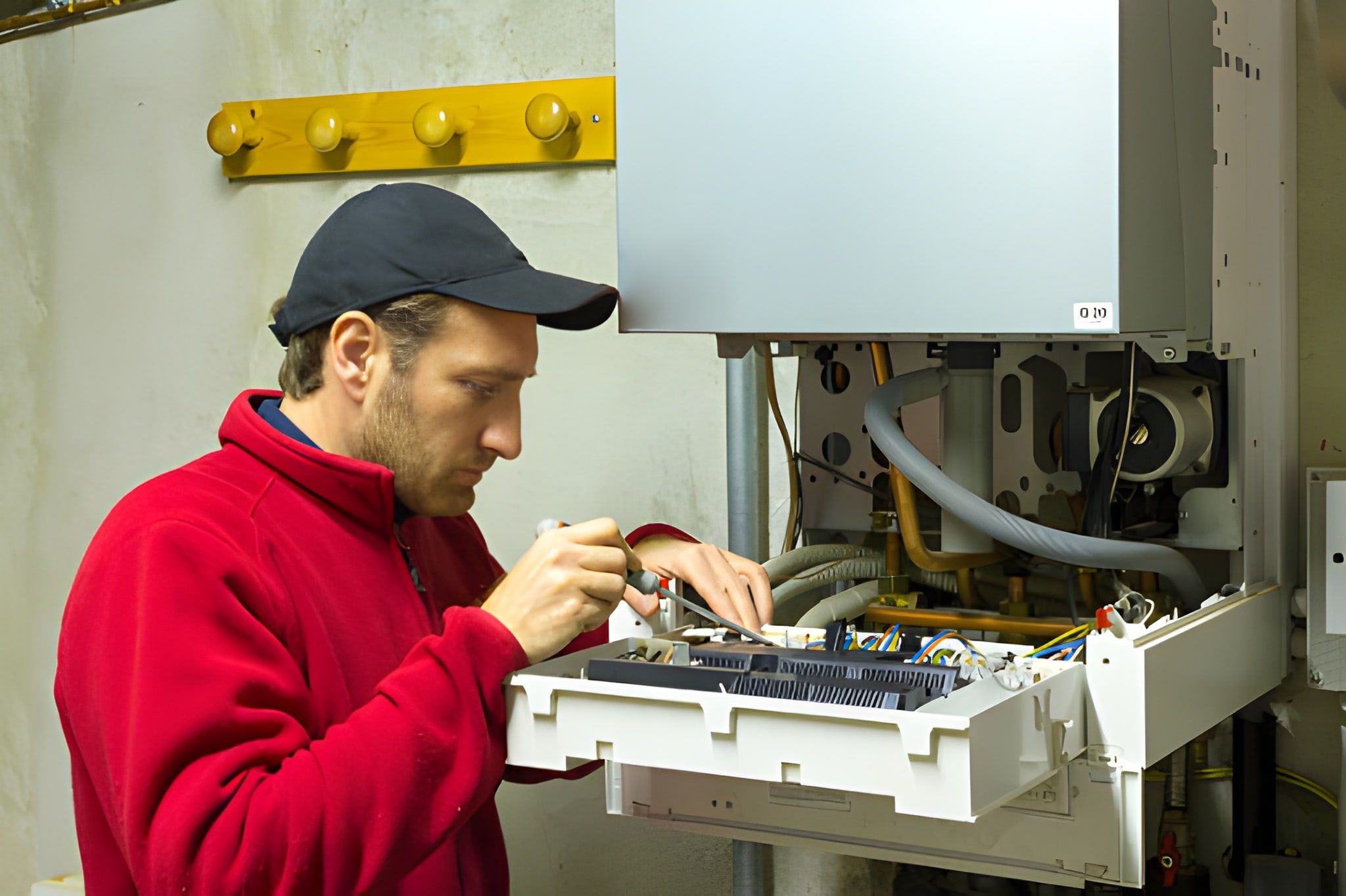
Heating Maintenance in Altadena, CA
Keeping your heating system running safely and efficiently is important year-round in Altadena, CA. Even with mild winters, cooler nights in the foothills, seasonal temperature swings, and wildfire smoke events make regular heating maintenance essential for comfort, indoor air quality, and equipment longevity. This page outlines comprehensive heating maintenance programs tailored for Altadena homes and businesses, including preventive inspections, replacement schedules, performance testing, priority service options, documentation and system history tracking, energy-saving recommendations, and both residential and commercial plan options.
Why ongoing heating maintenance matters in Altadena
Altadena’s climate presents unique challenges: canyon microclimates can bring colder nights, dust and pollen load is high in spring, and wildfire smoke can dramatically reduce indoor air quality. Regular maintenance prevents many common problems that reduce efficiency and increase operating costs. Well-maintained heating equipment runs cleaner, uses less energy, delivers more consistent comfort, and has a lower risk of breakdown during the next cold snap.
Common heating maintenance issues in Altadena
- Clogged filters and dirty coils from dust, pollen, and smoke, causing reduced airflow and higher energy use.
- Wear on blower motors and belts from heavy seasonal cycling.
- Faulty ignition systems, corroded burners, or cracked heat exchangers on older gas furnaces, creating safety and efficiency concerns.
- Refrigerant loss and reduced performance on heat pumps and split systems after long use without service.
- Duct leaks, poor insulation, and pressure imbalances that reduce heating effectiveness and indoor comfort.
- Indoor air quality problems after wildfire events due to insufficient filtration and ventilation control.
What a comprehensive heating maintenance visit includes
A professional maintenance visit follows a predictable, documented checklist so you know exactly what was inspected and serviced. Typical components:
- Visual and safety inspection of all heating components, including furnaces, heat pumps, boilers, thermostats, and controls.
- Filter inspection and replacement according to your plan and indoor conditions. Recommendations provided for MERV ratings based on pets, allergies, and wildfire smoke risk.
- Combustion and safety testing for gas equipment, including flame sensors, ignition systems, and heat exchanger checks to guard against carbon monoxide risk.
- Blower motor, belt, and fan inspection; lubrication and adjustments as needed to restore proper airflow.
- Moisture and corrosion checks on outdoor units and electrical connections.
- Refrigerant level check and system pressure verification on heat pumps and condensing units.
- Performance testing: temperature rise, supply and return temperature split, airflow estimates, and efficiency observations that establish a baseline.
- Thermostat calibration and controls verification to ensure responsive system operation.
- Ductwork inspection for visible leaks, disconnected joints, and insulation deficiencies.
- Indoor air quality review and recommendations: filtration upgrades, UV options, and post-smoke-event procedures.
Each visit ends with a written report documenting findings, actions taken, recommended repairs or upgrades, and a simple service history entry for your system.
Filter and component replacement schedules
An effective maintenance program sets filter and component timelines based on system type and local conditions:
- Standard filter replacement: every 1 to 3 months depending on MERV rating, occupancy, pets, and smoke events.
- High-efficiency filters: more frequent changes during wildfire smoke to maintain airflow.
- Blower belts and small mechanical components: inspected annually and replaced on observed wear or at recommended intervals.
- Ignition components, capacitors, and starters: inspected yearly with replacement recommended when performance degrades.
- Heat exchangers and refrigerant system components: inspected annually for integrity and leaks.
Customized schedules reflect Altadena conditions so you replace parts only when necessary, avoiding premature expense while preventing failure.
Performance testing and diagnostics
Maintenance visits include baseline performance testing so any decline in efficiency or comfort is detectable early. Common tests and why they matter:
- Temperature split testing to verify correct heat transfer.
- Airflow assessment to detect restrictive filters or duct issues.
- Combustion analysis on gas systems to verify safe and efficient burning.
- Refrigerant charge checks for heat pumps to maintain capacity and efficiency.
- Electrical load checks to identify failing capacitors or motors before they fail.
Early diagnostics reduce emergency repairs and help prioritize budgeted replacements.
Priority service and negotiated service agreements
For consistent protection and predictable costs, maintenance plans commonly include:
- Priority scheduling during peak weather events so your home or business is serviced ahead of non-plan customers.
- Pre-negotiated service terms and discounted labor rates for covered repairs that make budgeting simpler.
- Regular, scheduled maintenance visits (annual or semi-annual) tailored to residential or commercial systems.
- Options to include filter changes, emergency response windows, and seasonal startup/shutdown procedures.
- Clear documentation of what is covered and what qualifies as a repair versus routine maintenance.
These agreements are designed to reduce downtime, control costs, and guarantee faster response when reliability matters most.
Documentation and system history tracking
A reliable maintenance program records each visit and creates a system history that helps with future diagnostics and resale value:
- Detailed service reports listing tests performed, parts replaced, and performance notes.
- Recommendations and cost estimates for deferred repairs or upgrades.
- A maintenance timeline showing filter changes, component replacements, and efficiency improvements.
- Digital records that follow the property, useful for building managers and future owners.
This transparency supports long-term decision making and helps protect equipment warranties.
Residential vs commercial maintenance plans in Altadena
Residential plans focus on comfort, indoor air quality, and seasonal reliability. They usually include annual heating tune-ups, filter management, and priority scheduling.
Commercial plans address larger systems, rooftop units, boilers, and control systems. Commercial maintenance often requires quarterly visits, building system coordination, compliance checks, and service windows that minimize business disruption. Both plan types can be customized for building age, occupancy patterns, and Altadena-specific needs like smoke season response and canyon microclimates.
Energy-saving recommendations tailored to Altadena homes
Small changes after a maintenance visit can produce measurable savings:
- Install or program smart thermostats for setback schedules that match foothill temperature swings.
- Upgrade to higher-efficiency filters and increase replacement frequency after smoke events.
- Seal and insulate ducts and attics common in older Altadena homes to reduce heat loss.
- Balance zoning or add zoning controls where different rooms experience different temperatures.
- Consider heat pump optimization if you have electric heating; modern heat pumps offer high efficiency even in cooler nights.
Customer
Testimonials
Our customers consistently praise the exceptional service and professionalism of our team. They appreciate the honest advice, meticulous work, and the care taken to ensure their satisfaction.

.webp)
Service Areas
