

Heating Installation in Santa Monica, CA

Heating installation in Santa Monica, CA focuses on delivering properly sized, energy-efficient systems built for coastal conditions. Services include detailed load calculations, equipment selection, permitting, installation, and commissioning. Each project emphasizes code compliance, corrosion-resistant materials, and precise design to ensure lasting performance. Post-installation testing, warranty documentation, and maintenance planning are also provided. Financing and rebate options are available to help homeowners achieve reliable comfort and long-term efficiency.
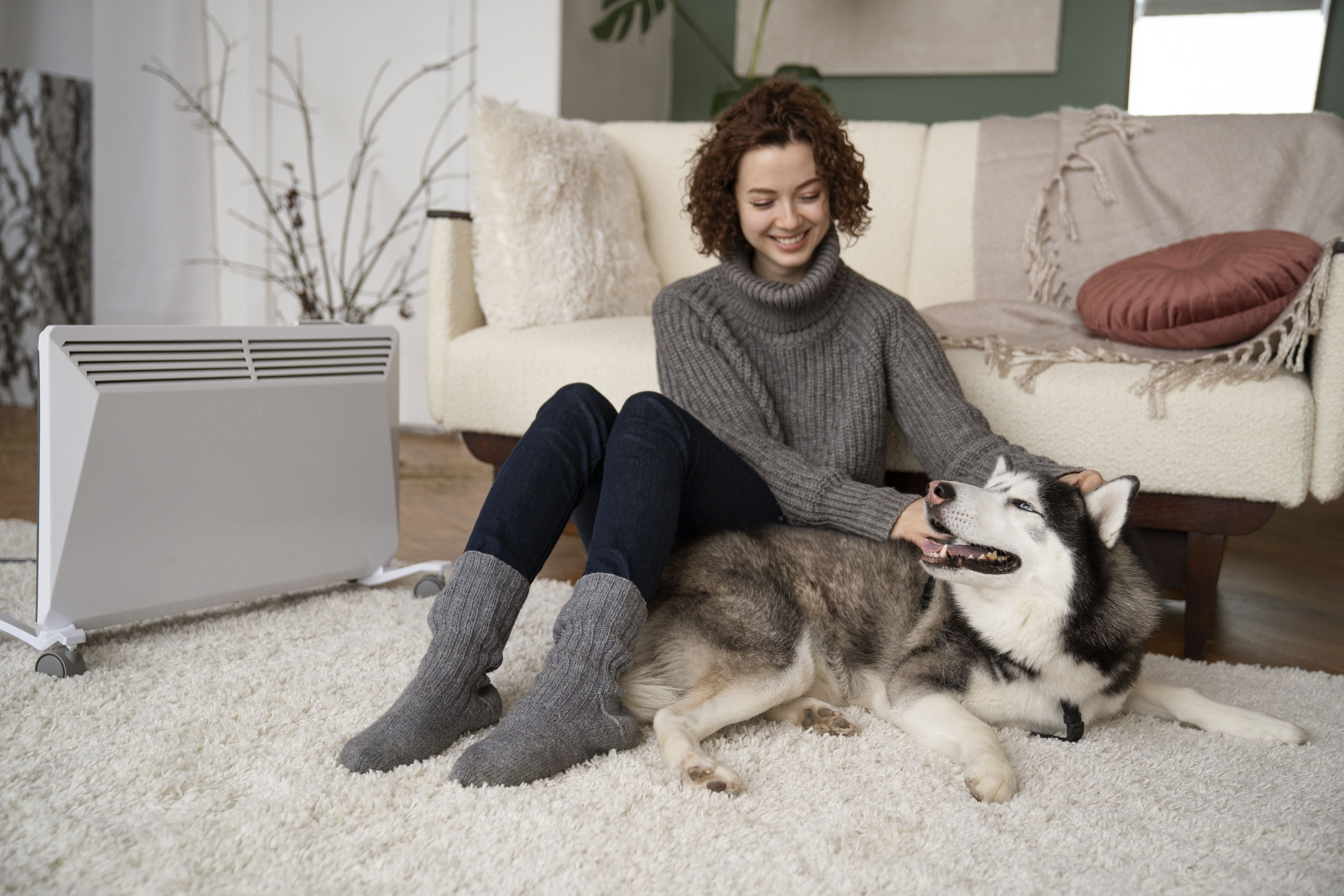
Heating Installation in Santa Monica, CA
An efficient, properly sized heating system keeps your Santa Monica home comfortable through cool coastal mornings and the persistent marine layer without wasting energy or driving up utility bills. Whether you live in a beach bungalow, a hillside home above the canyon, or a condominium near Montana Avenue, a professional new heating system installation addresses common pain points: uneven comfort, rising operating costs, outdated equipment, and local code or HOA constraints. This page explains what a thorough heating installation looks like in Santa Monica, how systems are selected and sized, the installation steps and timeline, code and permitting considerations, post-install testing, warranty handoff, and the typical financing and rebate options available.
Common heating systems and when to choose them
- Air-source heat pumps (air conditioners with heating mode or cold-climate heat pumps): Best for energy efficiency and electrification goals. Look for HSPF, SEER, and COP ratings to compare performance. Heat pumps are particularly attractive in Santa Monica’s mild coastal climate because they provide efficient heating and cooling year-round.
- Ductless mini-splits: Ideal for older homes without ductwork, room additions, or zoned comfort. Variable-speed inverter models reduce short-cycling and provide quiet operation.
- Furnaces (gas): Traditional choice where natural gas service is available. Compare AFUE ratings for fuel efficiency. Consider sealed-combustion units and corrosion-resistant components for coastal exposure.
- Hybrid (dual fuel) systems: Combine a heat pump with a gas furnace to optimize efficiency during shoulder seasons and very cold spells.
- Hydronic boilers: Used in some retrofits or homes with existing radiant systems. Look for modulating burners and efficient controls.
On-site assessment and load calculations
A reliable installation begins with a full on-site assessment and accurate load calculation, not a rule-of-thumb sizing. Key steps:
- Perform a Manual J load calculation to determine heating needs based on square footage, ceiling heights, insulation levels, window orientation, occupancy, and local climate data (marine influence and mild winters).
- Review duct system condition and perform Manual D duct design if ducts are present or needed. Duct leakage and poor insulation are frequent causes of poor comfort in Santa Monica homes.
- Evaluate electrical capacity, gas line sizing, and space for equipment (garage, closet, rooftop, or utility closet).
- Identify moisture or corrosion risks from ocean air and suggest materials or coatings to mitigate early degradation.
Correct sizing avoids short cycling, humidity problems, and inefficient operation. Oversized systems increase cost and reduce comfort; undersized systems cannot meet demand on colder nights.
Equipment selection and efficiency ratings
When selecting equipment in Santa Monica, weigh first-cost against lifecycle cost and local conditions:
- AFUE for furnaces indicates annual fuel efficiency. Higher AFUE reduces gas consumption.
- HSPF, COP, SEER for heat pumps and air conditioners express heating and cooling efficiency; higher numbers mean lower operating cost.
- Look for variable-speed compressors, modulating burners, and smart controls—these improve comfort and lower energy use.
- Choose corrosion-resistant materials (stainless steel heat exchangers, coated coils) and sealed combustion for gas appliances near coastal environments.
- Consider future flexibility: wiring for a heat pump even if keeping gas now makes later retrofits easier and can preserve incentive eligibility.
Step-by-step installation process and typical timeline
A typical new heating system installation follows predictable stages and timelines depending on complexity (simple furnace swap vs full heat pump + duct retrofit):
- Pre-install preparations and scheduling of required permits: 1–3 days.
- Removal and disposal of existing equipment, asbestos or hazardous-material mitigation if required: 1 day.
- Duct modifications or new ductwork / mounting of mini-split heads and outdoor units: 1–3 days.
- Gas line, combustion venting, or electrical upgrades and breaker work: 1 day (may require coordinated inspections).
- Refrigerant line runs, evacuation, and charge for heat pumps; system startup and controls integration: 1 day.
- Final commissioning, airflow balancing, and homeowner walkthrough: same day as startup or within 24 hours.
Most residential installations complete in 1–5 business days. Larger retrofits or homes with restrictive access or historic requirements may take longer.
Permits, code compliance, and local regulations
Santa Monica installations must comply with California Building Codes and local municipal requirements:
- Obtain mechanical, electrical, and plumbing permits as required. Final inspections and sign-offs are standard.
- Meet California Title 24 energy requirements, which may require duct leakage testing, efficiency documentation, or HERS verification for certain projects.
- Technicians must follow refrigerant handling rules and hold EPA Section 608 certification where applicable.
- If your property is in a historic district or subject to HOA rules, plan for design review or specific mounting/venting limitations.
- Proper permitting ensures safety, maintains resale value, and preserves warranty and incentive eligibility.
Post-install testing and commissioning
A professional installation includes thorough testing and commissioning to verify performance:
- Combustion analysis and gas leak testing for gas-fired equipment.
- Refrigerant charge verification, superheat/subcooling checks, and electrical safety inspections for heat pumps.
- Airflow balancing and duct leakage testing to ensure rooms receive designed airflow.
- Thermostat configuration and system programming for occupant comfort and efficiency.
- A documented performance report and demonstration with the homeowner explaining controls and maintenance needs.
Warranty, maintenance handoff, and long-term care
After installation you should receive clear documentation: equipment model and serial numbers, manufacturer warranty terms, and the installer’s labor warranty. Best-practice maintenance includes:
- Annual tune-ups for heat pumps and furnaces: filter changes, coil cleaning, burner or ignition checks, and refrigerant level inspection.
- Regular filter replacement and keeping outdoor units clear of salt spray, vegetation, and debris to prolong component life in coastal settings.
- Scheduling periodic duct inspections and cleaning when needed.
A proactive maintenance plan protects warranties, improves efficiency, and extends equipment life.
Financing and rebate options in Santa Monica
Many homeowners offset upfront costs through financing and incentives:
- Financing options often include low-interest loans or payment plans for energy improvements.
- Energy-efficiency rebates and incentive programs for high-efficiency heat pumps, duct upgrades, and electrification measures are commonly available at state, local, and utility levels.
- Federal tax credits may apply for qualifying energy-saving equipment—check eligibility for current programs.
- Combining rebates with a financing plan can reduce monthly outlay and shorten payback periods through lower utility bills.
A well-executed heating installation in Santa Monica, CA combines precise load calculations, equipment chosen for local climate and coastal exposure, strict adherence to California codes, and careful commissioning to ensure comfort, efficiency, and lasting performance. Prioritizing proper sizing, corrosion-resistant materials, and post-install maintenance delivers consistent indoor comfort while maximizing energy savings and protecting your investment.
Customer
Testimonials
Our customers consistently praise the exceptional service and professionalism of our team. They appreciate the honest advice, meticulous work, and the care taken to ensure their satisfaction.

.webp)
Service Areas
