

An air conditioning tune-up in Whittier, CA delivers a proactive seasonal service that inspects, cleans, and tunes key components to improve efficiency, reliability, and comfort during hot months. The process targets common issues such as dirty coils, clogged filters, refrigerant checks, and electrical safety, while offering a detailed checklist and performance testing. Regular maintenance extends equipment life, reduces midseason breakdowns, and helps manage energy costs. This page outlines expectations, recommended frequency, and maintenance options for Whittier homes.

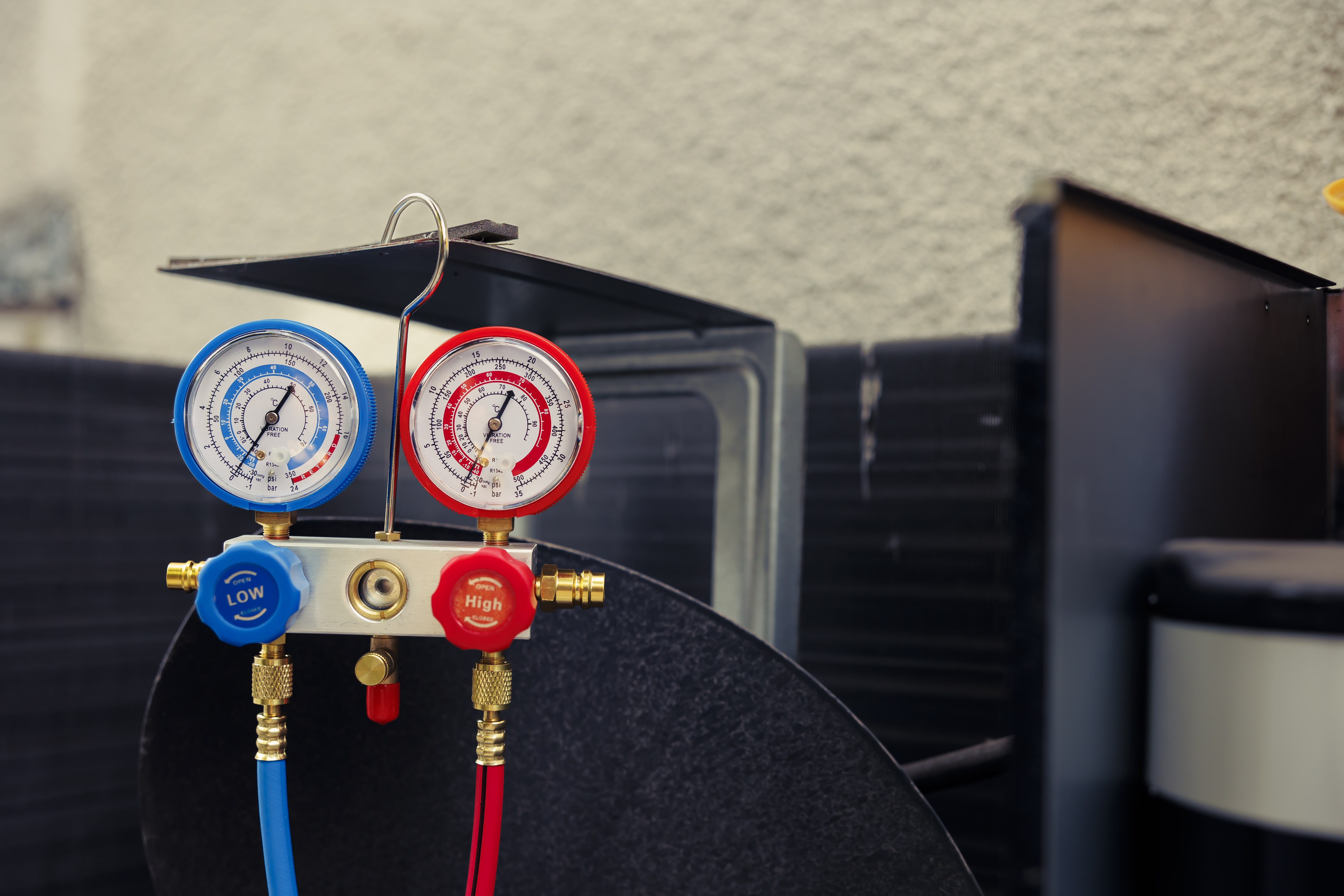
Air Conditioning Tune-up in Whittier, CA
Keeping your air conditioning running reliably through Whittier summers starts with a professional seasonal tune-up. An AC tune-up is a focused service visit that inspects, cleans, and adjusts key components so your system runs safely, efficiently, and with fewer surprise breakdowns. For homes in Whittier, CA, where hot afternoons, Santa Ana dust events, and occasional humidity spikes increase system stress, a timely tune-up protects comfort and helps avoid high summer repair demand.
Why a seasonal Air Conditioning Tune-up matters in Whittier
- Improved efficiency: Clean coils, proper refrigerant charge, and calibrated controls reduce the energy your AC uses during long warm stretches.
- Fewer midseason breakdowns: Tune-ups catch worn parts and developing issues before they become emergency repairs when cooling is most critical.
- Longer equipment life: Regular maintenance reduces wear on motors, compressors, and fans so the system reaches or exceeds its expected lifespan.
- Healthier indoor air: Filter changes and coil cleaning reduce dust and allergens common after dry periods and wind events in the Los Angeles basin.
- Safety and reliability: Electrical checks and safety control tests reduce risk of shorts, overheating, and component failure.
Common air conditioning tune-up issues in Whittier, CA
- Clogged air filters from seasonal dust, pollen, and indoor particulates
- Dirty evaporator and condenser coils that reduce heat transfer
- Low refrigerant or slow leaks causing poor cooling and compressor strain
- Worn capacitors, relays, or motors after heavy summer use
- Clogged condensate drains leading to water backups and microbial growth
- Thermostat drift or poor calibration that causes uneven comfort or cycling
- Outdoor unit debris, vegetation encroachment, and reduced airflow
Standard tune-up checklist
A professional AC tune-up in Whittier typically covers this standard checklist to restore performance and verify safety:
- Filter inspection and replacement: Clean or replace filters to restore airflow and indoor air quality.
- Evaporator and condenser coil cleaning: Remove dirt and buildup so heat exchange works efficiently.
- Refrigerant check: Verify system charge and inspect for signs of leaks; recommend repair if needed.
- Belts, bearings, and motor inspection: Check moving parts for wear, lubricate where applicable, and test motor operation.
- Thermostat calibration: Ensure temperature sensing and programming are accurate and compatible with new smart thermostats if present.
- Electrical safety checks: Tighten connections, test capacitors, contactors, breakers, and fuses, and check for corrosion.
- Airflow and duct basic assessment: Measure airflow, check for obvious duct blockages or disconnected runs that limit performance.
- Condensate drain cleaning and trap check: Clear lines to prevent overflow and mold issues.
- System performance test: Measure temperature split, run-time, and overall operating parameters to confirm cooling output.
- Safety control verification: Test limit switches and safety devices to ensure reliable operation.
What to expect during a tune-up visit
Technicians arrive prepared to inspect both the indoor and outdoor components. Expect a visual inspection of the air handler and outdoor condenser, diagnostic measurements of temperatures and electricals, and hands-on cleaning and adjustments. If a repair or part replacement is recommended, the technician will explain the cause and typical solutions. For Whittier homes with older systems, the visit may uncover parts that are near end of life and benefit most from replacement before peak season.
Recommended frequency for Whittier homes
- Annual tune-up: Minimum recommendation for most single-family homes to prepare before summer peak use. Spring is ideal so the system is ready when temperatures rise.
- Biannual tune-up: Consider for homes with heavy cooling loads, older systems, high indoor occupancy, or homes exposed to frequent dust and wind events. A fall check can prepare the system for off-season conditions and catch issues after peak use.
- Filter checks: Inspect filters monthly and change as needed; at a minimum replace or deep-clean seasonal filters at the start of spring and again in fall.
Membership plans and ongoing maintenance options
Many homeowners prefer ongoing maintenance plans that bundle preventive tune-ups and basic services without needing to remember seasonal scheduling. Typical plan features include:
- Scheduled seasonal tune-ups at optimal times (spring and optional fall)
- Priority scheduling during high-demand periods
- Discounted diagnostic fees for covered repair items
- Annual system performance documentation and year-over-year tracking
- Routine filter delivery or reminders and basic cleanings between major tune-ups
Memberships reduce surprise costs and ensure your system is serviced on a predictable cadence that matches Whittier’s climate and usage patterns.
Typical tune-up repairs and what they fix
- Refrigerant leak repair and recharge: Restores cooling capacity and prevents compressor damage.
- Capacitor and contactor replacement: Eliminates common failure points that cause hard starts or no-start conditions.
- Drain line repair and condensate pan cleaning: Prevents water damage and microbial growth.
- Fan motor and belt replacement: Restores proper airflow and reduces noise.
- Thermostat replacement or recalibration: Fixes inaccurate temperature control and reduces short cycling.
Practical maintenance tips for Whittier homeowners
- Replace or clean filters every 1 to 3 months depending on use and household allergens.
- Keep at least two feet of clearance around the outdoor condenser; remove leaves, trimmings, and dust after windy days.
- Shade the outdoor unit from direct sun where possible without restricting airflow to improve efficiency.
- Program thermostats for reasonable setbacks to reduce run time without stressing the system.
- Schedule pre-season tune-ups in spring to avoid peak-season delays and higher repair costs.
A comprehensive seasonal tune-up is one of the most cost-effective ways to protect comfort and reduce long-term cooling costs in Whittier, CA. Regular inspections, cleaning, and adjustments address the unique demands of local climate and home conditions so the system performs reliably during warm spells and wind-driven dust events.
Customer
Testimonials
Our customers consistently praise the exceptional service and professionalism of our team. They appreciate the honest advice, meticulous work, and the care taken to ensure their satisfaction.

.webp)
Service Areas
