

Air conditioning tune-ups in Westlake Village, CA deliver professional, proactive maintenance to ensure efficiency, safety, and reliable cooling. Technicians perform comprehensive inspections, including coil and filter cleaning, electrical checks, refrigerant evaluation, airflow optimization, and condensate maintenance. Regular tune-ups prevent mid-summer breakdowns, extend equipment life, reduce energy use, and maintain warranty coverage. Homeowners receive detailed reports, clear recommendations, and flexible scheduling to keep their systems performing optimally throughout the year.

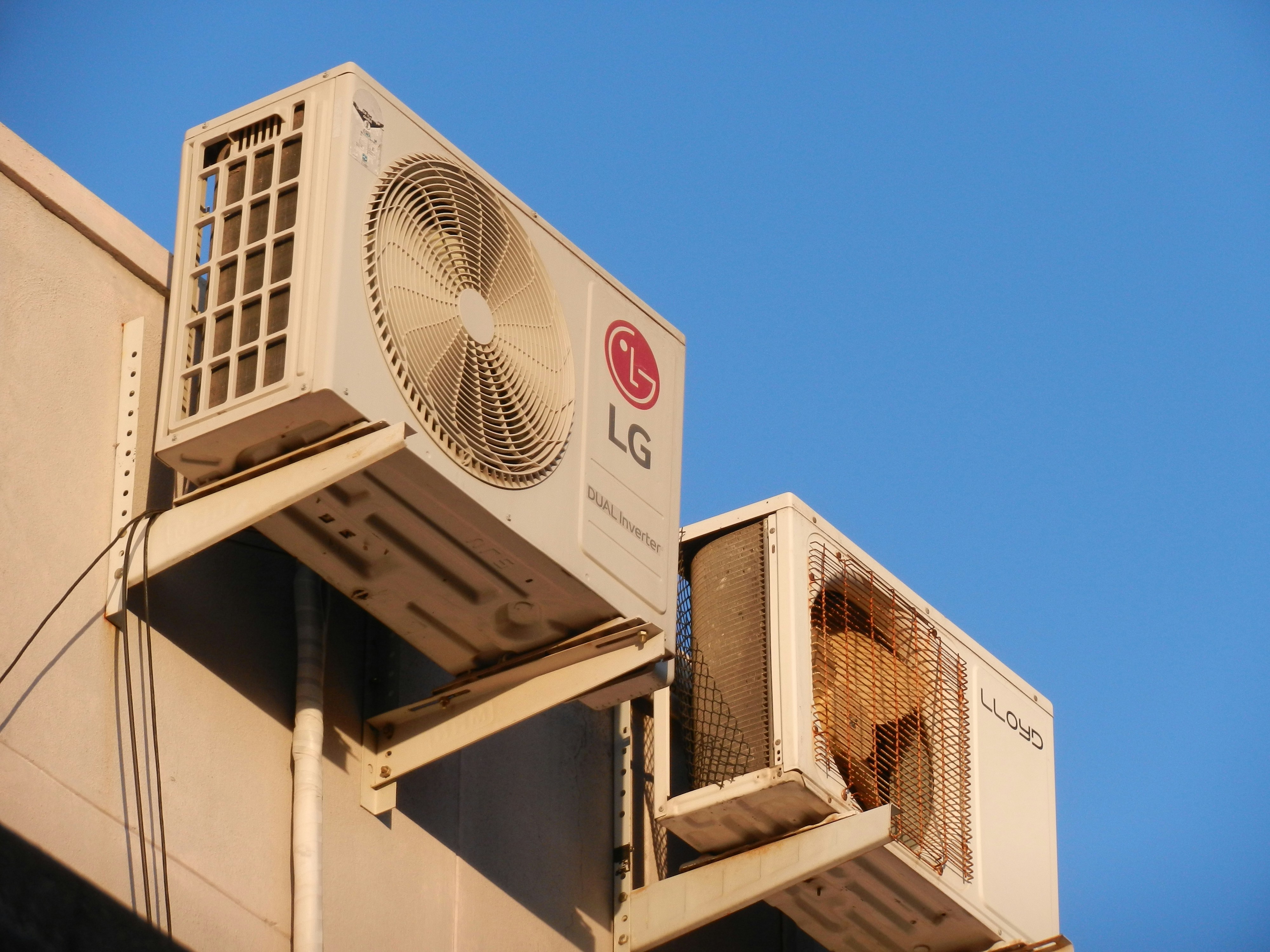
Air Conditioning Tune-up in Westlake Village, CA
Keeping your air conditioning operating reliably and efficiently is essential in Westlake Village, CA, where hot, dry summers, occasional Santa Ana winds, and seasonal wildfire smoke can put extra strain on HVAC systems. A professional air conditioning tune-up addresses performance, safety, and indoor air quality before high-demand months so your home stays comfortable and energy-efficient.
Why a seasonal AC tune-up matters in Westlake Village
Westlake Village homes face specific local challenges: extended cooling seasons, high daytime temperatures in the Conejo Valley, dust from wind events, and periods of elevated smoke or ash. These factors accelerate filter clogging, coil fouling, and component wear. A timely tune-up reduces breakdown risk during peak heat, improves comfort, and helps keep utility costs down—especially important for older systems or homes with heavy indoor occupancy.
Common air conditioning tune-up issues in Westlake Village
- Reduced airflow from clogged filters or dirty blower wheels after dusty wind events
- Dirty evaporator or condenser coils from pollen, landscaping debris, and smoke particles
- Low refrigerant charge caused by slow leaks or previous undercharging
- Electrical wear (capacitors, contactors) from frequent cycling during long cooling periods
- Condensate drain blockages that can cause water damage or microbial growth during humid spells
- Thermostat calibration drift leading to inconsistent indoor temperatures
Recommended frequency
- At minimum: Annual pre-summer tune-up (late spring) to ensure peak cooling performance.
- Consider twice yearly (spring and early fall) if you have: older equipment, a heat pump system, pets, heavy use, recent wildfire smoke exposure, or recurring dust/santa ana wind events.
Regular servicing also helps meet many manufacturer warranty maintenance requirements.
AC tune-up checklist — what technicians inspect and test
A thorough tune-up follows a structured checklist to diagnose, clean, and optimize system performance:
Inspection and diagnostics
- Visual inspection of indoor and outdoor units, mounting, and refrigerant lines
- Check system model, age, and last service history
- Inspect air filters and advise on replacement type and schedule
- Examine ductwork access points for obvious leaks or disconnections
Electrical and safety checks
- Test voltage and amperage draws at compressor and fan motors
- Inspect contactors, relays, capacitors, and wiring for corrosion or wear
- Verify operation of safety controls and disconnects
Refrigeration and performance testing
- Measure refrigerant pressures and temperatures to confirm proper charge
- Check temperature split across evaporator coil (supply vs. return)
- Evaluate compressor startup behavior and cycling patterns
Airflow and indoor comfort
- Measure airflow and static pressure when possible
- Inspect blower assembly, motor bearings, and belts (if applicable)
- Verify thermostat calibration and proper control settings
Drainage and indoor air quality
- Inspect and clear condensate drain and pump (if present)
- Inspect evaporator and condenser coils for dirt and corrosion
- Recommend filter upgrade options for wildfire smoke or allergy concerns
Cleaning and routine maintenance tasks
- Replace or clean air filters per manufacturer guidelines
- Clean/flush condensate drain and pan to prevent blockages and mold
- Clean condenser coil and clear debris around outdoor unit to restore airflow
- Light lubricating of motor bearings and moving parts where required
- Tighten electrical connections and replace obviously failing components (documented)
Reporting and recommendations
- Provide documented findings, measured values, and prioritized repair/replacement recommendations
- Estimate impacts of repairs (efficiency gains, expected life extension) without pricing details
Cleaning procedures explained
Cleaning is a major part of a tune-up and directly improves efficiency:
- Filter service: Disposable filters are replaced; washable filters are cleaned and inspected. For wildfire-prone periods, higher MERV or specialized smoke filters may be recommended.
- Coil cleaning: Evaporator and condenser coils are gently cleaned to restore heat transfer. Heavily soiled coils may need professional coil solvents or fin combing.
- Outdoor unit care: Vegetation and debris are removed; fins are straightened as needed to restore airflow.
- Blower and drain cleaning: Blower wheel is vacuumed and wipe-cleaned; condensate lines are cleared and treated to prevent microbial growth.
Performance and safety testing you should expect
- Start-up test under load to confirm stable operation and no unusual noises
- Temperature differential measurement to ensure the system is cooling to spec
- Refrigerant leak check and pressure verification to prevent efficiency loss and compressor damage
- Electrical load testing to detect failing capacitors or motors before they fail
- Verification of safety cutouts and control operation to reduce risk of breakdowns or fire hazards
Signs you need a tune-up now
- Noticeable drop in cooling capacity or uneven room temperatures
- Rising utility bills without a change in usage patterns
- Short cycling (system turns on and off rapidly)
- Ice buildup on evaporator coil or refrigerant lines
- Foul odors or water around the indoor unit or drain pan
- Loud or unusual noises at startup or during operation
Benefits of proactive maintenance
- Improved cooling efficiency and lower energy bills
- Longer equipment life and delayed replacement costs
- Reduced risk of mid-summer failures and emergency repairs
- Better indoor air quality—important during wildfire smoke or allergy seasons
- Documentation of maintenance for warranty compliance and home resale value
How booking and an on-site tune-up typically work (what to expect)
- When arranging a tune-up, have your system model/serial number and last service date available if known. Scheduling is commonly done seasonally, with many homeowners choosing pre-summer windows.
- On appointment day, technicians will perform the inspection, cleaning, testing, and then review their findings and any repair recommendations with you. Typical tune-up duration ranges from 60 to 120 minutes depending on system complexity.
- Prepare your home by ensuring clear access to the indoor air handler, the outdoor condenser, and electrical panels. Secure pets and clear nearby shrubbery if possible.
- After the visit you should receive a detailed service checklist, explanation of any issues found, and recommended next steps for repairs or upgrades.
Maintenance tips for Westlake Village homeowners
- Replace or clean filters more frequently during dusty wind events or wildfire smoke periods.
- Keep the outdoor unit free of leaves, mulch, and irrigation spray.
- Run your system periodically during mild months to keep components lubricated and seals intact.
- Consider upgrading to a programmable or smart thermostat to reduce unnecessary runtime during hot afternoons.
Regular, professional tune-ups tailored to Westlake Village conditions protect comfort, lower operating costs, and reduce the chance of inconvenient failures. Scheduling maintenance before the cooling season and following the checklist above ensures your system is ready for peak demand.
Customer
Testimonials
Our customers consistently praise the exceptional service and professionalism of our team. They appreciate the honest advice, meticulous work, and the care taken to ensure their satisfaction.

.webp)
Service Areas
