

Air Conditioning Tune-Up in Rolling Hills Estates, CA delivers preventive maintenance that cleans and calibrates your central air system to enhance reliability, efficiency, and comfort. A typical visit includes coil cleaning, filter inspection, refrigerant checks, electrical safety tests, thermostat calibration, airflow measurements, drain line inspection, and a written report with recommendations. Regular service reduces wear, lowers energy use, and minimizes unexpected breakdowns while extending equipment life. Scheduling is flexible, aligning with spring pre-season timing and coastal climate considerations for larger homes.

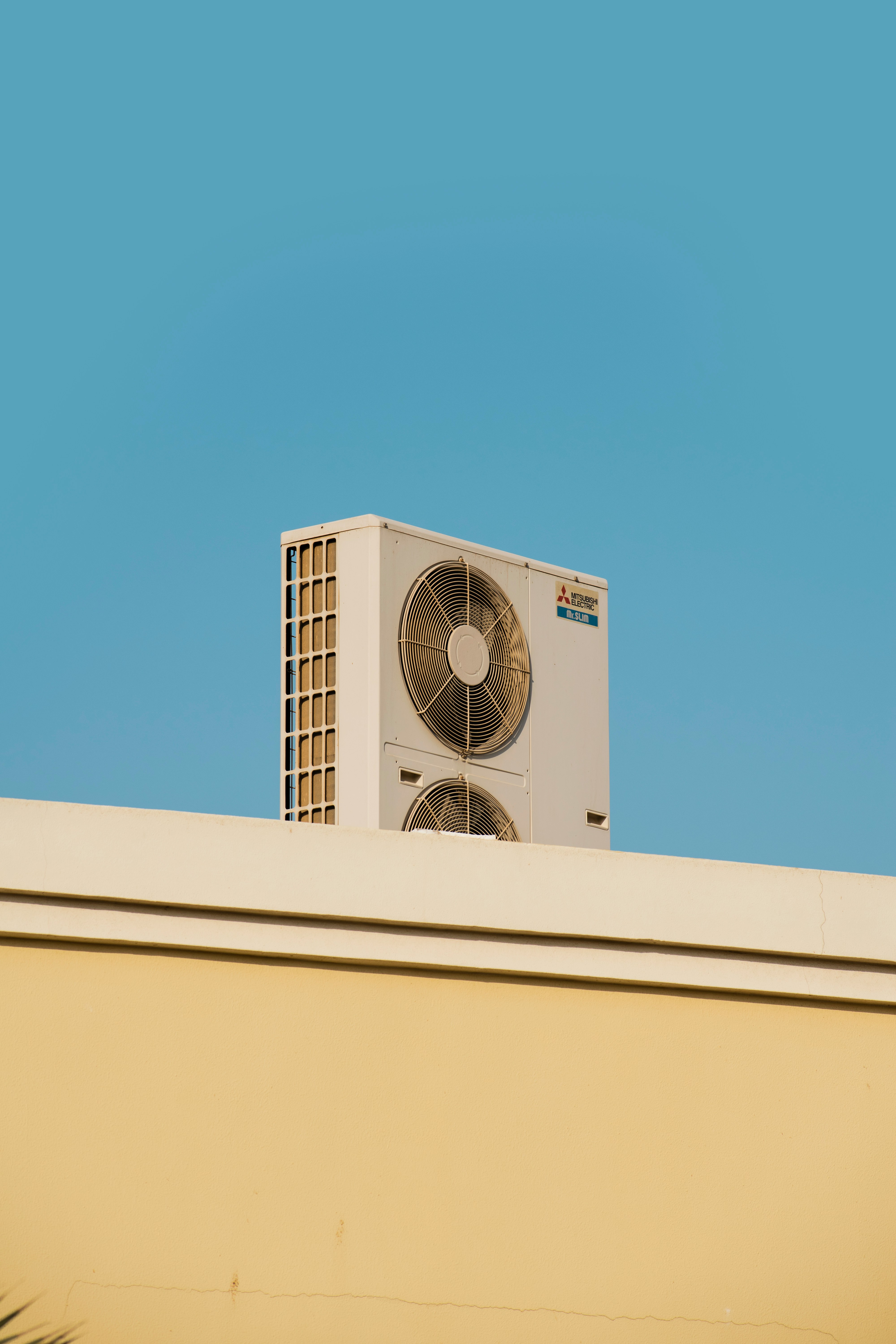
Air Conditioning Tune-up in Rolling Hills Estates, CA
Keeping your central air system running reliably through warm months in Rolling Hills Estates means seasonal attention before peak use. An Air Conditioning Tune-up in Rolling Hills Estates, CA is a preventive service that inspects, cleans, and optimizes your cooling system so it performs safely, efficiently, and with fewer unexpected breakdowns. For local homeowners—many with larger single-family properties and systems exposed to marine air and occasional heat waves—regular tune-ups address both performance and corrosion-related wear unique to the Palos Verdes Peninsula microclimate.
Typical AC Tune-up Checklist
A professional seasonal tune-up generally includes these core tasks. Each item is a standard part of a thorough inspection and maintenance visit.
- Filter inspection and replacement/cleaning
Check filter type (throwaway, washable, pleated, HEPA/MERV) and replace or clean as appropriate to restore airflow and indoor air quality. - Evaporator and condenser coil cleaning
Remove debris, dust, and salt buildup that reduce heat transfer and strain the compressor. - Refrigerant level check and leak assessment
Verify refrigerant charge and look for signs of leaks or oil residue that indicate escaping refrigerant. - Electrical and safety inspections
Tighten terminals, test capacitors and contactors, inspect breakers and fuses, and verify safe wiring to prevent failures or fire hazards. - Lubrication of moving parts
Motor bearings and other components are lubricated where applicable to reduce friction and extend component life. - Thermostat calibration and controls check
Ensure the thermostat reads accurately, communicates with the system, and that settings match homeowner comfort needs. - Airflow and performance testing
Measure temperature split, static pressure, and airflow to confirm the system is delivering designed cooling capacity. - Drain line inspection and condensate management
Clear and treat drain lines to avoid clogs and secondary water damage inside homes. - Outdoor unit condition and mounting
Inspect the condenser for corrosion, bent fins, and secure mounting—especially important in coastal or saline environments.
Common AC Tune-up Issues in Rolling Hills Estates
Rolling Hills Estates homes face certain recurring problems your tune-up should catch:
- Salt and coastal corrosion on outdoor units that accelerate wear.
- Clogged filters and reduced airflow from long run times during summer.
- Lower-than-optimal refrigerant levels from slow leaks.
- Electrical wear in older systems that can lead to contactor or capacitor failures.
- Duct leaks or insulation problems in larger single-family homes reducing system efficiency.
What the Tune-up Process Looks Like
A typical seasonal visit lasts 60 to 90 minutes for standard split systems. The technician will:
- Verify system operation and record baseline performance data.
- Turn off power and perform safety checks before component access.
- Clean coils and filters, clear drain lines, and visually inspect both indoor and outdoor units.
- Check refrigerant and airflow measurements, adjust thermostat settings, and run the system to confirm improvements.
- Provide a documented report of findings, recommended repairs, and any parts that need attention.
Technicians will explain any findings in straightforward terms—what’s urgent, what’s recommended, and what can be monitored—so you can make informed decisions about repairs or upgrades.
Benefits of Regular AC Tune-ups
Seasonal tune-ups deliver several practical advantages for homeowners in Rolling Hills Estates:
- Improved efficiency and lower energy use
Clean coils, proper refrigerant charge, and unrestricted airflow let your system cool with less energy waste. - Fewer unexpected breakdowns
Preventive detection of worn components reduces emergency service calls during hottest days. - Extended equipment life
Routine maintenance slows wear on critical parts, delaying costly replacements. - Better indoor comfort and air quality
Balanced airflow and properly operating components maintain consistent comfort levels and reduce allergens. - Warranty protection and record keeping
Many manufacturer warranties require annual maintenance documentation to remain valid.
Recommended Frequency
- Annual spring tune-up is standard for most central AC systems—schedule before the first heavy cooling demand.
- Biannual service is advised for older systems, heat pumps, or properties near the coast where salt corrosion and heavier run times increase wear.
- After major usage or repairs, consider a follow-up inspection to confirm system recovery and performance.
Membership Plans and Service Options (No Pricing)
Many homeowners opt for a maintenance membership plan that bundles seasonal tune-ups and benefits without needing per-visit negotiation. Typical plan features include:
- Scheduled seasonal tune-ups (spring and/or fall)
- Priority scheduling during peak season
- Discounted diagnostic rates or repair labor
- Annual performance reports and system history
- Safety checks and filter reminder services
Memberships help ensure consistent, documented maintenance—particularly useful for maintaining warranty eligibility and for owners of larger or multi-zone systems in Rolling Hills Estates.
How Scheduling and Appointments Are Handled
Scheduling windows typically align with seasonal demand—spring pre-season appointments are most effective for preventing summer breakdowns. Appointments usually specify a 60–90 minute on-site visit; technicians may request access to the indoor air handler, thermostat, and outdoor condenser. Prepare by ensuring clear access to equipment and noting any recent performance concerns (odd noises, reduced cooling, or higher utility bills). After the visit, expect a written work order that documents findings and recommended next steps.
Local Maintenance Tips for Rolling Hills Estates Homes
- Replace or clean filters more often during dusty or high-pollen seasons.
- Inspect the outdoor unit for corrosion annually, and consider a protective coating if equipment sits near salty air exposure.
- Trim vegetation and maintain 2–3 feet clearance around the condenser to preserve airflow.
- Monitor thermostat setbacks and zoning schedules during shoulder seasons to reduce run time and wear.
Regular seasonal tune-ups tailored to the Rolling Hills Estates climate and housing types keep systems efficient, safer, and longer-lasting. Proper maintenance reduces the risk of mid-summer failures and protects both comfort and long-term investment in your HVAC equipment.
Customer
Testimonials
Our customers consistently praise the exceptional service and professionalism of our team. They appreciate the honest advice, meticulous work, and the care taken to ensure their satisfaction.

.webp)
Service Areas
