

Air Conditioning Tune-Up in Riverside, CA provides proactive care to reduce heat-season stress and extend equipment life. The service includes a comprehensive checklist: filters, coils, refrigerant, electrical testing, thermostat calibration, airflow, drainage, and a performance assessment. Technicians perform a diagnostic walk-through, measure pressures and temperatures, and document findings with practical repair recommendations. Regular tune-ups help improve efficiency, prevent breakdowns, and maintain indoor air quality, with flexible plans and seasonal scheduling tailored to Riverside's climate today.

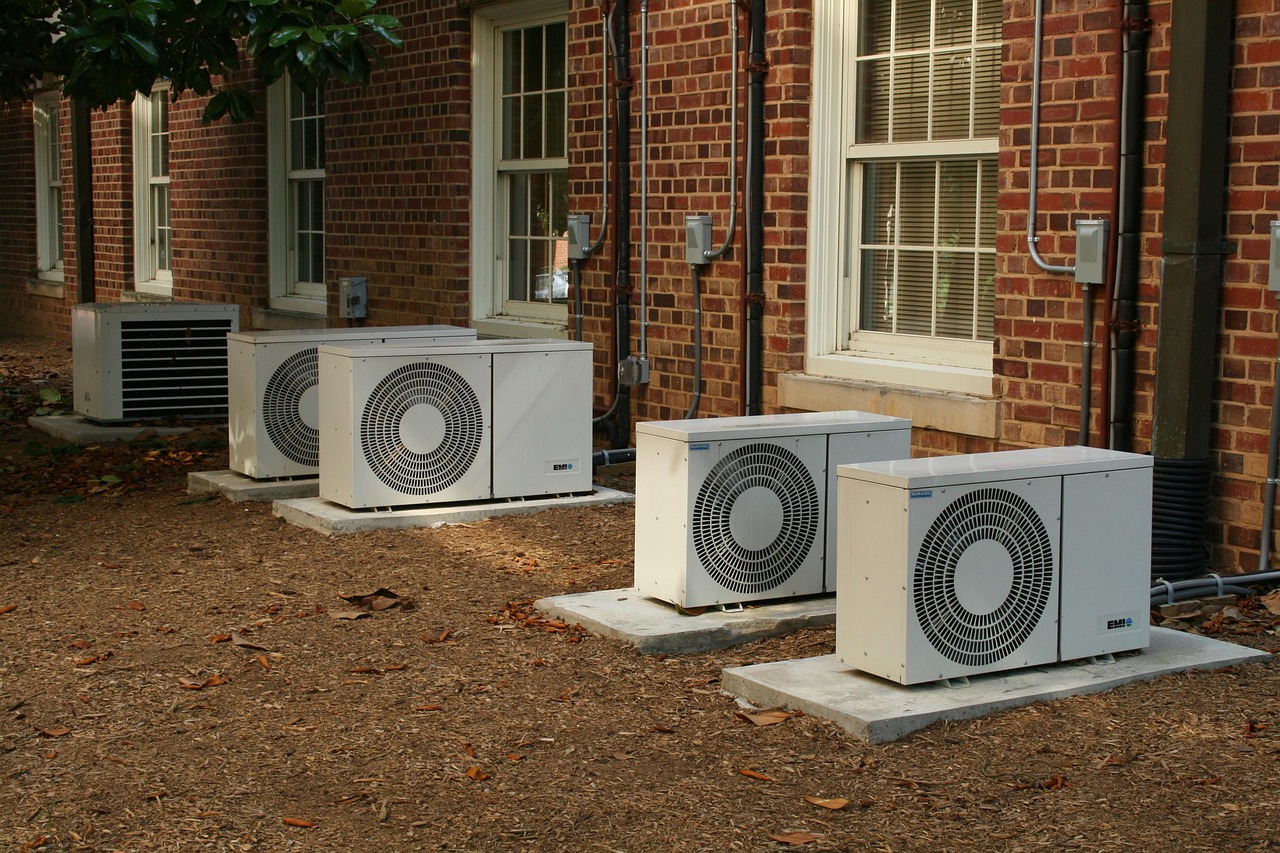
Air Conditioning Tune-up in Riverside, CA
Keeping your air conditioning system tuned and ready is essential in Riverside, CA, where long, hot summers, dusty inland conditions, and occasional wildfire smoke put extra stress on HVAC equipment. A seasonal Air Conditioning Tune-up in Riverside, CA reduces the risk of breakdowns during peak heat, improves efficiency, and helps maintain indoor air quality—critical for homes here where AC runs for extended periods.
Common air conditioning problems in Riverside homes
Riverside’s climate and local conditions contribute to a predictable set of AC issues you’re likely to see:
- Clogged filters and reduced airflow from dust, pollen, and ash after wildfire events.
- Dirty outdoor coils and restricted condensers due to dust and debris carried by Santa Ana winds.
- Low refrigerant or leaks that reduce cooling capacity during sustained high temperatures.
- Electrical component stress (capacitors, contactors) from frequent on/off cycles on extremely hot days.
- Reduced indoor air quality from poor filtration when systems run continuously.
Recognizing these patterns helps prioritize preventive care before comfort or cost become problems.
What a seasonal tune-up includes (checklist)
A professional AC tune-up follows a consistent checklist designed to catch small problems before they become failures:
- Filter inspection and replacement – verify filter type and condition; recommend and install higher-efficiency filters if appropriate.
- Coil cleaning (evaporator and condenser) – remove buildup that reduces heat transfer and efficiency.
- Refrigerant level check – measure pressures to confirm charge and identify potential leaks.
- Electrical connection and component inspection – tighten connections, test capacitors, contactors, and breakers for safe operation.
- Thermostat calibration – confirm setpoint accuracy and fan/setting operation; recommend programmable or smart upgrades when helpful.
- Airflow and duct inspection – measure supply and return airflow, check for obvious duct leaks, obstructions, or disconnected runs.
- Blower and motor checks – test motor amperage and blower wheel balance to ensure proper circulation.
- Condensate drain inspection and clearing – verify drainage and clean traps to prevent clogs and water damage.
- System performance test – verify temperature split, run-time cycles, and overall cooling capacity under load.
- Safety controls and documentation – inspect safety switches and provide a written report with recommendations.
How the diagnostic process works
A quality tune-up combines visual inspection, basic measurements, and operational testing:
- Start with a walk-around to inspect the outdoor unit, clear debris, and note external damage.
- Turn the system on and monitor starting behavior, run sound, and cycle times.
- Measure refrigerant pressures and suction/discharge temperatures to evaluate charge and heat transfer.
- Check electrical draw on motors and compressors to detect failing components.
- Measure airflow at vents and compare to expected values for the system.
- Document findings, prioritize necessary repairs, and estimate impacts on efficiency or expected runtime.
This methodical approach ensures you understand both immediate needs and long-term recommendations.
Repairs and solutions commonly performed during tune-ups
When issues are found, typical solutions include:
- Replacing worn air filters and advising on filter MERV levels for Riverside air quality concerns.
- Cleaning evaporator and condenser coils to restore efficiency and capacity.
- Tightening or replacing electrical connectors, capacitors, and contactors that are failing.
- Clearing or repairing condensate drains and overflow switches to avoid water damage.
- Sealing accessible duct leaks and recommending further ductwork evaluation when needed.
- Locating refrigerant leaks and repairing lines before a controlled recharge if necessary.
Technicians prioritize repairs that restore safe, reliable operation and preserve system life.
Benefits of routine maintenance in Riverside, CA
Regular tune-ups deliver measurable advantages for Riverside homeowners:
- Improved efficiency and lower energy bills because clean coils and correct refrigerant levels reduce runtime.
- Reduced risk of breakdowns during heat waves since weakened components are identified and corrected before failure.
- Extended equipment life by minimizing motor stress and compressor wear.
- Better indoor air quality—especially important here when wildfire smoke or high pollen events occur.
- Warranty protection—many manufacturers require documented maintenance to keep warranties valid.
Taken together, these benefits lower total ownership costs and provide dependable comfort when it matters most.
Recommended frequency and membership plan structure
For Riverside conditions, the common recommendation is:
- Pre-summer tune-up (spring) — most important to prepare for hot weather and high run-time.
- Post-summer or fall check — catch any heat-season wear and prepare the system for milder months.
Many homeowners choose a maintenance membership that provides priority scheduling and preventative coverage. Typical plan tiers include: - Basic Tune-up – seasonal inspection, filter check, basic cleaning, and performance documentation.
- Comprehensive Tune-up – full checklist, coil cleaning, refrigerant level check, electrical testing, and duct inspection.
- Priority Maintenance Membership – two tune-ups per year plus priority scheduling, diagnostic fee waivers, and discounts on repairs.
These plans are structured to match different needs and give predictable ongoing care without surprises.
How preventive service appointments are handled
Scheduling a preventive appointment generally follows a straightforward process:
- Appointments are booked within seasonal windows to ensure service before peak usage.
- Prepare by clearing access to the indoor and outdoor units and noting any recent performance changes or noises.
- Technicians bring tools to measure electrical draw, refrigerant pressures, airflow, and coil cleanliness, and they provide a written report at the end of the visit.
- Typical tune-ups take between 45 minutes and 2 hours depending on system complexity and findings.
This predictable routine minimizes disruption while maximizing reliability.
Homeowner maintenance tips between tune-ups
Small actions between professional visits keep systems running well:
- Replace disposable filters regularly (monthly-to-quarterly depending on filter type and local dust).
- Keep the outdoor unit clear of plants, leaves, and debris.
- Use shade and proper insulation to reduce AC load.
- Monitor energy use and room temperatures for early signs of trouble.
- Watch for unusual sounds, short cycling, or rising energy bills—these are signals a professional check is needed.
Regular, documented tune-ups tailored for Riverside’s climate protect comfort, reduce operating costs, and extend equipment life. A seasonal Air Conditioning Tune-up in Riverside, CA addresses the specific challenges our inland weather poses, giving homeowners predictable performance during the hottest months of the year.
Customer
Testimonials
Our customers consistently praise the exceptional service and professionalism of our team. They appreciate the honest advice, meticulous work, and the care taken to ensure their satisfaction.

.webp)
Service Areas
