

An air conditioning tune‑up in La Cañada Flintridge provides a comprehensive seasonal maintenance check designed to restore efficiency, prevent midseason breakdowns, and improve indoor air quality. The service covers filter inspection, coil cleaning, refrigerant checks, electrical inspections, thermostat calibration, duct assessment, condensate cleaning, and performance testing. Regular tune‑ups reduce energy use, extend system life, and boost reliability during peak heat. Packages range from Basic to Comprehensive, with timing recommendations and a clear on‑site, written maintenance summary for easy reference purposes.

Air Conditioning Tune-up in La Cañada Flintridge, CA
Keeping your air conditioning performing reliably through warm Los Angeles summers starts with a professional seasonal tune‑up. An Air Conditioning Tune-up in La Cañada Flintridge, CA focuses on restoring efficiency, preventing breakdowns during peak use, and improving indoor air quality — all important for homes facing hot, dry summers, canyon dust, and occasional wildfire smoke. Below is a clear, decision‑focused guide to what a tune‑up includes, the benefits, common local issues, recommended timing, package options, and exactly what to expect during a service visit.
Why a seasonal AC tune‑up matters in La Cañada Flintridge
La Cañada Flintridge homes contend with:
- Hot summer afternoons that push systems to work harder and increase wear.
- Fine dust, pollen, and leaf debris from nearby canyons that clog filters and condensing coils.
- Periodic wildfire smoke and ash that reduce indoor air quality and demand more frequent filter changes.
- Santa Ana wind events that carry particles into outdoor units, reducing heat transfer.
A properly performed tune‑up reduces the chance of midseason failure, lowers utility bills by improving efficiency, and helps keep your indoor air healthier for family members with allergies or respiratory concerns.
Typical seasonal tune‑up checklist
A comprehensive tune‑up follows a consistent checklist to inspect, clean, and test critical components:
- Filter inspection and replacement
- Check current filter condition, replace disposable filters or clean reusable ones
- Recommend filter type and replacement interval based on home conditions (pets, allergies, wildfire smoke)
- Evaporator coil and condenser coil cleaning
- Remove dirt and debris that reduce heat transfer and efficiency
- Straighten bent fins and ensure good airflow
- Condenser and area cleaning
- Clear leaves, dust, and debris around the outdoor unit
- Verify proper unit elevation and drainage to prevent clogging
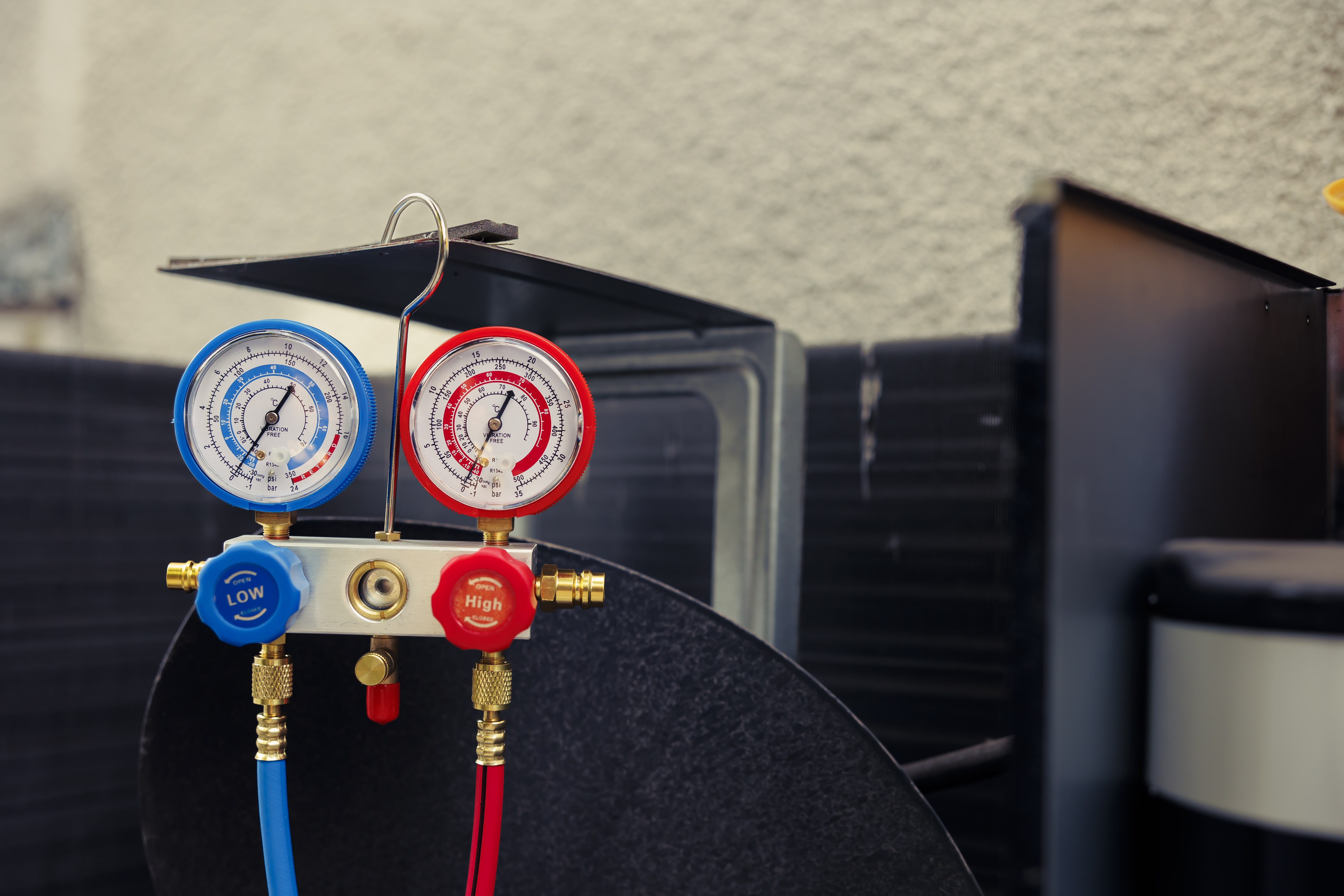
- Refrigerant level check
- Measure operating pressures to confirm correct refrigerant charge
- Identify signs of leaks or inefficient cooling
- Electrical system inspection
- Tighten connections, inspect capacitors, relays, and contactors
- Test for signs of overheating or wear that could cause failures
- Thermostat calibration and controls check
- Confirm thermostat accuracy and proper cycling
- Optimize settings for comfort and efficiency
- Lubrication of moving parts
- Lubricate fan motors and bearings where applicable to reduce friction and noise
- Airflow and duct assessment
- Measure airflow and inspect supply and return openings
- Look for duct leaks, obstructions, or dirty registers that compromise performance
- Condensate drain cleaning
- Clear drain lines and pan to prevent backups, odors, and microbial growth
- Performance testing
- Measure temperature split, run times, and system efficiency under load
- Provide a documented performance summary and recommendations
Benefits you can expect
- Improved energy efficiency — Clean coils and proper refrigerant charge lower energy use and reduce cooling costs.
- Greater reliability during peak heat — Early detection of worn parts prevents emergency failures.
- Longer system life — Routine maintenance reduces wear and extends equipment lifespan.
- Better indoor air quality — Fresh filters and clean coils cut airborne particles and allergens.
- Safer operation — Electrical inspections reduce fire risk and identify failing components.
Common AC problems in La Cañada Flintridge and how a tune‑up helps
- Clogged filters and reduced airflow from canyon dust and pollen — resolved by inspection and replacement.
- Dirty outdoor coils from debris and ash — cleaned to restore heat rejection.
- Thermostat inaccuracies after seasonal changes — recalibrated for correct cycling.
- Refrigerant leaks revealed by low charge readings — identified so repairs can be recommended.
- Electrical wear from frequent cycling in hot spells — tightened and replaced parts to prevent failures.
- Drain backups causing odors or water damage — cleared and treated.
Recommended frequency and timing
- Annual full tune‑up: At a minimum, schedule a tune‑up once per year, ideally in early spring before the cooling season to ensure peak performance when temperatures rise.
- Semi‑annual for high demand homes: Homes with pets, smokers, wildfire smoke exposure, or heavy use may benefit from two tune‑ups per year — spring and mid‑summer.
- New or warranty systems: Follow manufacturer recommendations; professional seasonal checks help maintain warranty coverage and optimized performance.
Service packages (what each level typically includes)
- Basic Inspection
- Filter check and replacement
- Visual inspection of outdoor unit and thermostat
- Basic safety checks and customer report
- Standard Tune‑up
- All Basic items plus coil and condenser cleaning
- Refrigerant level check
- Electrical inspection and lubrication
- Performance testing and recommendations
- Comprehensive Maintenance
- All Standard items plus duct airflow assessment
- Condensate system deep clean
- Detailed diagnostics for older systems
- Priority documentation for maintenance history
Note: Package names and content may vary. Packages are structured to match system age, household needs, and local environmental factors like canyon dust and wildfire smoke exposure.
What to expect during your tune‑up visit
- Arrival and safety protocols: The technician will arrive in a scheduled window, perform a quick safety check, and assess the outdoor and indoor units.
- Initial system review: Technician will ask about recent symptoms, thermostat settings, and any unusual noises or smells.
- Step‑by‑step service: Work typically takes 60 to 90 minutes for standard systems. The tech will follow the checklist: replace filters, clean coils, check refrigerant, inspect electricals, lubricate, clear drains, and test performance.
- Transparent findings: You will receive a written summary of what was inspected, test results, recommended repairs or upgrades, and any parts that may need attention soon.
- Record keeping: Service visits are documented for your maintenance history, which helps with warranties and future diagnostics.
Regular seasonal tune‑ups are a practical investment for La Cañada Flintridge homes where summer heat, canyon dust, and occasional wildfire smoke increase system strain. A professional tune‑up restores efficiency, reduces operating costs, improves comfort, and protects your air quality. Schedule tune‑ups in spring, tailor the package to your household needs, and maintain consistent documentation to maximize system life and reliability.
Customer
Testimonials
Our customers consistently praise the exceptional service and professionalism of our team. They appreciate the honest advice, meticulous work, and the care taken to ensure their satisfaction.

.webp)
Service Areas
