

An air conditioning tune-up in Inglewood, CA provides proactive maintenance to prevent mid-summer breakdowns, restore efficiency, and extend equipment life. The service follows a detailed checklist covering filters, coils, refrigerant, electrical safety, thermostat calibration, lubrication, airflow, drainage, performance testing, and a written recommendations report. Technicians diagnose issues through history review, measurements, and safety checks, with typical calls lasting 45 minutes to 2 hours. Regular maintenance plans emphasize annual spring tune-ups, optional fall/seasonal visits, and documented service records.

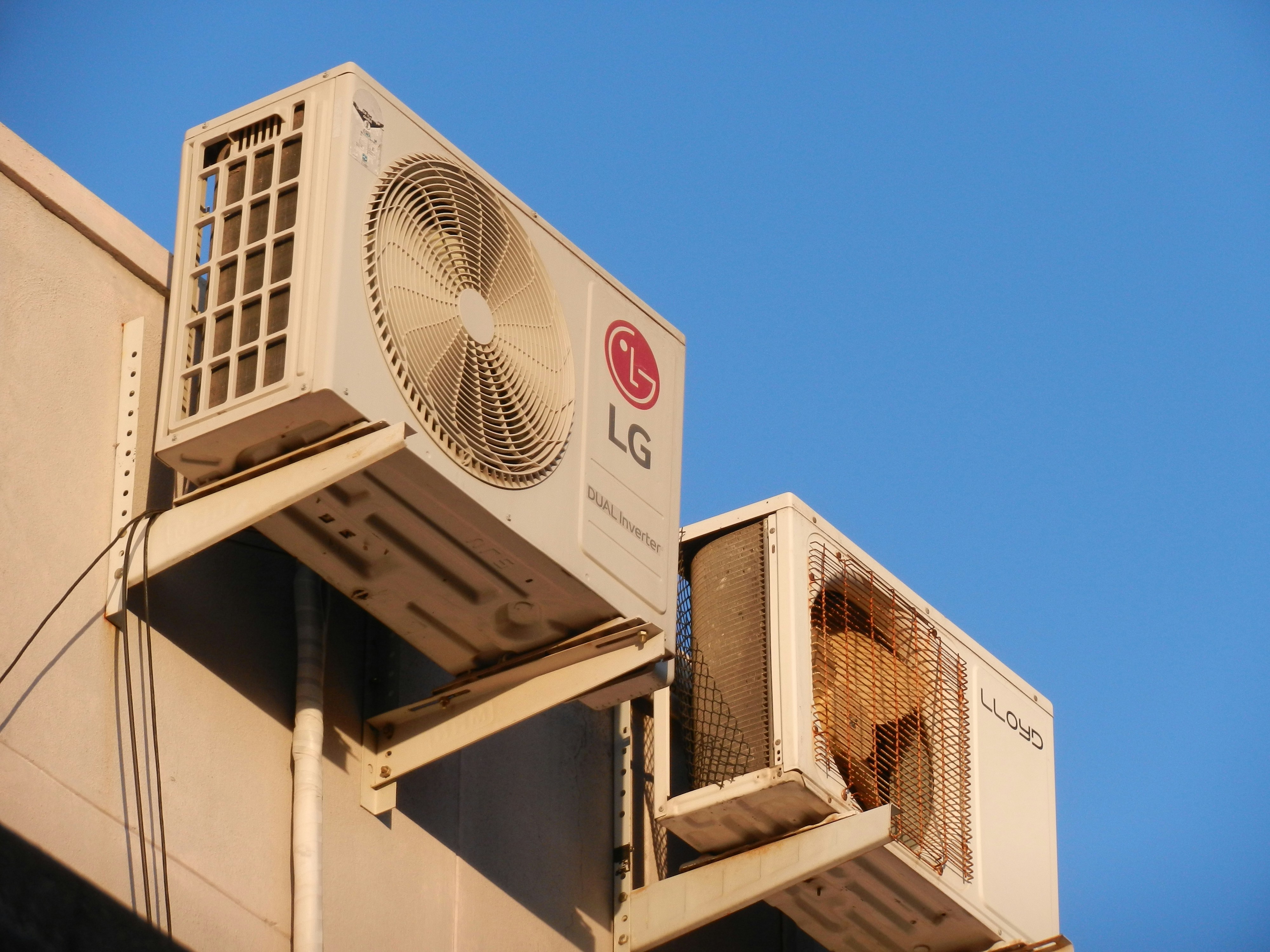
Air Conditioning Tune-up in Inglewood, CA
Keeping your air conditioning performing reliably through long, warm Inglewood summers starts with a professional seasonal tune-up. An Air Conditioning Tune-up in Inglewood, CA targets the small problems that lead to mid-summer breakdowns, restores system efficiency, and helps you get the most from your equipment while lowering running costs. Below is a clear, expert guide to what a tune-up includes, how technicians diagnose issues, common local problems, recommended maintenance frequency, and practical tips for arranging preventative service in Inglewood.
What a Seasonal Air Conditioning Tune-up Includes
A thorough tune-up follows a consistent checklist so nothing is missed. Typical items include:
- Filter inspection and replacement: Check the condition and type of filter; replace or recommend higher-MERV options if indoor air quality is a concern.
- Coil cleaning (evaporator and condenser): Remove dirt and debris that reduce heat transfer and force the system to run longer.
- Refrigerant level check: Measure pressures and check for signs of leaks or low charge that reduce cooling capacity.
- Electrical and safety inspections: Test capacitors, contactors, breakers, wiring connections, and safety switches to prevent failures or hazards.
- Thermostat calibration and controls check: Verify accurate temperature sensing and proper communication with the system.
- Lubrication of moving parts: Lubricate fan motors and bearings where applicable to reduce wear and noise.
- Airflow verification: Measure static pressure and airflow delivery; inspect blower wheel and duct registers for blockages.
- Drain line and pan inspection/flush: Clear condensate lines to prevent backups and mold growth.
- System performance test: Run the system through a full cycle to verify correct operation, measure temperature split, and note runtime behavior.
- Written report and recommendations: Document findings, safety concerns, and any repair suggestions for your records.
Why Tune-ups Matter for Inglewood Homes
Inglewood’s climate and urban environment make tune-ups especially important:
- Summers are long and can stress systems with many continuous cooling hours.
- Urban dust, pollen, and occasional construction debris increase filter and coil buildup.
- Morning marine layer and intermittent humidity can lead to condensate and corrosion issues over time.
- Higher regional energy costs mean restoring system efficiency has a noticeable impact on monthly bills.
A timely tune-up reduces the likelihood of an emergency repair during peak heat and helps maintain comfort without wasting energy.
Common Air Conditioning Tune-up Issues in Inglewood
Technicians frequently find the following during tune-ups in the area:
- Dirty condenser coils and restricted airflow from clogged filters.
- Low refrigerant due to slow leaks, resulting in reduced cooling and longer runtimes.
- Worn capacitors or contactors that cause hard starting or intermittent operation.
- Thermostat miscalibration leading to temperature swings or excessive cycling.
- Blocked condensate drains and moldy drain pans causing odors or leaks.
- Aging blower motors or belts that reduce airflow and efficiency.
Identifying these problems early prevents higher-cost repairs and unexpected system failures.
Diagnostic Process: What Technicians Do During a Tune-up
A professional tune-up follows a methodical diagnostic flow:
- Initial system history and visual inspection: Note system age, past repairs, and visible damage.
- Filter and airflow check: Replace filters as needed and confirm adequate airflow at supply registers.
- Electrical testing: Measure voltages, currents, and inspect wiring for safety and function.
- Refrigerant and pressure checks: Evaluate refrigerant charge and look for indicators of leaks.
- Coil cleaning and condenser area clearing: Remove vegetation, dirt, and debris near the outdoor unit.
- Operational performance test: Record temperatures and run efficiency checks while the system cycles.
- Safety checks and documentation: Ensure all safety controls operate correctly and provide a written summary of findings.
Typical tune-ups take between 45 minutes and 2 hours depending on system size and condition.
Repairs and Solutions Commonly Recommended After Tune-ups
A tune-up may reveal items that require repair or replacement rather than routine maintenance. Common solutions include:
- Sealing or repairing small refrigerant leaks and recharging to proper levels if needed.
- Replacing capacitors, contactors, belts, or worn motors to restore reliable operation.
- Cleaning or replacing coils when buildup is extensive.
- Adjusting thermostat placement or recommending upgrades for better control and efficiency.
- Flushing and repairing condensate drains or replacing pans showing corrosion.
- Recommending duct sealing or insulation where poor airflow or energy loss is detected.
These actions reduce emergency callouts and help maximize system lifespan.
Recommended Frequency and Maintenance Plans
For most Inglewood homes the recommended schedule is:
- Annual professional tune-up in spring: Prepare the system before the cooling season.
- Additional fall or mid-season service for older or heavily used systems: If your unit is over 10-12 years old or runs nearly year-round, consider a second check.
- Monthly filter checks: Replace or clean filters more frequently in dusty conditions or with pets.
Many homeowners choose a preventive maintenance plan that includes scheduled annual visits, priority scheduling during peak months, and documented service records. When evaluating plans, focus on what services are included, technician credentials, and clear documentation of work performed.
How to Arrange Preventative Maintenance and What to Expect
When arranging preventative maintenance in Inglewood, use this checklist to get reliable service without surprises:
- Confirm the technician’s HVAC certification and local licensing if required.
- Ask for a written tune-up checklist that mirrors the items listed above so you know what will be inspected.
- Verify whether filter replacement, coil cleaning, and refrigerant checks are included in the tune-up.
- Expect a written report at the end describing findings, safety issues, and recommended repairs.
- Prepare your home by clearing around the outdoor unit and ensuring easy access to indoor components.
- Plan for the technician to need 45–120 minutes; complex systems or repairs take longer.
This approach makes booking straightforward and ensures you receive consistent, documented maintenance.
Long-term Benefits and Final Notes
Regular air conditioning tune-ups help Inglewood homeowners reduce energy consumption, minimize the risk of mid-summer breakdowns, extend system life, and improve indoor comfort and air quality. Given Inglewood’s warm climate and urban conditions, preventative maintenance is a cost-effective step to protect comfort and budget across every cooling season.
Routine tune-ups provide both peace of mind and measurable performance gains—important considerations for any homeowner aiming to avoid emergency repairs and keep utility bills under control.
Customer
Testimonials
Our customers consistently praise the exceptional service and professionalism of our team. They appreciate the honest advice, meticulous work, and the care taken to ensure their satisfaction.

.webp)
Service Areas
