

Precise Air Systems (FERGUSON) offers air conditioning tune-ups in Burbank, CA as a proactive, seasonal service that protects comfort and system longevity. Our checklists cover filters, coils, refrigerant, thermostats, belts, electrical safety, and airflow, identifying minor issues before breakdowns occur. Regular maintenance improves system efficiency, reduces energy use, extends equipment life, and enhances indoor air quality. We outline local conditions, recommended frequency, available maintenance plans, and practical tips to keep systems performing reliably through Santa Ana winds and dusty summers.

Air Conditioning Tune-up in Burbank, CA
A seasonal air conditioning tune-up is one of the simplest, most effective ways to keep your home comfortable through Burbank summers while minimizing breakdown risk and energy waste. Regular preventive maintenance addresses the wear and tear that comes from heavy cooling loads in the San Fernando Valley, reduces indoor dust and smoke impacts, and extends the life of your system. This page explains what a typical AC tune-up includes, common AC issues in Burbank homes, the performance benefits of routine service, recommended frequency, what to expect during a tune-up visit, membership plan options, and practical maintenance tips tailored to local conditions.
Why a tune-up matters for Burbank homes
Burbank sees hot, sunny summers and occasional dry Santa Ana winds that carry dust and wildfire smoke into the Valley. These local conditions increase strain on air conditioners and cause filters and coils to clog more quickly. A neglected system works harder, costs more to run, and is more likely to fail on the hottest days when you need it most. A seasonal tune-up helps prevent emergency repairs, improves indoor air quality, and keeps cooling efficiency high when energy demand is greatest.
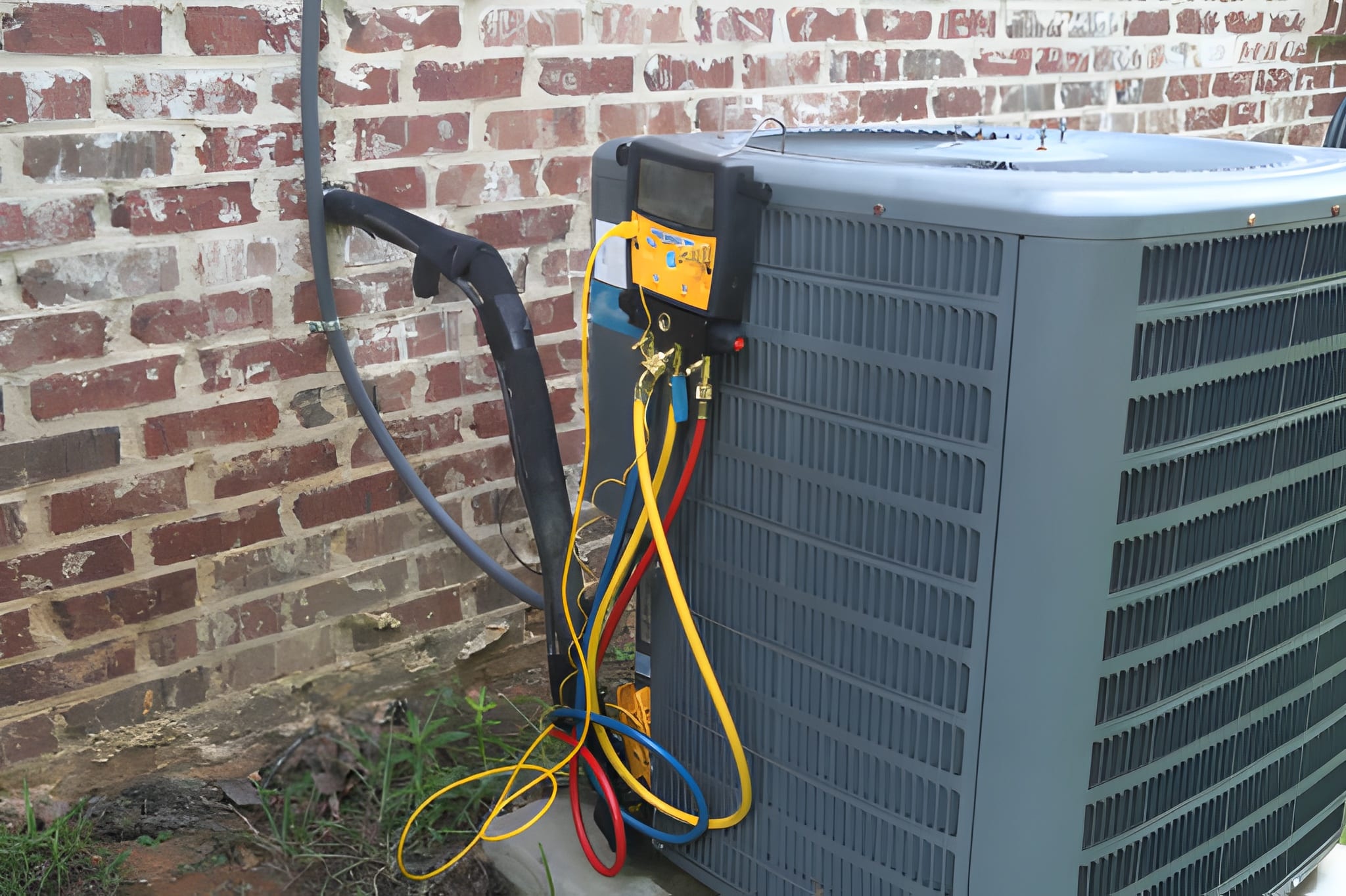
Typical AC tune-up checklist
A thorough tune-up follows a systematic checklist so technicians can find small issues before they become major problems. Most professional tune-ups include:
- Filter inspection and change - Replace or clean disposable and reusable filters to restore airflow and filtration efficiency.
- Coil cleaning - Clean evaporator and condenser coils to improve heat transfer and prevent icing or reduced cooling capacity.
- Refrigerant check - Inspect refrigerant levels and look for signs of leaks; proper refrigerant charge is essential for efficient operation.
- Thermostat verification and calibration - Confirm the thermostat reads accurately and communicates correctly with the system for balanced comfort.
- Belt and motor shaft inspection - Check belts, pulleys, and motor shafts for wear, alignment, and lubrication to avoid noisy or failing components.
- Electrical and safety tests - Inspect wiring, connections, capacitors, relays, and safety controls to reduce fire risk and prevent sudden breakdowns.
- Blower and airflow assessment - Measure blower performance and static pressure to ensure proper airflow and identify duct restrictions or blockages.
- Drain line and pan cleaning - Clear condensate drains and inspect drain pans to prevent water damage and microbial growth.
- System performance test - Measure temperature split and run the system through an operational test to confirm proper cooling output.
What technicians look for and why it matters
During a tune-up, technicians do more than follow a checklist. They diagnose the root causes of inefficiency or noise and document key operating measurements. For example, a dirty coil reduces cooling capacity and can make the compressor run longer, shortening its life. Low refrigerant can indicate a leak that will damage components if left unrepaired. Loose electrical connections can cause intermittent failures and pose safety hazards. Addressing these items during preventive service saves time and money compared with emergency repairs.
Performance and efficiency benefits
Regular tune-ups deliver measurable homeowner benefits:
- Improved cooling performance and faster recovery from heat events
- Better energy efficiency and lower monthly cooling costs
- Fewer unexpected breakdowns during peak heat
- Longer equipment life and delayed replacement expenses
- Cleaner indoor air through effective filtration and reduced dust on coils
- Safer operation by catching electrical and refrigerant issues early
In Burbank, where AC systems often run for extended periods in summer, these benefits add up quickly and help avoid inconvenience during high-temperature days.
Recommended frequency
For most residential systems, a professional tune-up once per year is the minimum recommendation. Many homeowners in Burbank schedule maintenance in spring before the heavy cooling season begins. Homes with high usage, pets, or significant dust and pollen exposure may benefit from a second check mid-season. If the system is older or under warranty, follow manufacturer recommendations which often call for annual professional service.
Membership and seasonal maintenance plans
Many service providers offer seasonal maintenance plans that bundle tune-ups and priority scheduling, plus routine filter replacements on a recurring basis. These plans are structured to encourage timely maintenance and can reduce administrative hassle for homeowners who prefer set service windows each year. Plans typically include the standard tune-up checklist, documented inspection reports, and discounts on repairs if issues are found during a visit. Specific terms vary by provider.
Common AC problems seen in Burbank and how tune-ups help
- Clogged filters and dusty coils from valley dust and smoke: Tune-ups include filter replacement and coil cleaning to restore efficiency.
- Reduced cooling capacity during heat waves: Refrigerant checks and airflow diagnostics identify causes of poor performance.
- Frequent cycling or short cycling: Thermostat calibration and electrical testing find control issues or failing components.
- Noisy operation or vibration: Belt and motor inspections locate worn parts before catastrophic failure.
- Drain clogs and water staining: Drain line cleaning and pan inspection prevent water damage and mold.
What to expect during a seasonal tune-up visit
A professional technician will typically:
- Arrive with tools and parts required for standard maintenance
- Conduct a visual and operational inspection with safety checks
- Perform the checklist items above, documenting findings and measurements
- Explain observed issues in plain language and recommend next steps if repairs are needed
- Leave a report of work completed and any maintenance tips for the homeowner
Technicians should be prepared to discuss how local conditions like pollen season or smoke events have affected the system and suggest adjustments to filter type or service interval.
Homeowner maintenance tips between tune-ups
- Change disposable filters every 1 to 3 months during heavy use; check more frequently during smoke events.
- Keep outdoor condenser units clear of debris, leaves, and landscaping growth to maintain airflow.
- Use ceiling fans and shade to reduce cooling load when possible.
- Keep thermostat setpoints reasonable to avoid overworking the system; programmable thermostats can optimize runtime.
- Watch for signs that indicate professional service is needed: reduced cooling, unusual noises, visible refrigerant oil, or water pooling near the unit.
Closing notes on timing and seasonal planning
For Burbank homes, scheduling a professional tune-up in early spring ensures the system is ready for peak temperatures and helps prevent common local issues related to dust and smoke. For higher-use households or older systems, consider an additional mid-summer check to sustain performance. Regular preventive maintenance is an investment in reliability, efficiency, and indoor comfort that pays off over the life of the system.
Customer
Testimonials
Our customers consistently praise the exceptional service and professionalism of our team. They appreciate the honest advice, meticulous work, and the care taken to ensure their satisfaction.

.webp)
Service Areas
