

Air conditioning repair in West Hollywood, CA provides fast, reliable service to restore your cooling system efficiently. Skilled technicians diagnose issues such as refrigerant leaks, electrical faults, compressor failure, and airflow restrictions, offering clear repair options and transparent pricing. Emergency and same-day repairs are available, with safety protocols and licensed expertise ensuring dependable results. The service also includes warranty guidance, refrigerant compliance, and a pre-service checklist to help homeowners prepare for accurate diagnostics and smooth, timely repair completion.

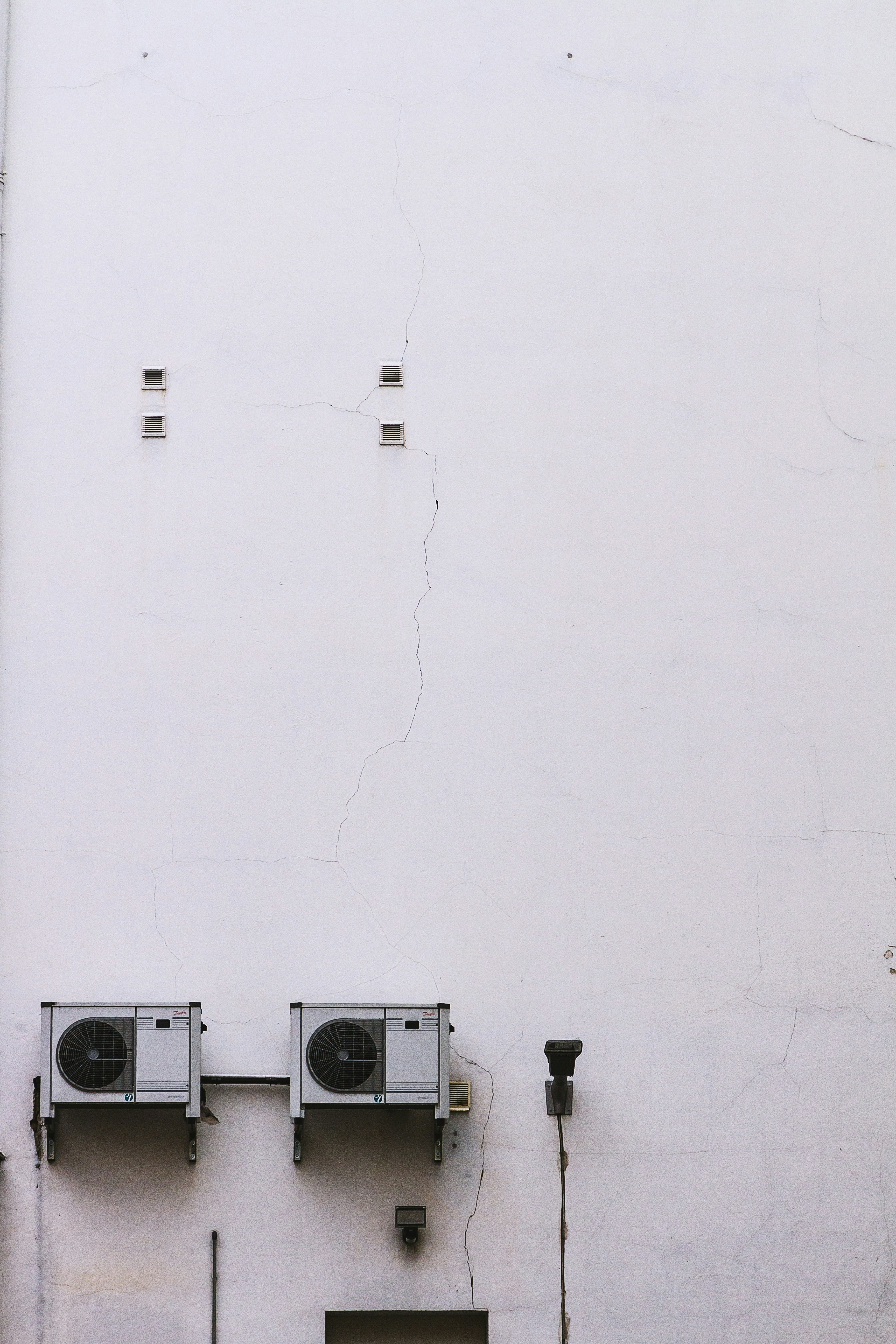
Air Conditioning Repair in West Hollywood, CA
Keeping your air conditioning running reliably is essential for comfort and safety in West Hollywood homes, where summer heat spikes, dense urban housing, and older building systems increase the likelihood of mid-season breakdowns. This page explains common AC failure symptoms, how professional diagnostics are performed, emergency response expectations and timelines, parts and warranty considerations, pricing models, technician qualifications and safety protocols, and what to have ready when you need urgent service in West Hollywood, CA.
Why timely air conditioning repair matters in West Hollywood
West Hollywood experiences warm summers, occasional heat waves and substantial daytime cooling loads in apartments and single-family homes alike. Delaying repair can worsen component damage, drive up energy use, and leave vulnerable household members exposed to heat-related risks. Local building factors — older split systems, rooftop condensing units on multi-family buildings, and access challenges — make prompt, properly licensed service especially important.
Common air conditioning failure symptoms in West Hollywood
Know the usual signs so you can identify issues early:
- No cooling or reduced cooling: Compressor not engaging, refrigerant loss, or poor airflow.
- Frozen evaporator coils: Often caused by restricted airflow or low refrigerant.
- Compressor problems: Humming, tripping breakers, or failure to start.
- Refrigerant leaks: Hissing sounds, oily residue, or rapid loss of cooling.
- Strange noises: Rattling, grinding or loud buzzing indicating loose parts, motor or fan issues.
- Short cycling: Unit turns on and off frequently — can point to electrical, thermostat or sizing issues.
- Bad odors: Musty or burning smells that require immediate attention for indoor air quality or electrical hazards.
Diagnostic procedures: what a professional will do
A thorough diagnosis isolates the root cause and prevents unnecessary repairs. Typical steps include:
- Visual inspection of the indoor and outdoor units for obvious damage, debris, or coil blockage.
- Airflow checks using static pressure or simple measurements to detect duct or filter restrictions.
- Electrical testing of capacitors, contactors, relays and breakers to pinpoint starting or power issues.
- Refrigerant system checks including pressure readings with gauges and temperature split measurements to detect leaks or undercharge.
- Leak detection using electronic sniffers, UV dye, or nitrogen pressure testing depending on the system and suspected leak.
- Thermostat and control verification to confirm correct setpoints, wiring and communication.
- Compressor evaluation including amp draw testing to determine health and remaining life.
Technicians document findings and typically present a scope of repairs and options before doing any work.
Emergency response and typical repair timelines
What counts as an emergency in West Hollywood: loss of cooling during a heatwave, strong burning or electrical odors, visible refrigerant leaks, or a system that trips breakers repeatedly.
Typical timelines to expect:
- Minor repairs (capacitor, contactor, capacitor replacement, filter/coil cleaning): often same-day to next day, depending on part availability.
- Refrigerant leaks & recharge: leak detection and repair can be same-day for simple leaks; complex leaks in concealed coils may take longer and require multiple visits.
- Compressor or condenser motor replacement: commonly completed within 1–3 business days if parts are in stock; special-order parts can extend timing.
- Major repairs or system replacement: planning, permits and equipment delivery can take several days to weeks depending on unit availability, building access and permit requirements in the City of West Hollywood.
Many local technicians prioritize emergency heat-related calls during summer peaks; expect scheduling constraints during extreme heat events.
Parts, refrigerant rules and warranty information
- Parts availability: Common parts for popular brands are frequently stocked regionally; older or imported models may require special-order parts and longer lead times.
- OEM vs aftermarket: OEM parts match manufacturer specs and maintain factory warranties; high-quality aftermarket parts can be cost-effective but may carry different warranty terms.
- Refrigerant regulations: California follows federal rules on refrigerants. R-22 is phased out; many older units require conversion or full system replacement to use modern refrigerants. EPA 608 certification is required for refrigerant handling.
- Warranties: Typical manufacturer parts warranties vary widely (from 1 year to multiple years depending on the component). Labor warranties for repairs commonly range from several months to a year. Always check what is covered and whether warranties require certified installation.
Flat-rate vs hourly pricing guidance
Understanding pricing models helps set expectations:
- Flat-rate pricing is common for defined jobs (compressor replacement, condenser fan motor, refrigerant recharge) and provides predictable costs for standard repairs.
- Hourly pricing may apply for complex diagnostics, troubleshooting where the cause is unknown, or for jobs requiring additional coordination (multi-unit access, scaffolding).
- Estimates and transparency: A reliable technician will provide a written estimate that separates parts, labor, permit costs and potential additional fees for access in multi-unit buildings common in West Hollywood.
Technician qualifications and safety protocols
Qualified technicians bring certifications and safe practices:
- Licensing and certifications: Valid California contractor license (C-20 HVAC) and EPA Section 608 refrigerant certification are essential. Manufacturer-specific certifications (Carrier, Trane, etc.) and NATE certification are additional indicators of competency.
- Safety protocols: Technicians should use lockout/tagout, electrical isolation, proper PPE, and refrigerant recovery equipment. For work in multi-family or rooftop settings, fall protection and building access coordination are required. Proper handling of refrigerants and disposal of replaced components protects occupants and meets environmental regulations.
- Local knowledge: Experienced West Hollywood technicians understand building, parking and HOA constraints, Title 24 energy requirements and local permitting processes.
What to have ready when requesting urgent service (useful checklist)
To speed response and help the technician diagnose quickly, have the following ready:
- Address and best access instructions (entry codes, parking, rooftop access).
- Unit make, model and approximate age (if available).
- Clear description of symptoms and when they started.
- Any recent events (power outages, alarm codes, unusual sounds or smells).
- Photos or short videos of the outdoor unit, air handler, and the breaker panel.
- Whether pets, stairs or elevator access are involved.
Safety tips while you wait for repair
- If you smell burning, switch off the breaker to the AC and ventilate if safe.
- If you suspect a refrigerant leak (chemical or solvent odor), leave the area and ventilate the space.
- Use fans and temporary shading to reduce indoor temperatures; prioritize the safety of infants, elderly or medically vulnerable occupants.
- Avoid DIY electrical or refrigerant work; incorrect repairs can create fire, environmental and safety hazards.
Timely, professional air conditioning repair in West Hollywood prevents minor faults from becoming major failures and helps maintain efficiency, indoor comfort and compliance with local codes and refrigerant regulations. Use the checklist above to prepare for urgent service and expect a clear diagnostic process, transparent pricing options, and licensed technicians following modern safety standards.
Customer
Testimonials
Our customers consistently praise the exceptional service and professionalism of our team. They appreciate the honest advice, meticulous work, and the care taken to ensure their satisfaction.

.webp)
Service Areas
