

Professional air conditioning repair in Torrance, CA delivers fast diagnostics and dependable solutions tailored to coastal conditions. Technicians address corrosion-related issues, refrigerant performance, electrical faults, and airflow problems to restore system efficiency. Services include detailed inspections, safety checks, same-day repair options, and transparent pricing. Each repair is completed to meet local standards for long-term reliability and comfort in Torrance homes.

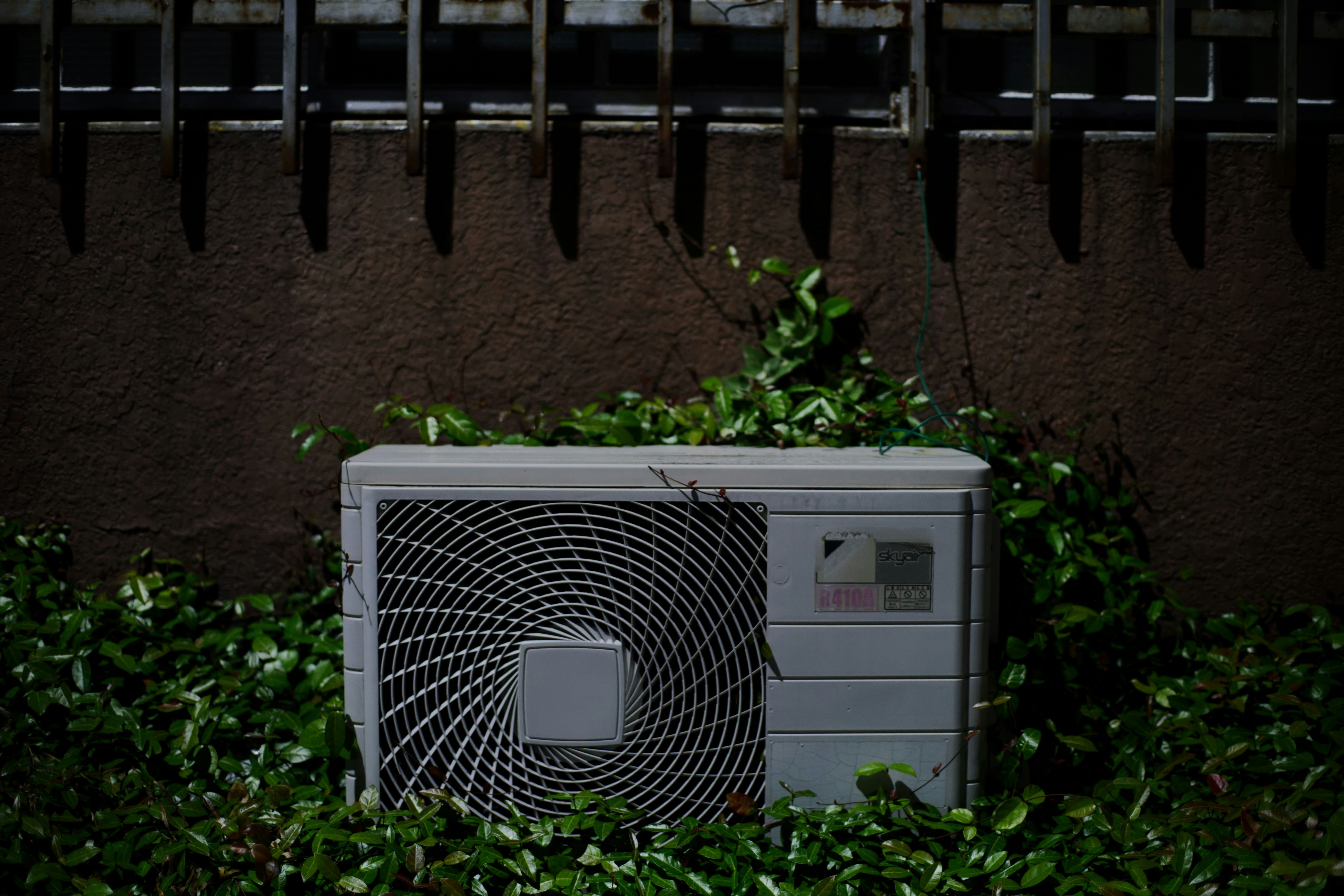
Air Conditioning Repair in Torrance, CA
Keeping your home comfortable year-round in Torrance means having a dependable air conditioning system that responds to coastal humidity, occasional heat waves, and the corrosive effects of salty air. This page explains what to expect from professional air conditioning repair in Torrance, CA: fast-response diagnostics, the most common failure modes in local systems, the step-by-step troubleshooting and repair workflow, parts replacement policies, emergency and after-hours options, technician certifications, typical repair timelines, pricing considerations, and practical instructions for booking service.
Why timely AC repair matters in Torrance homes
Torrance’s mild climate can hide developing AC problems until a hot afternoon makes them urgent. Salt-laden coastal air accelerates corrosion on outdoor units and electrical connections, which increases the risk of compressor failures and refrigerant leaks. Addressing faults early preserves efficiency, prevents larger failures, and improves indoor comfort and air quality — important for homes and condos near the coast.
Common AC problems in Torrance and what causes them
Homeowners in Torrance frequently encounter a predictable set of issues. Knowing these helps set expectations and speeds diagnosis.
- Compressor failure: Often caused by age, electrical stress from corroded connections, or long run-times during heat events. A failing compressor can cause the system to run but not cool.
- Refrigerant leaks: Corrosion of coils and fittings, physical damage, or failed brazed joints can lead to leaks. Older systems using R-22 refrigerant may incur higher replacement costs.
- Electrical faults: Corroded terminals, failed capacitors, relays, or control board problems are common in coastal environments.
- Airflow issues: Restricted return vents, clogged filters, or blocked condenser coils reduce cooling capacity and strain components.
- Thermostat and control failures: Loose wiring, calibration drift, or smart thermostat connectivity problems can mimic HVAC faults.
- Drainage and condensation problems: Clogged condensate drains or damaged pans can cause overflow, leading to water damage or system shutdowns.
Diagnostic and repair workflow — step by step
Professional repair follows a clear diagnostic-first process to isolate the root cause and protect you from unnecessary costs.
- Pre-visit preparation
- Technician confirms system make, model, and symptoms. For Torrance homes, they’ll note outdoor placement and visible corrosion risk.
- On-site assessment and safety checks
- Visual inspection of the condenser, evaporator coil, air handler, filters, ductwork, electrical connections, and thermostat.
- Verify power, breaker status, and perform basic safety checks.
- Instrumented testing
- Measure refrigerant pressures, superheat/subcooling, voltage and amperage, airflow, and temperature splits.
- Use leak detection tools when refrigerant loss is suspected.
- Diagnosis and estimate
- Technician explains the findings in plain language, lists recommended repairs or replacements, and provides an itemized estimate including parts, labor, and expected timelines.
- Authorization and repair
- With approval, repairs proceed. Common same-visit repairs include capacitor or contactor replacement, filter and drain clearing, and minor refrigerant top-offs if permitted.
- Validation and cleanup
- System is tested for proper operation, safety, and performance. Documentation of work performed, replaced parts, and recommendations for follow-up maintenance is provided.
Parts replacement policies and warranties
Repair policies should prioritize safety, performance, and code compliance.
- OEM vs aftermarket parts: Certified technicians will explain benefits and availability of OEM parts versus compatible aftermarket components and the warranty differences for each.
- Estimates and approvals: Major component replacements — compressors, coils, or circuit boards — are quoted in advance and require homeowner approval before work proceeds.
- Warranty coverage: Parts typically carry manufacturer or installer warranties. Any applicable warranty terms should be documented and explained at the time of estimate.
- Refrigerant handling: Refrigerant recovery and disposal follow EPA regulations. Older refrigerants such as R-22 may be phased out or subject to higher costs; technicians will discuss options including retrofit or full system replacement when appropriate.
Emergency and after-hours service
AC failure during an unexpected heat spike is disruptive. Reputable repair services offer emergency and after-hours support tailored to urgent needs in Torrance. Emergency response prioritizes safety risks (electrical hazards, leaking refrigerant, or flooding) and provides fast-response diagnostics to stabilize the system until full repairs can be completed. Expect clear communication about availability, potential after-hours fees, and realistic response timelines.
Technician qualifications and safety standards
Technicians working on AC systems in Torrance should maintain recognized certifications and follow safety protocols:
- EPA 608 certification for refrigerant handling.
- Manufacturer training for brand-specific systems.
- NATE certification or equivalent HVAC industry credentials.
- Proper local licensing and insurance coverage.
- Use of calibrated testing equipment and adherence to local electrical and building codes.
These credentials reduce risk, ensure correct repairs, and protect local homes from improper installations.
Typical repair timelines and what affects them
Repair durations vary depending on the issue:
- Diagnostic visit: 30 to 90 minutes for a thorough assessment.
- Minor repairs: Capacitors, contactors, filter and drain cleaning, and thermostat fixes are often completed the same day, typically within 1 to 3 hours.
- Major component replacement: Compressor or coil replacement can take 4 to 8 hours and may require ordering parts, extending completion to multiple days.
- Full system replacement: Planning, permitting, and installation can require several days to a few weeks depending on permit schedules and equipment lead times.
Local factors like parts availability in the Torrance area, seasonal demand, and coastal corrosion requiring specialty parts can influence timelines.
Pricing considerations and factors affecting cost
Transparent pricing is based on objective factors rather than flat rates alone:
- Age and condition of the system: Older systems may require more labor or obsolete parts.
- Type of refrigerant: Replacement or retrofitting from phased-out refrigerants affects cost.
- Parts required: OEM parts, compressor replacements, and coil work are larger cost drivers.
- Labor and access: Difficult-to-access equipment, attic or rooftop work, and multi-story buildings add labor time.
- Permits and local code compliance: Some replacements require permits and inspections that add to overall project cost.
- Emergency or after-hours service fees: Urgent calls outside normal hours typically carry premium rates.
A detailed, written estimate helps compare options and understand which repairs deliver lasting value versus recommending a system replacement.
Booking service — what to prepare and what to expect
When you arrange an air conditioning repair visit for your Torrance home, having a few details ready speeds the process and ensures an efficient first appointment:
- Provide system make, model, and approximate age if known.
- Describe symptoms clearly: noises, odors, reduced cooling, leaks, or cycling behavior.
- Note recent maintenance history and any prior repairs.
- Indicate outdoor unit location and any access constraints.
- Expect a confirmation call or message with an arrival window and the technician’s name. On arrival the technician will perform a diagnostic, present findings, and explain options.
In Torrance, CA, effective air conditioning repair balances fast, accurate diagnostics with experience addressing coastal-specific issues like corrosion and humidity-related performance loss. A transparent workflow, certified technicians, clear parts policies, and realistic timelines protect your home comfort and investment. Use the booking preparation steps above to ensure your first visit is focused on solving the problem efficiently.
Customer
Testimonials
Our customers consistently praise the exceptional service and professionalism of our team. They appreciate the honest advice, meticulous work, and the care taken to ensure their satisfaction.

.webp)
Service Areas
