

Air conditioning repair in Rialto, CA provides clear guidance on diagnosing common cooling problems, from refrigerant leaks and dirty coils to compressor failures and electrical faults. It explains the technician’s step-by-step process, outlines typical repairs, pricing models, and warranty considerations, and offers preventive maintenance tips tailored to Inland Empire summers. The page helps homeowners decide between repair and replacement by weighing system age, reliability, and energy efficiency, while outlining what to expect during service and aftercare.

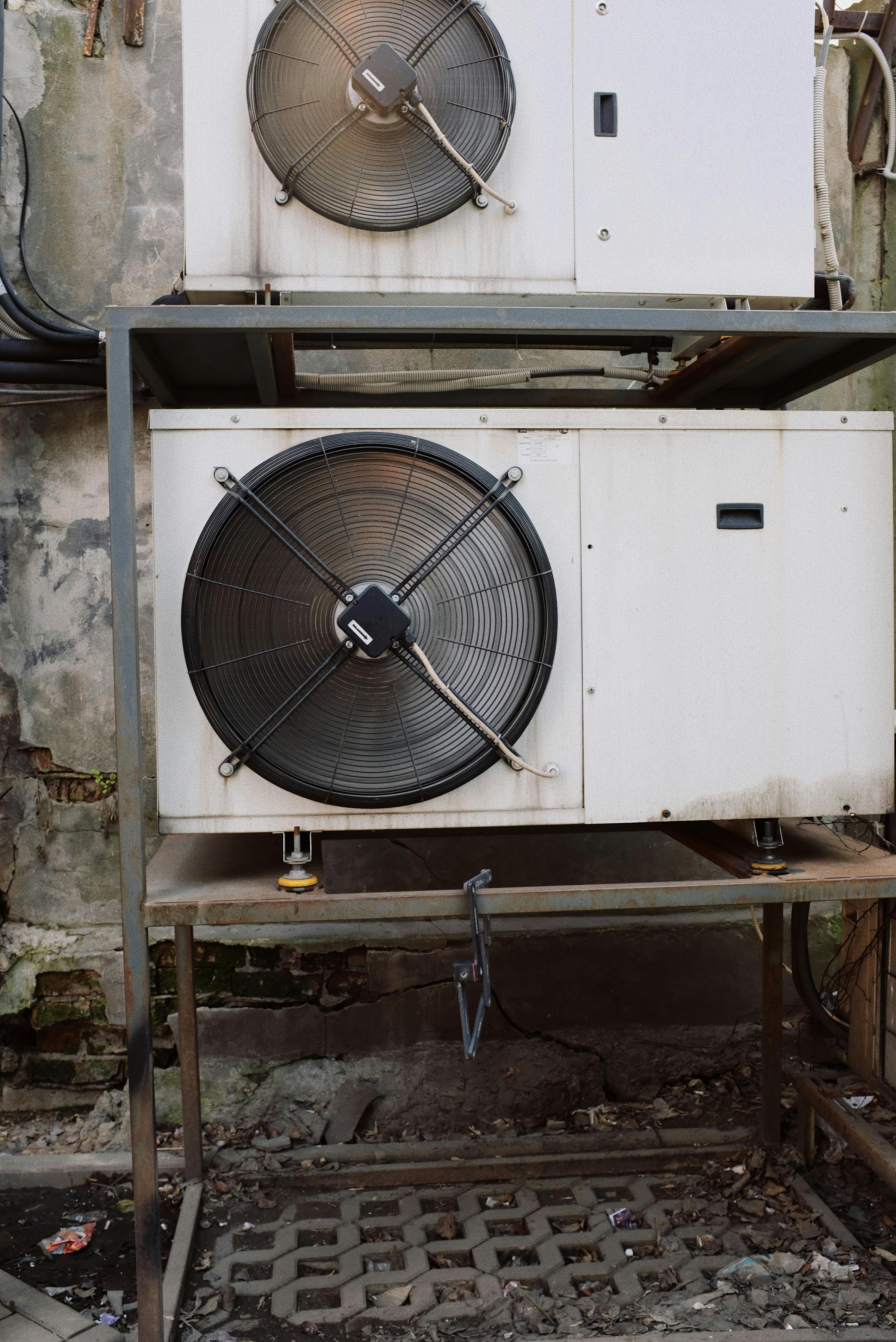
Air Conditioning Repair in Rialto, CA
When your air conditioner struggles during Rialto’s long, hot summers, comfort and safety become urgent priorities. Air Conditioning Repair in Rialto, CA explains common causes of breakdowns, how technicians diagnose problems, typical repairs (compressor, refrigerant leaks, electrical, blower motors, controls), emergency response expectations, pricing styles, parts and warranty details, and simple steps to reduce future failures. This page is for homeowners who need clear, expert guidance to decide on repairs and understand what to expect.
Why timely AC repair matters in Rialto
Rialto sits in the Inland Empire where summer temperatures frequently climb and systems run longer. That extra runtime increases wear on components, and local dust and heat cycles accelerate coil fouling and motor stress. Addressing AC problems quickly:
- Restores comfort and indoor air quality
- Prevents small issues (like a refrigerant leak) from turning into compressor failures
- Saves energy and reduces monthly bills
- Reduces risk of costly emergency replacements during peak heat
Common AC repair issues in Rialto, CA
Here are the most frequent problems technicians see in Rialto homes and how they present:
- Insufficient cooling — Unit runs but home stays warm. Causes: low refrigerant, dirty coils, failing compressor, blocked airflow.
- Compressor failure or short cycling — AC starts and stops frequently or won’t start at all. Often due to electrical issues, overheating, or age-related wear.
- Refrigerant leaks — System loses charge over time, reducing cooling capacity and causing ice on the evaporator coil.
- Electrical faults and control issues — Tripped breakers, faulty capacitors, relays, or thermostat failures that prevent reliable operation.
- Blower motor or fan problems — Poor airflow or strange noises from the blower indicates worn bearings, motor failure, or belt issues.
- Condensate drain clogs and water leaks — Clogged drains cause overflow, secondary water damage, or safety shutoffs.
- Strange noises or odors — Grinding, rattling, or burning smells signal mechanical or electrical problems that require immediate inspection.
How technicians diagnose AC problems
Technicians follow a systematic, transparent diagnostic process to identify root causes rather than guesswork:
- Initial system inspection — Visual check of indoor and outdoor units for obvious signs: debris, oil stains (leaks), damaged fins, loose panels.
- Thermostat and control check — Confirm correct settings, battery/communication issues, and control board operation.
- Electrical testing — Measure voltages, current draw, contactor operation, and test capacitors and relays to locate electrical faults.
- Refrigerant and pressure checks — Use gauges to verify refrigerant charge and detect abnormal pressure readings that point to leaks or restriction.
- Airflow and duct inspection — Measure temperature split, inspect filters, blower operation, and check ducts for leaks or blockages.
- Component testing — Evaluate compressor, capacitors, fan motors, and thermostatic expansion valves with targeted tests.
- Leak detection and tracing — Dye, electronic leak detectors, or nitrogen pressure testing to locate refrigerant leaks.
Diagnostics are explained in plain terms, and findings are presented with repair options and expected outcomes so you can make an informed decision.
Typical repairs explained
Below are common repairs Rialto homeowners should understand:
- Compressor repair or replacement
- The compressor is the system’s heart. Failures often require replacement rather than repair.
- Symptoms: unit won’t cool, high electrical draw, loud clunking noises.
- Replacement includes evacuating refrigerant, installing a matched compressor, and recharging to spec.
- Refrigerant leak repair
- Leaks are sealed and the system pressure tested. A proper repair prevents repeat loss and protects the compressor.
- After repair, the system is vacuumed and recharged to the manufacturer’s specification.
- Electrical component repairs
- Common fixes: replacing capacitors, contactors, relays, breakers, and addressing loose connections.
- Electrical issues present as intermittent operation, failure to start, or tripped breakers.
- Blower motor and fan repairs
- Repairs may involve lubrication, motor replacement, or balancing fan blades to restore airflow and reduce noise.
- Control and thermostat repairs
- Upgrading or recalibrating thermostats and replacing faulty control boards ensures accurate temperature control and reliable cycling.
- Drain and condensate maintenance
- Clearing clogs, repairing drain pans, and replacing float switches prevents water damage and nuisance shutoffs.
Emergency response and what qualifies
In Rialto’s peak heat, certain failures require immediate attention. Typical emergency conditions include:
- Complete loss of cooling during extreme heat
- Electrical burning smells or visible arcing
- Water leaking that threatens property damage
- System failures impacting medically vulnerable residentsIndustry-standard emergency response times vary; many services aim for same-day or within a few hours for urgent calls. Non-emergency repairs are often scheduled within 24–72 hours depending on parts availability and local demand.
Flat-rate vs itemized pricing; parts and warranty information
Understanding pricing models helps you compare repair proposals:
- Flat-rate pricing provides a single price for a specific repair (example: compressor replacement), which simplifies budgeting and avoids surprise labor charges.
- Itemized pricing lists parts and labor separately, giving transparency into part costs and work hours.Both approaches have merit; ask for clear documentation of parts, labor hours, and any permit needs.
Parts and warranty basics:
- OEM vs aftermarket parts — OEM parts match manufacturer specifications and often carry longer parts warranties. Aftermarket parts can be a cost-saving option but vary in warranty length.
- Typical warranty ranges — Parts warranties commonly range from 1 year to manufacturer-specified longer terms on specific components (compressors may carry multi-year warranties). Labor warranties are frequently 30–90 days; longer labor guarantees are possible depending on the provider.
- Documentation — A repair estimate should list warranty terms for each part and labor coverage, and note any conditions (e.g., proper maintenance required).
Preventive maintenance and tips for Rialto homeowners
Proactive care reduces breakdowns and extends system life in Rialto’s climate:
- Schedule seasonal tune-ups — A spring inspection optimizes performance before heavy summer use.
- Change filters monthly or per manufacturer recommendations — Clean filters improve airflow and efficiency during dusty Inland Empire conditions.
- Keep the outdoor unit clear — Trim plants, remove debris, and clean coils to prevent overheating and poor airflow.
- Shade the condenser when practical — Avoid direct, prolonged sun on the outdoor unit without restricting airflow; shading can lower operating temperature slightly.
- Use programmable thermostats — Reducing runtime when home is unoccupied lowers wear.
- Address small issues promptly — Unusual sounds, rising energy bills, or inconsistent cooling are early warning signs.
- Seal and insulate ductwork — Leaky ducts can make the system work harder and increase runtime in hot months.
Final notes on decision-making
When evaluating repair vs replacement, consider system age, repair frequency, efficiency gains from a new system, and refrigerant type (older refrigerants phased out may influence options). In Rialto, timely repairs and seasonal maintenance deliver the best balance of comfort, cost control, and reliability under heavy summer loads. Clear diagnostics, transparent pricing (flat-rate or itemized), and documented parts and labor warranties help homeowners make confident, informed decisions about their Air Conditioning Repair in Rialto, CA.
Customer
Testimonials
Our customers consistently praise the exceptional service and professionalism of our team. They appreciate the honest advice, meticulous work, and the care taken to ensure their satisfaction.

.webp)
Service Areas
