

Air Conditioning repair in Rancho Cucamonga, CA delivers fast, diagnostic-led service to restore comfort and protect home systems. Technicians perform onsite inspections, airflow and electrical tests, refrigerant checks, and safety reviews to pinpoint causes and present transparent repair plans. Common tasks include compressor, capacitor, refrigerant, and thermostat work, with decisions guided by system age and value. Warranties, clear estimates, and predictable pricing accompany repairs. Proactive maintenance and timely upgrades help prevent breakdowns during hot Inland Empire summers.

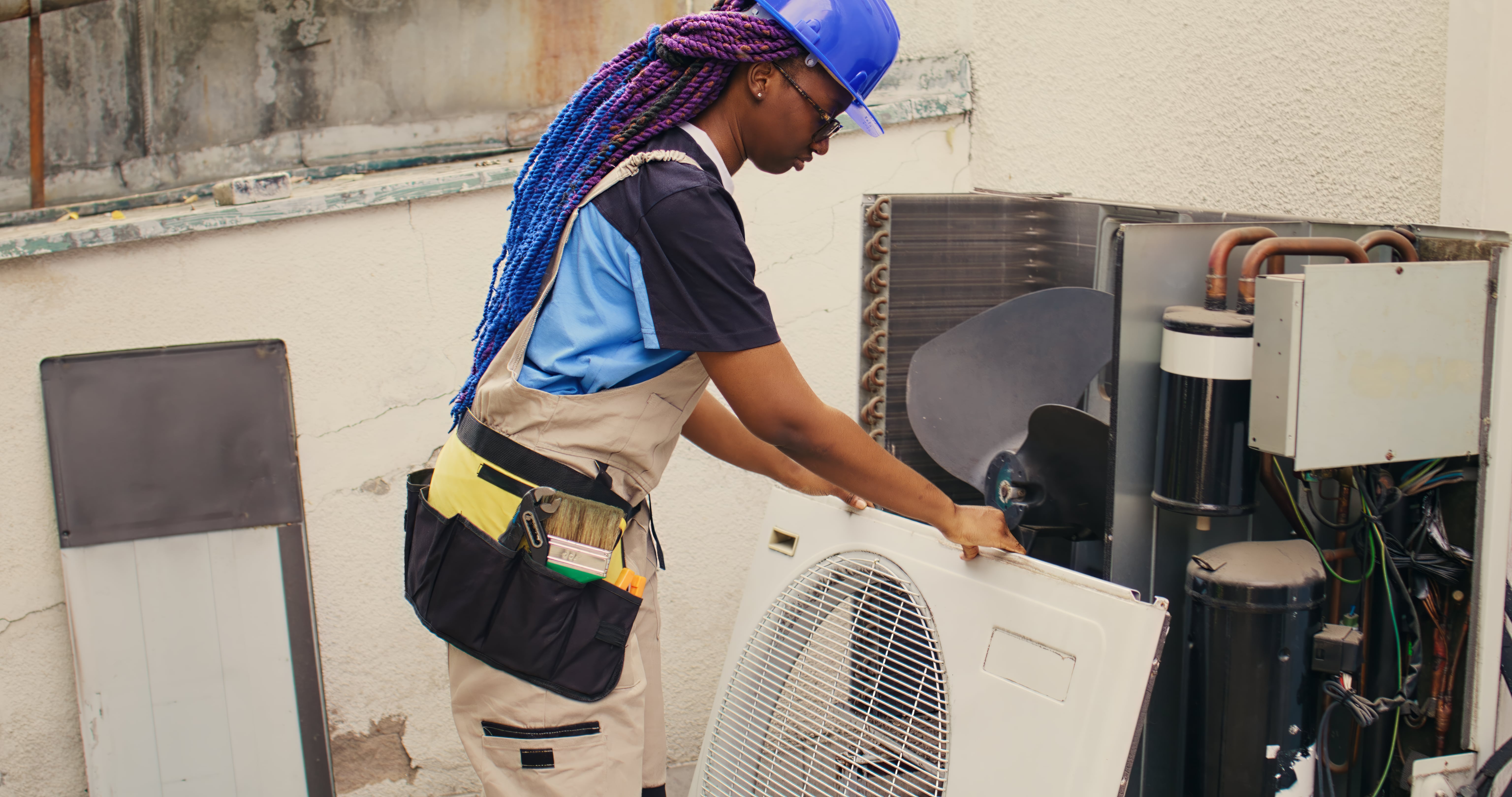
Air Conditioning Repair in Rancho Cucamonga, CA
When your air conditioner fails in Rancho Cucamonga, CA, the consequences are immediate: uncomfortable indoor temperatures, poor air quality, and potential damage to other home systems. Air conditioning repair in Rancho Cucamonga, CA focuses on identifying the root cause quickly and restoring reliable cooling with minimal disruption. Because Inland Empire summers are hot and dry and Santa Ana winds and wildfire smoke increase dust and particulates, systems here see heavy seasonal strain—making timely, expert diagnosis and repair especially important.
Common AC failure symptoms in Rancho Cucamonga homes
Recognizing early symptoms helps prevent complete breakdowns. Watch for:
- No cooling or significantly reduced cooling output even when the system runs
- Weak or inconsistent airflow from vents
- Unit short-cycling (turning on and off frequently)
- Loud or unusual noises from the condenser or furnace (clanking, grinding, hissing)
- Strong or foul odors when the system runs (moldy, burning, or chemical smells)
- Water pooling around indoor equipment or clogged condensate drains
- Tripped breakers or electrical issues at the outdoor unit
- Higher-than-normal humidity inside the home
These signs are common AC repair issues in Rancho Cucamonga and often result from refrigerant leaks, worn electrical components, dirty coils and filters, or failing mechanical parts after years of heavy use.
Onsite diagnostic procedures: what to expect
A systematic onsite diagnosis separates simple fixes from major repairs and provides a transparent repair plan:
- Visual inspection: technician checks the outdoor unit, indoor air handler, filter condition, duct connections, and thermostat settings.
- Airflow and temperature checks: measure supply and return temperatures and airflow to determine performance loss.
- Electrical testing: verify capacitors, contactors, relays, fuses, wiring, and breaker behavior with a multimeter.
- Refrigerant assessment: pressure testing and leak detection (electronic detectors or dye) to identify low refrigerant or leaks.
- Mechanical evaluation: inspect compressor, fan motor, belts (if present), and bearings for wear or damage.
- Safety and drainage checks: test condensate lines, float switches, and drain pans to prevent water damage.
- System controls check: confirm thermostat communication and control board operation.
After diagnostics you should receive a clear explanation of findings, prioritized repair options, and a written estimate outlining parts and labor.
Typical repair tasks explained
Repair needs vary by symptom and system age. Common tasks include:
- Compressor repair or replacement
- The compressor is the heart of the outdoor unit. Failures are serious and often justify replacement of the outdoor section or entire system depending on age and efficiency.
- Capacitor and contactor replacement
- Capacitors and contactors wear from repeated starts and electrical stress. Replacing these commonly restores startup reliability and efficiency.
- Refrigerant recharge and leak repair
- Low refrigerant causes poor cooling. Technicians locate and repair leaks, then recharge to manufacturer specifications—important for performance and code compliance.
- Electrical repairs
- Replace burnt wiring, relays, breakers, and service disconnects. Electrical issues can cause intermittent operation or safety hazards.
- Fan motor and blower repairs
- Motors suffer from worn bearings or electrical faults. Repairs or replacements restore proper airflow and reduce noise.
- Control board and thermostat repairs
- Faulty controls cause unpredictable behavior. Replacing boards or recalibrating thermostats resolves communication and cycling issues.
- Condensate and drain repairs
- Clearing blocked drain lines and replacing faulty float switches prevents water damage and mold growth.
- Coil cleaning and minor duct repairs
- Dirty evaporator or condenser coils reduce efficiency. Coil cleaning and sealing duct leaks improve cooling and reduce energy costs.
Technicians typically assess whether repairs or replacement provide better long‑term value based on system age, estimated repair cost, and overall efficiency.
Parts and labor warranties — what’s typical
Industry-standard warranty practices provide consumer protection:
- Parts warranties commonly range from 1 to 5 years depending on the component and manufacturer. Major components like compressors may carry longer parts warranties.
- Labor warranties for repairs typically range from 30 to 365 days, covering workmanship on the specific repair performed.
- Written warranty documentation should specify what is covered, exclusions (e.g., preexisting conditions, improper maintenance), and steps for claim handling.
When evaluating repair options, review warranty terms for clarity on parts coverage, labor duration, and whether diagnostic fees apply to subsequent service.
Expected response times for urgent breakdowns
Rancho Cucamonga’s summer heat makes rapid response important. Locally, homeowners can reasonably expect:
- Emergency/urgent response: many providers aim to respond same day for urgent breakdowns—often within 4 to 24 hours depending on call volume and time of day.
- Non-urgent repairs: scheduled diagnostic and repair visits typically occur within 1 to 3 business days.Response time can vary by season and provider availability; plan ahead in late spring or early summer when demand peaks.
Transparent pricing and estimates
Transparent pricing practices give homeowners confidence:
- Written estimates itemize parts and labor, distinguishing one-time diagnostic fees (often applied toward repairs) from the repair cost.
- Estimates should present repair options with pros and cons, including estimated repair life expectancy versus replacement considerations.
- Where applicable, pricing can be structured as flat-rate repair charges or time-and-materials with clear hourly labor rates and parts markup disclosures.
- Clear explanations of potential additional costs (e.g., inaccessible parts, refrigerant reclamation, or asbestos/old-duct handling) reduce surprises.
Expect a clear, written scope of work before any repair begins.
Tips to avoid future failures in Rancho Cucamonga
Regular maintenance reduces emergency repairs and extends system life—especially valuable in Rancho Cucamonga’s climate:
- Replace or clean air filters every 1 to 3 months during heavy use seasons.
- Schedule biannual tune-ups: spring for cooling system checks, fall for heating checks if you have a heat pump or gas furnace.
- Keep outdoor units clear of debris, plants, and dust; a shaded compressor runs more efficiently.
- Clean condensate lines seasonally and check for pooling water.
- Monitor refrigerant charge and address minor leaks early to avoid compressor damage.
- Install and maintain surge protection to protect electronic controls during electrical storms and grid fluctuations.
- Consider upgrading older systems before failure when frequent repairs start to outweigh efficiency gains from a new unit.
Air conditioning repair in Rancho Cucamonga, CA requires timely, localized expertise because of the region’s high cooling demands, dust and smoke exposure, and seasonal peaks. A clear diagnostic process, transparent written estimates, appropriate parts and labor warranties, and routine maintenance can restore comfort quickly and reduce the risk of repeat failures. Properly handled repairs extend equipment life and keep indoor environments comfortable and healthy throughout hot Inland Empire summers.
Customer
Testimonials
Our customers consistently praise the exceptional service and professionalism of our team. They appreciate the honest advice, meticulous work, and the care taken to ensure their satisfaction.

.webp)
Service Areas
