

Air conditioning maintenance in Woodland Hills, CA offers proactive service to reduce breakdown risk, improve efficiency, and protect indoor air quality for homes and businesses. Comprehensive plans typically include twice-yearly inspections, coil cleaning, duct and filter checks, electrical safety assessments, refrigerant and pressure checks, thermostat calibration, and detailed service logs. Regular preventative care helps prevent mid-summer failures, extends equipment life, supports warranties, and delivers prioritized scheduling, discounted parts, and proactive upgrades tailored to Woodland Hills’ hot, dusty climate.

Air Conditioning Maintenance in Woodland Hills, CA
Keeping your air conditioning running reliably in Woodland Hills, CA is about more than convenience. With long, hot summers, seasonal Santa Ana winds, and periodic wildfire smoke, homes and businesses in the San Fernando Valley face higher cooling loads and more airborne contaminants than many other Southern California neighborhoods. Regular, professional AC maintenance reduces breakdown risk, improves efficiency, documents system health, and saves money over the life of the equipment.
Why AC maintenance matters in Woodland Hills
- Higher cooling demand during extended summer heat increases wear on compressors and fans.
- Dust, pollen, and smoke from wildfires clog filters and coils faster, reducing airflow and capacity.
- Older homes and commercial rooftops often need duct sealing and rooftop unit attention to avoid energy loss.
- Preventative maintenance prevents mid-summer failures when outdoor temperatures and service demand peak.
What comprehensive AC maintenance plans include
Maintenance agreements for Woodland Hills customers generally bundle scheduled inspections with prioritized service and documented records. Typical plan components:
- Scheduled inspections twice a year (spring and fall) timed before peak cooling and after heavy-use seasons.
- Cleaning of condenser and evaporator coils, condensate drains, and outdoor unit areas.
- Airflow and duct leak checks, including basic duct sealing recommendations.
- Electrical safety inspections: contactors, capacitors, breakers, and wiring integrity.
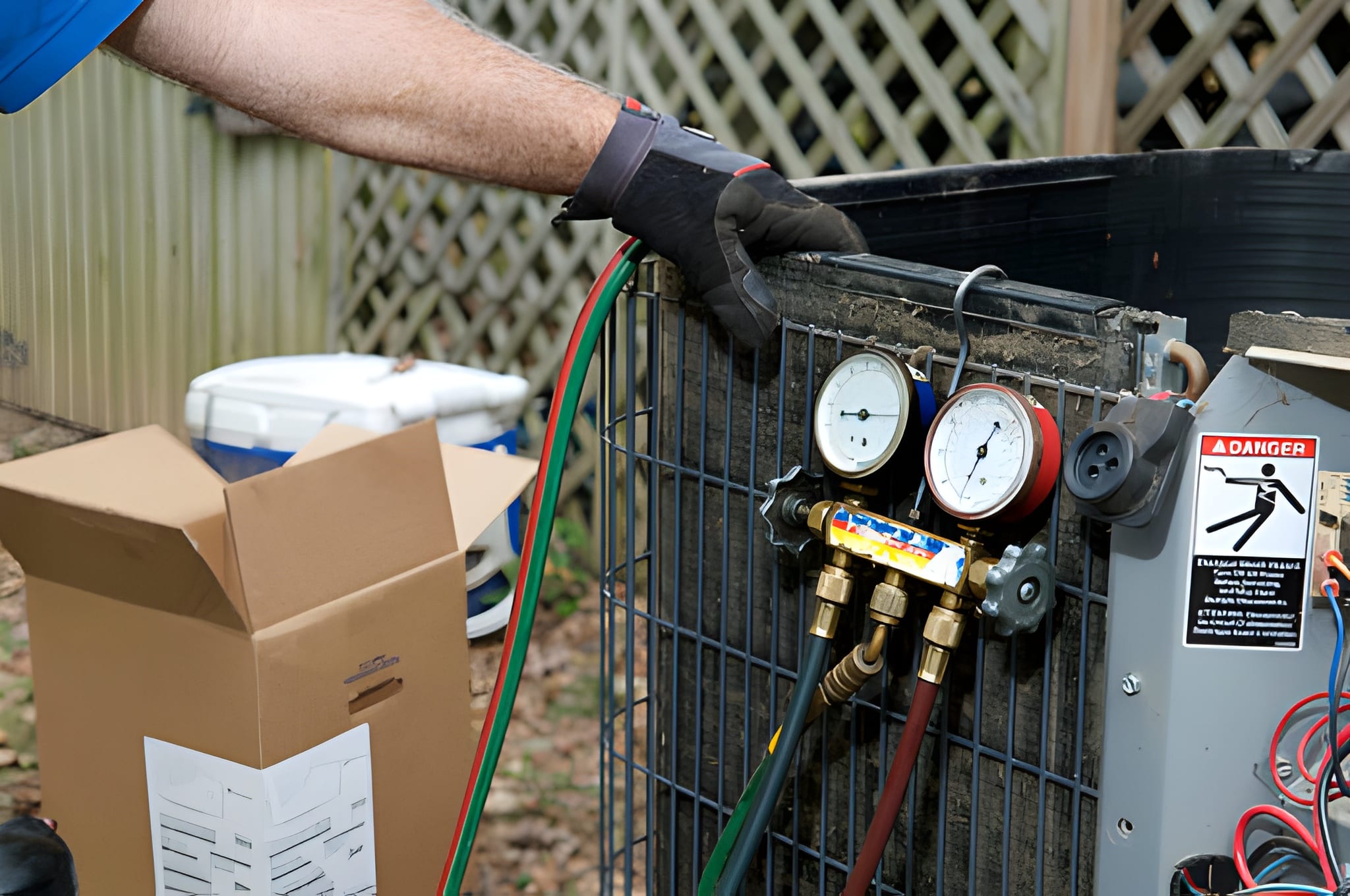
- Refrigerant level and pressure checks to detect leaks and verify proper charge.
- Thermostat calibration and control system checks.
- Fan, belt, and motor lubrication or replacement as needed.
- Filter inspection and replacement according to agreed schedule or indoor air quality needs.
- Documentation of all work performed and a maintenance log for each unit.
Common AC maintenance issues in Woodland Hills, CA
Residents and property managers frequently encounter:
- Reduced airflow from clogged filters and dirty coils after wildfire smoke events or dusty winds.
- Refrigerant leaks from aging systems stressed by long cooling seasons.
- Condensate drain clogs causing water damage or microbiological growth.
- Outdoor unit obstruction by landscaping or debris blown in by winds.
- Electrical component failure after repeated cycling during heat waves.
- Uneven cooling due to duct leaks or poor attic insulation.
Scheduled inspections and the standard checklist
A professional biannual inspection in Woodland Hills should cover:
- Visual safety and performance check of indoor and outdoor units.
- Measure refrigerant pressures and superheat/subcooling.
- Test electrical components and motors under load.
- Clean coils and clear condensate lines.
- Verify airflow and check return/supply grilles.
- Inspect and document filter condition and replace per plan.
- Check thermostat settings and programmable schedules.
- Record any signs of corrosion, leaks, or unusual vibrations/noises.
Filter and component replacement schedules
- Filters: For typical homes, replace standard filters every 1 to 3 months. If wildfire smoke, pets, or high dust are factors, move to higher-efficiency filters or replace monthly. Consider MERV-rated filters appropriate for your system and indoor air quality needs.
- Coils and condensate components: Clean at least annually; more often if smoke or heavy dust is present.
- Capacitors, contactors, and motors: Inspect at each visit; replace worn components proactively to avoid failures.
- Belts and moving parts: Inspect every 6 months when present; replace on visible wear or per manufacturer recommendation.
Documentation of service history
A detailed maintenance agreement will include a service log for each visit:
- Date and time of service, technician notes, measurements taken, and replaced parts.
- Photographs or diagnostic printouts when relevant.
- Recommendations and projected timelines for part replacements or upgrades.
This documentation helps with warranty compliance, resale value, and tracking equipment life in Woodland Hills homes and commercial properties.
Priority scheduling and member benefits
Maintenance agreements usually offer member advantages that reduce downtime and stress during peak seasons:
- Priority scheduling during heat waves and busy periods, shortening response times.
- Discounted parts and labor for covered systems, lowering repair costs for members.
- Flexible scheduling to align inspections with seasonal needs in Woodland Hills.
- Preemptive alerts for needed upgrades before failure, especially important for commercial properties with operating hour constraints.
Preventative measures to extend equipment life and reduce breakdowns
- Maintain a consistent filter replacement routine and upgrade filter efficiency when wildfire smoke is present.
- Keep outdoor units clear of leaves, soil, and landscaping; provide at least 2 feet of clearance.
- Shade outdoor units where practical to reduce heat soak, but avoid blocking airflow.
- Insulate and seal ducts in attics to prevent energy loss common in older Valley homes.
- Use programmable thermostats to reduce runtime when spaces are unoccupied.
- Schedule professional inspections before and after high-use seasons to catch issues early.
Residential vs commercial maintenance options
- Residential programs: Typically include two tune-ups per year, filter management plans, and prioritized emergency service. Plans emphasize indoor air quality and efficient operation for single-family homes, condos, and multiunit residences.
- Commercial programs: Scaled frequency and scope, with rooftop units, packaged systems, chillers, and building automation systems included. Commercial agreements often add compliance checks, HVAC sequencing verification, preventative parts replacement schedules, and service windows aligned with business operations.
Why regular AC maintenance is a smart choice for Woodland Hills property owners
Routine maintenance reduces the likelihood of costly mid-summer breakdowns, improves energy efficiency in a climate that demands heavy cooling, and protects indoor air quality from valley dust and smoke. For commercial properties, it also supports occupancy comfort and operational continuity. Properly documented maintenance extends equipment life, preserves warranty coverage, and helps budget for future upgrades on a predictable schedule.
Regular, seasonally timed AC maintenance tailored to Woodland Hills conditions protects comfort, health, and investment. Review the details of a maintenance plan to ensure it covers scheduled inspections, filter and component replacement, thorough documentation, and the priority service options that make sense for your home or business.
Customer
Testimonials
Our customers consistently praise the exceptional service and professionalism of our team. They appreciate the honest advice, meticulous work, and the care taken to ensure their satisfaction.

.webp)
Service Areas
