

Air conditioning maintenance in Sherman Oaks, CA provides a thorough preventive approach to keep home cooling reliable and efficient. The page explains why regular tune-ups matter in intense summers and dusty air, lists common issues like reduced airflow, refrigerant problems, and duct leaks, and describes a comprehensive maintenance program including inspections, filter changes, coil cleaning, refrigerant checks, thermostat calibration, and performance testing. It also outlines service tiers, scheduling steps, and practical maintenance tips homeowners can use to protect indoor air quality and extend equipment life.

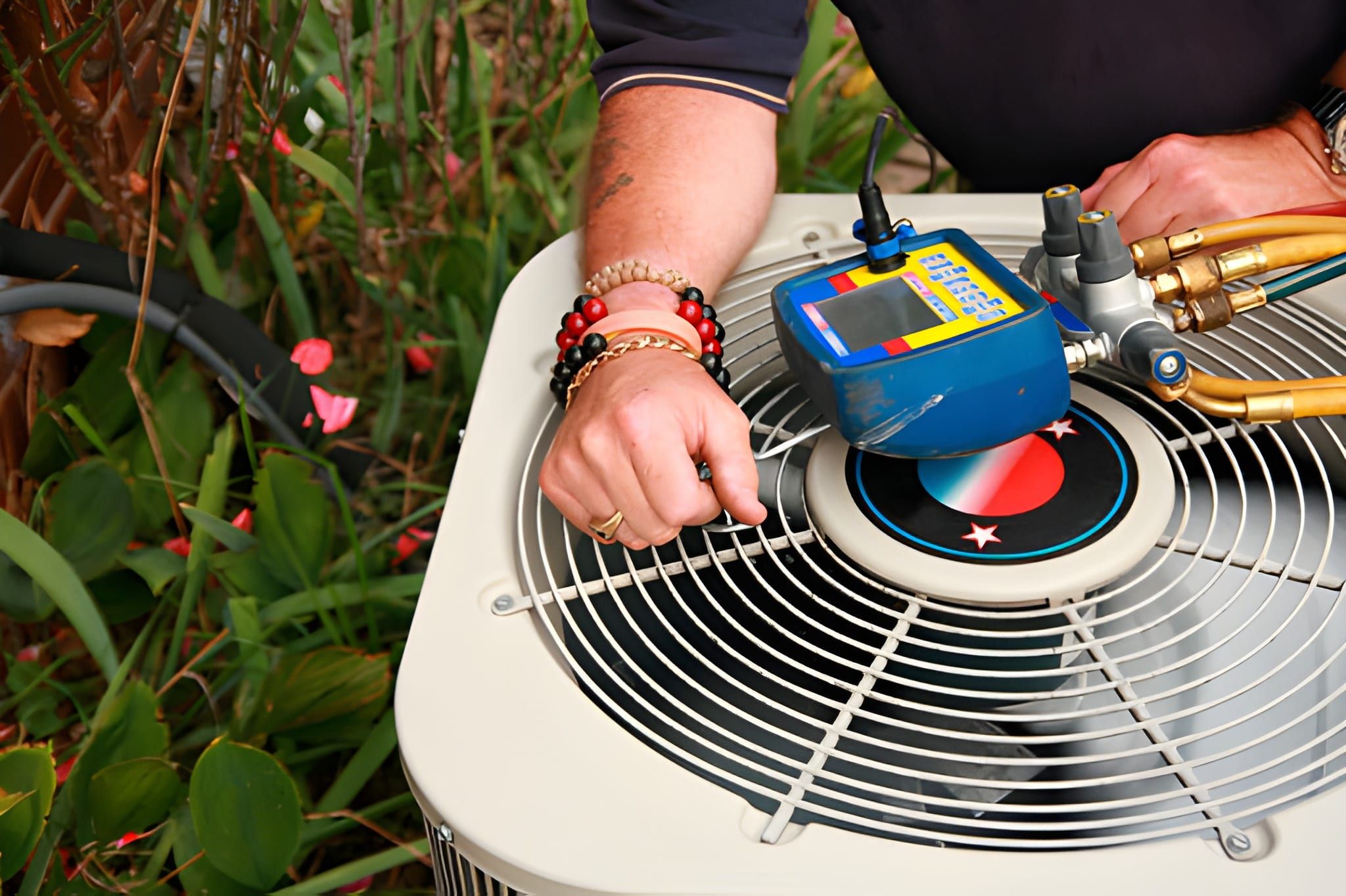
Air Conditioning Maintenance in Sherman Oaks, CA
Keeping your air conditioning running reliably in Sherman Oaks, CA is essential. Hot summers in the San Fernando Valley, seasonal Santa Ana winds, and periodic wildfire smoke make consistent cooling and clean indoor air a priority for local homes. Regular air conditioning maintenance reduces sudden breakdowns during heat waves, improves comfort, and helps protect indoor air quality—especially important where dust, pollen, and smoke levels can spike.
Why preventive AC maintenance matters in Sherman Oaks
- Local climate stresses: higher cooling loads in summer increase wear on compressors and fans.
- Air quality challenges: dust, pollen, and smoke from nearby wildfires load filters faster and reduce indoor air quality.
- Older home stock: many Sherman Oaks homes have aging ductwork and split systems that benefit from targeted inspections.
- Peak demand protection: detecting small issues early reduces the risk of failure during heat spikes.
Regular maintenance translates to extended equipment life, steadier energy use, fewer emergency repairs, and better indoor air for family members with allergies or respiratory sensitivities.
Common air conditioning maintenance issues in Sherman Oaks, CA
- Reduced airflow from clogged filters, dirty coils, or blocked return vents
- Rising energy bills due to low refrigerant charge, dirty condensers, or failing components
- Short cycling caused by thermostat issues, refrigerant problems, or electrical faults
- Frozen evaporator coils from airflow restriction or refrigerant imbalance
- Water leaks from clogged condensate drains leading to ceiling damage or mold risk
- Duct leaks and poor sealing causing uneven cooling and energy waste
- Electrical wear on capacitors, contactors, and relays—common failure points as systems age
Recognizing these issues early with scheduled inspections prevents most major failures and improves performance.
What a comprehensive AC maintenance program covers
A robust maintenance program focuses on preventive tasks, diagnostics, and system health monitoring. Typical service components include:
- Visual inspection of outdoor condenser and indoor evaporator units
- Air filter assessment and replacement schedule tailored to your home conditions
- Refrigerant level check and leak inspection
- Condenser and evaporator coil cleaning to restore heat transfer efficiency
- Blower motor and wheel cleaning; airflow verification
- Condensate drain cleaning and check for proper drainage
- Thermostat calibration and control verification
- Electrical system inspection: breakers, capacitors, contactors, wiring
- Ductwork spot checks for obvious leaks, insulation issues, and balancing
- System performance testing: temperature split, amperage draw, and cycle times
- Indoor air quality recommendations (filtration upgrades, MERV ratings, UV options)
- Seasonal tune-up documentation and recommendations for repairs or upgrades
Filter replacement schedule (Sherman Oaks specifics)
Filter life varies by filter type, occupancy, pets, and local air quality. For Sherman Oaks homes:
- Basic fiberglass filters: replace every 30 days during high-use months
- Pleated filters (MERV 8–11): replace every 60–90 days, or more often with pets/smoke
- High-efficiency filters (MERV 13+ or HEPA systems): follow manufacturer guidance; monitor for airflow restrictions and replace as needed
- Homes with wildfire smoke exposure or heavy dust may need filter checks every 30–45 days during smoky or windy periods
A maintenance plan customizes filter frequency so the system breathes freely while maintaining protection from particulates.
System health monitoring and diagnostics
Modern maintenance programs combine hands-on inspections with remote or sensor-based monitoring when available. Typical monitoring features include:
- Scheduled performance baselines to detect gradual efficiency loss
- Alerts for abnormal run times, frequent cycling, or unexpected temperature swings
- Refrigerant trend tracking to catch slow leaks before failures
- Electrical load monitoring to identify failing components early
Health monitoring helps prioritize repairs and schedule them on your terms rather than reacting to emergency breakdowns.
Types of service agreements and what each includes
Maintenance programs are often structured into tiers so homeowners choose the level of coverage that fits their needs. Common tiers include:
- Basic Maintenance
- Annual inspection and seasonal safety checks
- Maintenance checklist and filter guidance
- Performance report with recommended follow-ups
- Standard Maintenance
- Biannual tune-ups (spring and fall)
- Coil and condensate drain cleaning
- Filter change guidance and seasonal adjustments
- Priority scheduling and service documentation
- Premium Maintenance
- Quarterly or tailored visits based on household needs
- Filter replacements included for select filter types
- System health monitoring and performance tracking
- Comprehensive HVAC cleaning, calibration, and extended diagnostics
Agreement options can be tailored by system type, age, and household factors like pets or allergy concerns. Each tier is designed to reduce long-term repair frequency and preserve system efficiency.
Typical maintenance process (what to expect during a visit)
- Arrival and system history review to note past issues or recurring problems
- Visual safety inspection of both indoor and outdoor equipment
- Filter inspection and replacement if within the agreed schedule
- Coil and blower cleaning as needed to restore airflow and efficiency
- Refrigerant check and leak detection
- Electrical and thermostat testing, plus any adjustments
- Condensate drain clearing and verification of proper drainage
- Performance testing with a written summary of findings and recommendations
Technicians prioritize safety and system longevity, addressing anything that risks a near-term failure or efficiency loss.
Benefits of regular maintenance for Sherman Oaks homes
- Greater reliability during hot spells common in the Valley
- Improved indoor air quality when filters and coils are maintained
- Lower energy use and more predictable cooling costs over time
- Fewer costly emergency repairs and longer equipment life
- Clear documentation of system condition, useful for resale or warranty support
Practical maintenance tips for homeowners
- Check basic filters monthly during wildfire season or windy conditions
- Keep outdoor condenser free from vegetation, debris, and shade obstructions
- Set thermostats to sensible setbacks but avoid extreme swings that stress the system
- Clear snow, leaves, and yard waste from around outdoor units
- Note any unusual sounds, odors, or cycling behavior and have them checked before a heatwave
Consistent maintenance tailored to Sherman Oaks climate and air quality keeps your cooling system efficient, healthy, and ready when you need it most.
Routine air conditioning maintenance is an investment in comfort, safety, and predictable energy costs. For Sherman Oaks homeowners, scheduled inspections tailored to local dust, pollen, and smoke patterns preserve indoor air quality and reduce the risk of a system failure when temperatures peak. A well-maintained system runs smoother, lasts longer, and delivers steadier performance through seasonal extremes.
Customer
Testimonials
Our customers consistently praise the exceptional service and professionalism of our team. They appreciate the honest advice, meticulous work, and the care taken to ensure their satisfaction.

.webp)
Service Areas
