

North Hollywood, CA receives a comprehensive overview of a structured air conditioning maintenance program designed for homes and small businesses. The content explains why regular maintenance matters in warm, dusty summers, outlines common issues such as dirty filters, coil fouling, refrigerant problems, and duct leaks, and details a multi-component plan that includes inspections, preventive care checklists, coil cleaning, refrigerant testing, and duct inspection. It also covers diagnostic reporting, enrollment benefits, outcomes, and steps to create a proactive service history.

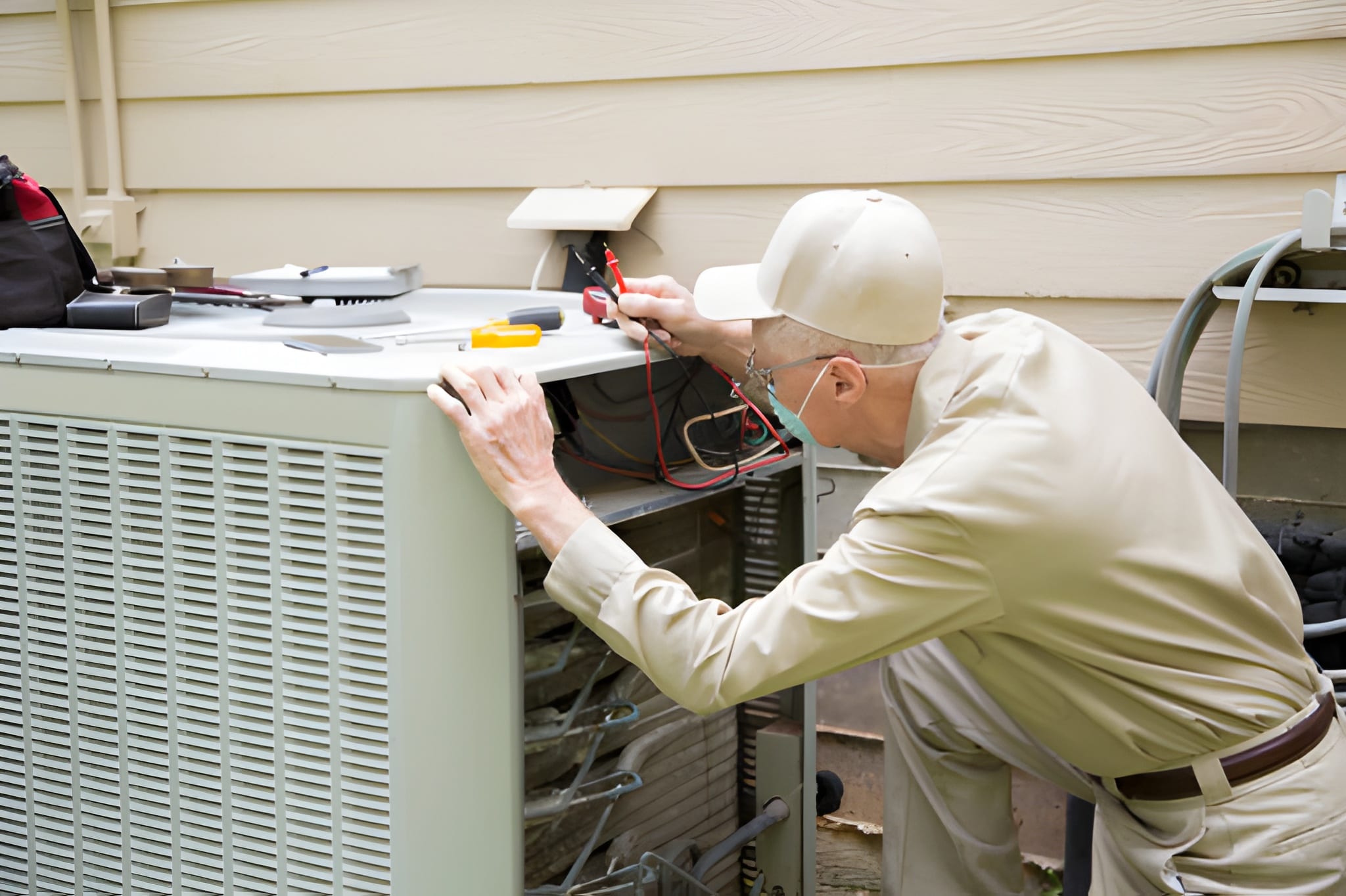
Air Conditioning Maintenance in North Hollywood, CA
Keeping your air conditioning reliable in North Hollywood, CA is not just about comfort — it’s about preventing costly breakdowns during the hottest days, optimizing energy use in a region with high cooling demand, and protecting indoor air quality for homes and small businesses. A structured air conditioning maintenance program tailored to North Hollywood conditions provides predictable performance, longer equipment life, and clearer budgeting for repairs and replacements.
Why scheduled air conditioning maintenance matters in North Hollywood, CA
North Hollywood experiences long, warm summers with frequent heat spikes and occasional Santa Ana wind events that increase dust and pollen load. Combined with rising energy costs in Southern California, these local factors place extra strain on AC systems. Regular maintenance:
- Reduces emergency failures during heat waves when service demand is highest.
- Keeps systems running efficiently to lower monthly energy usage.
- Minimizes indoor air quality issues from accumulated dust and biological growth.
- Preserves manufacturer warranties by maintaining required service records.
Common air conditioning maintenance issues in North Hollywood
Understanding the typical problems helps explain what preventive maintenance catches early:
- Clogged or dirty filters that reduce airflow and force compressors to work harder.
- Fouled evaporator and condenser coils that lower heat exchange efficiency.
- Refrigerant charge problems (leaks or undercharge) causing reduced cooling capacity.
- Electrical wear (capacitators, relays, contactors) that precede sudden failures.
- Blocked condensate drains or failed pumps leading to water damage and mold risk.
- Duct leaks and unsealed returns that waste cooled air and reduce comfort.
- Thermostat calibration drift causing short cycling or uneven temperature.
These are the kinds of issues frequently seen in North Hollywood homes and multiunit buildings due to dusty conditions, continuous summer use, and aging equipment.
What a comprehensive AC maintenance program includes
A full maintenance plan goes beyond a single seasonal tune-up. Typical components are:
- Scheduled inspections: at least once per cooling season, with optional winter checkups for heat pump systems.
- Preventative care checklist:
- Replace or clean air filters; recommend filter type and replacement interval.
- Clean condenser and evaporator coils; clear debris and check fins.
- Inspect refrigerant lines, fittings, and test for leaks.
- Measure system pressures and temperatures to verify performance.
- Check electrical connections, contactors, capacitors, and motor amp draw.
- Test thermostat and control settings; recalibrate as needed.
- Clear condensate drain lines and verify drainage or pump operation.
- Inspect ductwork for obvious leaks or disconnections; check airflow balance.
- Lubricate moving parts where applicable.
- Verify safety controls and compressor operation.
- Seasonal tune-ups timed before peak cooling months to ensure readiness.
- Priority scheduling windows and dispatching during high-demand periods.
Diagnostic approach and transparent reporting
An effective maintenance program uses measurable checks rather than guesswork. Typical diagnostics performed during each visit:
- Delta-T (temperature differential) across the evaporator to indicate heat transfer efficiency.
- Compressor and fan motor amp readings compared to manufacturer specs.
- Refrigerant pressure and superheat/subcooling measurements to confirm charge and performance.
- Airflow estimates and static pressure checks for ducted systems.
Each visit should produce a clear maintenance report that documents findings, recommended repairs, completed tasks, and performance metrics. These records are essential for warranty coverage, future service planning, and tracking equipment degradation over time.
Priority service benefits for enrolled properties
Enrollment in a maintenance plan for North Hollywood homes and small businesses delivers advantages that matter when heat peaks:
- Priority scheduling and faster dispatch during heat waves and high-demand periods.
- Preserved service history which helps technicians troubleshoot more quickly.
- Pre-season scheduling that reduces the risk of last-minute failures.
- Coordinated maintenance across multiple units or systems for multifamily properties to reduce overall downtime.
These operational benefits translate to less disruption and more predictable comfort for occupants.
Expected outcomes: lifespan, efficiency, and comfort
Routine, documented maintenance delivers measurable benefits:
- Extended equipment life: well-maintained systems often last several years longer than neglected units because wear is caught and corrected early.
- Improved efficiency: regular cleaning, correct refrigerant charge, and maintained airflow can reduce energy use compared to neglected systems. Many homes see noticeable energy savings and steadier indoor temperatures.
- Fewer emergency repairs: preventive replacement of worn electrical components and early leak detection reduce the incidence of costly mid-summer failures.
- Better indoor air quality: timely filter changes and coil cleanings reduce dust, allergens, and microbial growth in the system.
While actual results depend on equipment age, model, and usage patterns, the consistent effect is improved reliability and lower total cost of ownership over the life of the system.
Record-keeping and equipment lifecycle planning
A maintenance plan should create a chronological service file for each system that includes:
- Dates and details of each inspection and tune-up.
- Performance metrics and baseline data for trend analysis.
- Recommended repairs and completed fixes with parts listed.
- Replacement recommendations with projected timelines based on condition.
- Notes for warranty compliance and occupant feedback.
This documentation supports data-driven decisions about when to repair versus replace and helps budget for future upgrades.
Enrollment steps for AC maintenance plans in North Hollywood
Enrolling in a local maintenance program is usually straightforward:
- Select the plan level that matches your property size and comfort expectations (single-family, condo, or multifamily).
- Schedule an initial diagnostic and baseline tune-up timed before peak summer use.
- Establish a recurring inspection schedule (seasonal or annual) and preferred appointment windows.
- Provide property access instructions and authorized contacts for priority service.
- Receive digital or printed maintenance reports after each visit and a consolidated service history.
- Review periodic recommendations for repairs or replacement based on documented system performance.
A maintenance plan tailored to North Hollywood conditions protects comfort, reduces unexpected cooling costs, and preserves equipment value. Regular inspections, careful diagnostics, and consistent record-keeping are the practical steps that keep AC systems running efficiently through the hottest months and beyond.
Customer
Testimonials
Our customers consistently praise the exceptional service and professionalism of our team. They appreciate the honest advice, meticulous work, and the care taken to ensure their satisfaction.

.webp)
Service Areas
