

Glendale residents and business owners can safeguard cooling reliability with a comprehensive air conditioning maintenance program tailored to local conditions. The service covers semiannual tune-ups, filter care, coil cleaning, electrical checks, refrigerant monitoring, airflow optimization, and performance testing, with optional indoor air quality and rooftop unit provisions for commercial properties. By prioritizing preventive visits, the plan reduces emergency repairs, lowers energy bills, extends equipment life, and provides clear documentation to support warranties and informed replacement decisions.

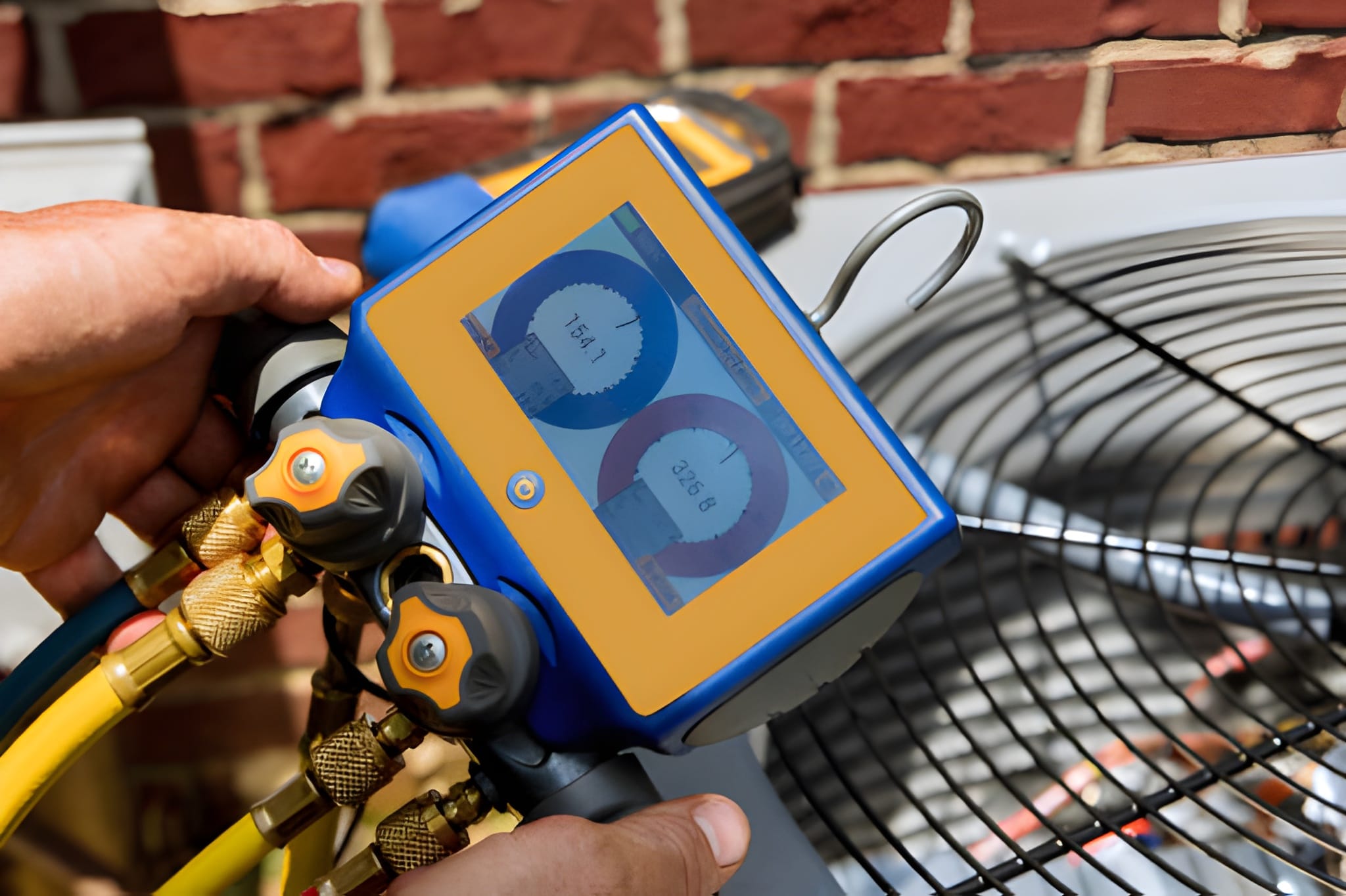
Air Conditioning Maintenance in Glendale, CA
Keeping your air conditioning running reliably and efficiently is essential in Glendale, CA, where hot summer days and intermittent poor air quality can push systems to their limits. An ongoing air conditioning maintenance plan protects comfort, reduces unexpected breakdowns during peak heat, and preserves equipment value. This page explains what scheduled AC maintenance in Glendale covers, common local issues, the technician process, priority service benefits, documentation provided after each visit, and residential and commercial plan options.
Why routine AC maintenance matters in Glendale, CA
Glendale experiences long, warm summers and occasional high particulate events from wildfires and Santa Ana winds. Those local conditions mean your system runs more hours and pulls in more dust, smoke, and pollen. Without regular preventive care you’re more likely to face:
- Unexpected system failures on the hottest days
- Reduced cooling capacity and uneven temperatures
- Higher energy bills from inefficient operation
- Shortened equipment life and voided warranty requirements
A maintenance plan designed for Glendale homes and businesses minimizes these risks by addressing the exact stressors local systems face.
Common air conditioning maintenance issues in Glendale
- Clogged or overloaded air filters from dust, smoke, and pollen
- Dirty evaporator and condenser coils reducing heat transfer
- Refrigerant leaks causing poor cooling and higher energy use
- Worn belts and bearings in older units creating noise and reduced performance
- Electrical problems (loose connections, failing capacitors) leading to intermittent operation or safety risks
- Blocked condensate drains causing water damage or mold growth
- Poor thermostat calibration producing temperature swings
These are the problems technicians look for during each scheduled visit so small issues are caught before they become emergencies.
What an AC maintenance plan in Glendale includes
An ongoing maintenance agreement typically covers scheduled visits and a standardized preventive care checklist to keep systems reliable and efficient.
Typical inclusions:
- Scheduled visits: Semiannual tune-ups (pre-summer and post-summer or pre-winter) or customized frequencies based on system age and usage
- Filter service: Inspection and replacement or cleaning of filters to address wildfire smoke, dust, and pollen in Glendale homes
- Belts and motors: Inspection, adjustment, and lubrication where applicable to prevent wear and noise
- Electrical inspection: Tightening connections, testing capacitors, relays, and controls for safety and reliability
- Coil cleaning: Evaporator and condenser coil inspection and cleaning to restore efficiency
- Refrigerant check: Measuring pressures and refrigerant levels to detect leaks or undercharge
- Airflow and thermostat calibration: Verifying proper airflow, measuring temperatures, and calibrating thermostats for accurate control
- Condensate drain service: Clearing and verifying drain lines to prevent backups and moisture problems
- System performance test: Full start-up and load test to confirm cooling output and amperage draw
Plans can be adjusted to include indoor air quality services, UV light inspection, duct checks, and rooftop unit maintenance for commercial properties.
What happens during a scheduled visit (step-by-step)
- Initial safety check and system shutdown to prevent accidental harm.
- Visual inspection of indoor and outdoor units for obvious damage or debris.
- Filter inspection/replacement to restore airflow and indoor air quality.
- Electrical testing including voltage, amperage, and component condition checks.
- Mechanical inspection of belts, pulleys, motors, and bearings; lubrication if needed.
- Coil and drain cleaning to optimize heat transfer and prevent moisture issues.
- Refrigerant and pressure checks to confirm charge and detect leaks.
- Thermostat and control verification to ensure accurate temperature control.
- System startup and performance verification with measurements logged for comparison over time.
- Documentation and recommendations provided at the end of the visit.
Priority service benefits
A maintenance agreement in Glendale typically includes priority scheduling and faster emergency response. Benefits of priority service include:
- Reduced wait times during heat waves
- First-available technician scheduling for urgent repairs
- Preferential parts allocation when inventory is limited
- A consistent technician team familiar with your system history
Priority service is particularly valuable in Glendale when hot spells increase demand and lead times for parts and technicians can grow.
Documentation you’ll receive after each visit
Every scheduled visit should come with clear, actionable documentation to keep records compliant with warranties and to track system health over time. Typical deliverables:
- Detailed inspection checklist with pass/fail items
- Photo documentation of noteworthy findings (coils, electrical connections, refrigerant lines)
- Recommended repairs and estimated urgency (immediate, within 30 days, future watch)
- Log of replaced parts (filters, belts) and consumables
- Performance metrics (air temperatures, pressures, amperage)
- Next recommended service date and notes on seasonal adjustments
This documentation helps Glendale homeowners and facility managers budget for repairs, demonstrate warranty compliance, and make informed replacement decisions.
Residential vs. commercial maintenance options
Residential plans
- Designed for split systems, packaged units, and ducted systems common in single-family Glendale homes and condos
- Emphasis on indoor air quality (filters, UV lights) because wildfire smoke and pollen can impact interiors
- Semiannual tune-ups timed around local seasonal peaks
Commercial plans
- Scalable for retail, office, restaurants, and multiunit residential buildings
- Include rooftop unit inspections, rooftop safety and anchoring checks, and compliance support for building management
- More frequent inspections for high-use systems, preventive replacement schedules for critical components, and priority parts sourcing
Plans can be customized to match the specific equipment mix, building size, and occupancy patterns in Glendale properties.
Savings and return on maintenance investment
Regular maintenance generates measurable savings and value:
- Improved efficiency reduces energy consumption and lowers monthly bills
- Fewer emergency repairs and longer equipment life reduce long-term capital expenditures
- Early leak detection lowers refrigerant costs and avoids major failures
- Proper documentation maintains warranty eligibility and resale value
In Glendale, where AC runtime is high and air quality events prompt more filter changes, these savings compound quickly compared with reactive repairs.
Recommended maintenance schedule and tips for Glendale homeowners
- Schedule two visits per year: a spring/pre-summer tune-up and a fall/post-summer check. Increase frequency for older systems or high dust/smoke exposure.
- Replace or clean filters more often during wildfire season and periods of heavy pollen (monthly to quarterly depending on filter type).
- Keep outdoor units clear of debris, landscaping, and leaves, and maintain at least 2 feet of clearance.
- Monitor energy bills and indoor comfort—noticeable spikes or uneven cooling indicate it’s time for a service visit.
Consistent, documented care tailored to Glendale conditions keeps systems reliable when you need them most. Regular preventive maintenance is the most effective way to protect comfort, control costs, and extend the life of your air conditioning equipment.
Customer
Testimonials
Our customers consistently praise the exceptional service and professionalism of our team. They appreciate the honest advice, meticulous work, and the care taken to ensure their satisfaction.

.webp)
Service Areas
