

Air conditioning installation in San Marino, CA focuses on precise load sizing, ductwork coordination, and compliance with local codes to ensure reliable, efficient comfort. The process includes site assessments using Manual J calculations to prevent short-cycling, selecting the right system type, and addressing common installation challenges. Energy-efficient options, permitting, and system commissioning from pre-installation through final testing are all included. Warranties, documentation, financing, and long-term maintenance guidance help protect the investment and ensure lasting, code-compliant performance.

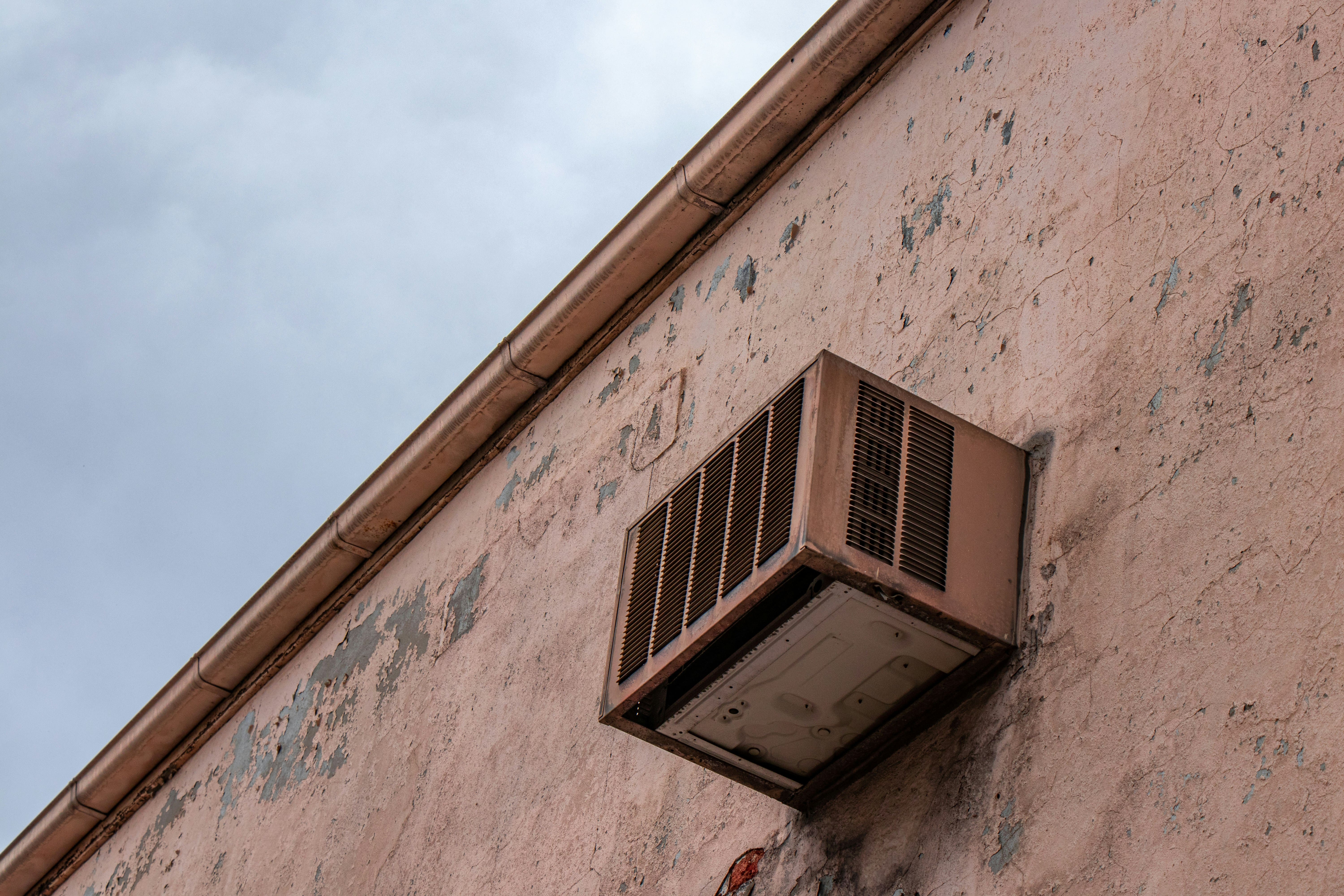
Air Conditioning Installation in San Marino, CA
Replacing or installing a new air conditioner is one of the most impactful upgrades you can make for comfort, indoor air quality, and energy bills in San Marino, CA. With hot, dry summers and a mix of historic and modern homes, proper air conditioning installation in San Marino, CA requires careful planning: accurate load sizing, right-fit equipment, careful ductwork and electrical coordination, and adherence to local codes. This guide explains the full process so you know what to expect and can make an informed decision for your home.
Why proper installation matters in San Marino homes
- San Marino summers frequently push cooling systems for extended periods. An undersized unit struggles to keep up; an oversized unit cycles too often, raising humidity and wear.
- Many San Marino homes have older ductwork or historic details that need sensitive handling during installation.
- California energy standards and local permitting affect system selection and installation methods, so compliance is essential for safety and long-term savings.
Common AC types and typical installation scenarios
- Central split-system air conditioners — most common for homes with existing ducts.
- High-efficiency heat pumps — provide year-round comfort and are a strong option in mild California climates.
- Ductless mini-splits — ideal for room additions, historic rooms without ducts, or targeted cooling zones.
- Packaged systems — less common for single-family homes but used in specific roof or attic configurations.
Common installation challenges in San Marino, CA:
- Aging or leaky duct systems needing repair or redesign
- Electrical panels that require capacity upgrades for high-efficiency units
- Tight attic or access spaces in older homes
- Historic design constraints that require non-invasive equipment placement
On-site load assessment and unit sizing
A professional installation begins with a thorough on-site load assessment (often referred to as a Manual J calculation). This process evaluates:
- Home size and layout, ceiling heights, and insulation levels
- Window types, glazing, sun exposure patterns, and shading from trees
- Occupancy, typical internal heat loads (appliances, electronics), and preferred thermostat settings
- Local climatic data for San Marino to estimate peak cooling demand
Accurate sizing prevents short-cycling or inadequate cooling. Expect the assessment to include inspection of existing ductwork, age and condition of the current system, and recommendations tailored to your home’s construction and lifestyle.
Energy-efficient model recommendations
Energy efficiency is a priority in California and directly reduces monthly operating costs. Key considerations:
- SEER rating: Choose higher SEER models for better cooling efficiency. In San Marino’s climate, a high-SEER unit often pays back over time.
- Variable-speed compressors and ECM fans: Improve comfort, humidity control, and efficiency by modulating output to match demand.
- Heat pump options: Modern heat pumps provide efficient cooling and heating — a good choice for year-round comfort without a separate furnace.
- ENERGY STAR and state incentives: Many high-efficiency models qualify for rebates or incentives; factor potential incentives into lifecycle cost planning.
Ductwork and electrical coordination
Proper coordination between HVAC, ductwork, and electrical work is critical:
- Duct evaluation: Inspect for leaks, improper sizing, poor insulation, and airflow restrictions. Typical solutions include sealing, re-sizing, adding return paths, or reconfiguring registers to balance airflow.
- Duct insulation: Ensure ducts in unconditioned spaces meet recommended R-values to minimize losses.
- Electrical requirements: High-efficiency units may need updated disconnects, wiring, or even panel capacity upgrades. Ensure dedicated circuits and proper breaker sizing.
- Access and routing: Plan condensate drain routing, refrigerant line runs, and outdoor unit placement to minimize structural impact and noise.
Permitting and code compliance
San Marino follows California building and energy codes. Key elements:
- Required permits for new equipment, electrical upgrades, duct modifications, and refrigerant handling.
- Compliance with current Title 24 energy standards when replacing equipment; this may affect allowable efficiency, control requirements, and documentation.
- Proper refrigerant handling and certified technicians for leak prevention and environmental compliance.
- Sensitivity to local historic district rules where applicable; installations in historic homes may require special mounting, screening, or aesthetic measures.
Expect the permit process to include submittal of equipment specifications, load calculations, and details of proposed electrical or structural changes. Proper permit handling avoids delays and ensures work is inspected and approved.
Step-by-step installation overview
- Pre-install inspection and final equipment selection after the load calculation.
- Obtain necessary permits and schedule inspections as required by local code.
- Prepare the site: clear path for equipment placement, protect flooring, and locate condensate and electrical routes.
- Remove old equipment safely, recover refrigerant per regulations, and dispose of materials appropriately.
- Install outdoor unit pad or platform; mount indoor air handler or evaporator coil.
- Run refrigerant lines, condensate drain, and electrical connections; install thermostat or control interface.
- Connect and seal ductwork, install insulation where needed, and balance supply/return registers.
- Evacuate and charge refrigerant, then perform startup procedures.
- Final inspection and commissioning including airflow and electrical verifications.
Post-installation testing and commissioning
A credible installation includes thorough testing and commissioning:
- Verify correct refrigerant charge and pressures for peak performance.
- Measure airflow at supply and return registers and adjust to design specs.
- Test electrical connections, proper breaker protection, and start-up currents.
- Inspect condensate drains and overflow protections to prevent water damage.
- Calibrate thermostats and program controls for zoning, schedules, and efficiency.
- Final safety checks: emergency shutoffs, refrigerant leak test, and system noise assessment.
Detailed commissioning documentation should be provided so you understand performance targets and maintenance needs.
Warranties, documentation, and maintenance
- Manufacturer warranties typically cover parts for a specified period; extended parts or compressor warranties may apply for high-efficiency models.
- Labor warranties vary; documentation should clearly state what is covered and for how long.
- Register equipment with manufacturers as required to activate full warranty benefits.
- Maintain a record of the load calculation, equipment specs, refrigerant charge, and commissioning results for future service or resale value.
- Establish a seasonal maintenance plan: filter changes, coil cleaning, refrigerant checks, and electrical inspections prolong life and preserve efficiency.
Estimates, financing, and long-term cost considerations
When comparing estimates, ensure each includes:
- Detailed scope: equipment make/model, SEER/HSPF ratings, ductwork and electrical work, permits, and disposal of old equipment
- Breakdown of labor vs. materials and timeline for completion
- Expected energy savings and estimated lifecycle operating costs, not just upfront cost
Financing options and local incentives can reduce upfront burden. Evaluate total cost of ownership: higher-efficiency systems often cost more initially but deliver lower operating expenses and greater home value over time.
Final considerations for San Marino homeowners
A properly executed air conditioning installation in San Marino, CA aligns equipment choice, precise sizing, duct and electrical coordination, and code compliance to deliver reliable comfort and efficient operation through hot summers. Prioritize accurate load assessments, thoughtful ductwork repairs, and professional commissioning to avoid common problems like short-cycling, uneven cooling, or premature component failure. With the right planning and documentation, a new system will improve comfort, lower energy use, and protect your investment for years to come.
Customer
Testimonials
Our customers consistently praise the exceptional service and professionalism of our team. They appreciate the honest advice, meticulous work, and the care taken to ensure their satisfaction.

.webp)
Service Areas
