

Air conditioning installation in Ontario, CA follows a structured process to ensure reliable, efficient cooling. It includes site assessment and Manual J load calculations to determine capacity, equipment selection (central systems, heat pumps, or ductless options), and ductwork evaluation. Permitting, installation timelines, commissioning, and testing are all part of the process. Warranties, financing options, and maintenance recommendations help protect the investment and ensure long-term performance in a demanding climate.

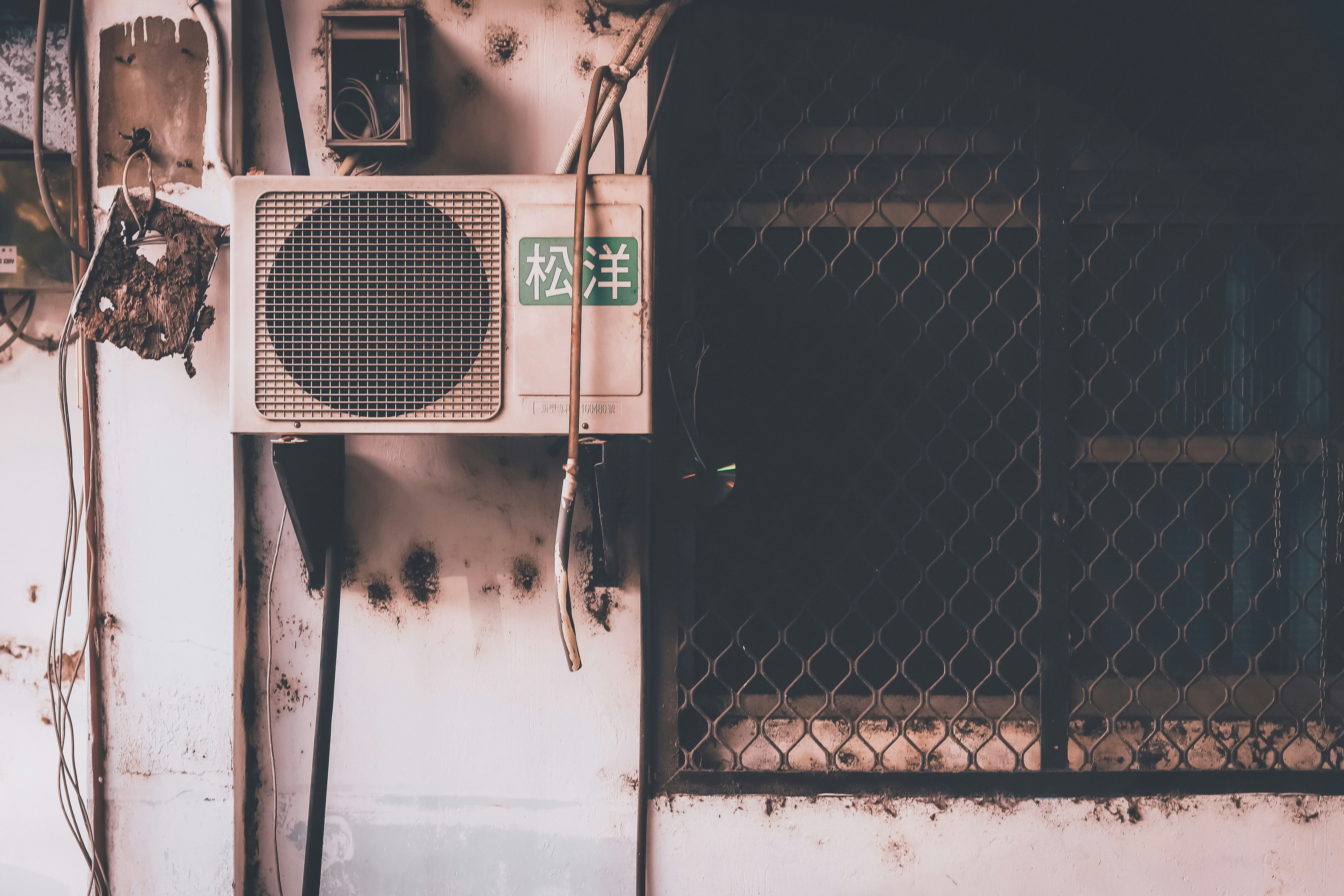
Air Conditioning Installation in Ontario, CA
Summer in Ontario, CA puts a heavy demand on home cooling systems. Proper air conditioning installation is not just swapping an old unit for a new one; it is a structured process that ensures the system meets your home’s cooling needs reliably, efficiently, and in compliance with local codes. This page explains the full installation process for new air conditioning systems in Ontario, CA, highlights common issues we see in local homes, and describes what you should expect from site assessment through post-install testing.
Why professional installation matters in Ontario, CA
Ontario’s inland climate means higher cooling loads, dusty conditions, and prolonged run times for AC systems. A correctly sized and installed system delivers:
- Consistent indoor comfort during long heat waves
- Lower energy bills through higher seasonal efficiency
- Longer equipment life and fewer breakdowns
- Compliance with California energy codes and local permitting requirements
Common air conditioning installation scenarios in Ontario, CA
- Replacing an aging central air conditioner with the same sized system
- Upgrading to a high-efficiency heat pump or variable-speed system for better cooling and energy savings
- New system installation for homes that had window units or evaporative coolers
- Ductwork replacement or retrofit to improve airflow and seal leaks
- Adding zoning or smart thermostat controls for multi-level homes
Step 1 — Site assessment and load calculations
A thorough installation starts with a site visit. Technicians review your home’s layout, insulation levels, window exposure, attic conditions, and existing ductwork. They perform a Manual J load calculation to determine the exact cooling capacity your home requires, not just an estimate based on square footage. Proper load calculation prevents under-sizing (poor comfort) and over-sizing (short cycling, humidity problems), both common issues in Ontario homes that face intense afternoon heat.
Step 2 — Recommended equipment selection
Equipment selection balances comfort, durability, and efficiency. Factors considered include:
- System type: central air conditioner, heat pump, or ductless mini-split
- Efficiency ratings: look for higher SEER and HSPF ratings for long-term energy savings; in hotter climates higher SEER often yields faster payback
- Capacity and staging: single-stage vs two-stage vs variable-speed compressors affect temperature consistency and humidity control
- Brand and warranty reputation: select manufacturers with strong parts and compressor warranty coverage
In Ontario, CA, many homeowners choose high-efficiency systems and variable-speed air handlers to handle extended cooling periods and maintain lower humidity.
Step 3 — Ductwork checks and required upgrades
Duct condition is critical. During the assessment, technicians check for:
- Proper sizing (Manual D principles) to match the new equipment
- Leaks at joints and connections
- Insulation levels in unconditioned spaces like attics
- Blockages or poor register distribution
Common fixes include sealing leaks, adding insulation, and replacing undersized or damaged ducts. Improved duct performance increases system efficiency and ensures even temperatures throughout the home.
Step 4 — Permitting and code compliance in Ontario, CA
Installations must comply with California building and energy codes, including Title 24 requirements for new and replacement systems. Local permits issued by the City of Ontario are typically required. Permit processes verify:
- Equipment meets minimum efficiency and safety standards
- Proper refrigerant handling and reclamation practices
- Electrical and mechanical connections are code-compliant
A professional installation includes pulling required permits and coordinating inspections so the system is legal and safe.
Step 5 — The installation timeline
Typical installation duration depends on scope:
- Straight replacement of like-for-like equipment: usually completed in one day
- Full system change with new ductwork or line sets: one to three days
- Complex retrofits, zoning, or significant home modifications: may extend beyond three days
Installers prepare the site, disconnect and remove old equipment, install the outdoor condensing unit and indoor coil/air handler, connect refrigerant and electrical lines, and restore any work areas before testing.
Step 6 — Post-install testing and commissioning
Commissioning verifies the system performs as intended. Key tests include:
- Refrigerant charge and pressure checks to ensure correct cooling performance
- Airflow measurements at registers and across the coil
- Duct leakage testing where applicable
- Thermostat calibration and programmable schedule setup
- Safety control checks and electrical inspections
Technicians document test results and explain system operation, normal sounds, and simple maintenance tasks.
Warranty coverage and registration
New systems typically include:
- Manufacturer’s parts warranty, and often a separate compressor warranty
- Optional extended warranties for longer coverage
- Installer labor warranty covering workmanship for a defined period
Registering the equipment with the manufacturer at installation often preserves full warranty benefits. Keep warranty documents and any permits and test reports in case future service is needed.
Financing and payment options
Many homeowners in Ontario explore financing or energy-efficient financing programs to spread the upfront cost of a high-efficiency system over manageable payments. Options can include low monthly payment plans or terms aligned with anticipated energy savings. When evaluating offers, compare interest, terms, and any requirements for prequalification. Financing choices can make higher-efficiency equipment more accessible while reducing long-term operating costs.
Benefits of doing it right and maintenance recommendations
A properly installed system delivers reliable comfort, lower utility bills, and fewer service calls. To protect your investment:
- Change filters regularly and use recommended MERV levels for your system
- Schedule annual maintenance for refrigerant checks, airflow inspection, and cleaning coils
- Keep outdoor units clear of debris and vegetation
- Monitor thermostat settings and consider smart controls to optimize runtimes
In Ontario, CA, proactive maintenance is especially important because higher seasonal runtime accelerates wear and exposure to dust and heat.
Air conditioning installation in Ontario, CA requires careful assessment, correctly sized equipment, attention to ductwork, and compliance with local code. Following a thorough installation and commissioning process ensures peak performance, efficient operation, and long-term reliability in the face of the region’s demanding climate.
Customer
Testimonials
Our customers consistently praise the exceptional service and professionalism of our team. They appreciate the honest advice, meticulous work, and the care taken to ensure their satisfaction.

.webp)
Service Areas
