

Air conditioning installation in Laguna Beach, CA covers the full process from consultation and load calculations to equipment selection, ductwork considerations, and permitting. Coastal-durability features and systems suited for mild coastal climates are included, with step-by-step timelines for new installations or replacements. Services also include site preparation, post-installation testing, warranty setup, financing options, and long-term maintenance guidance. Homeowners receive a properly sized, efficient system that enhances comfort, reduces energy use, and adds lasting value to coastal properties.

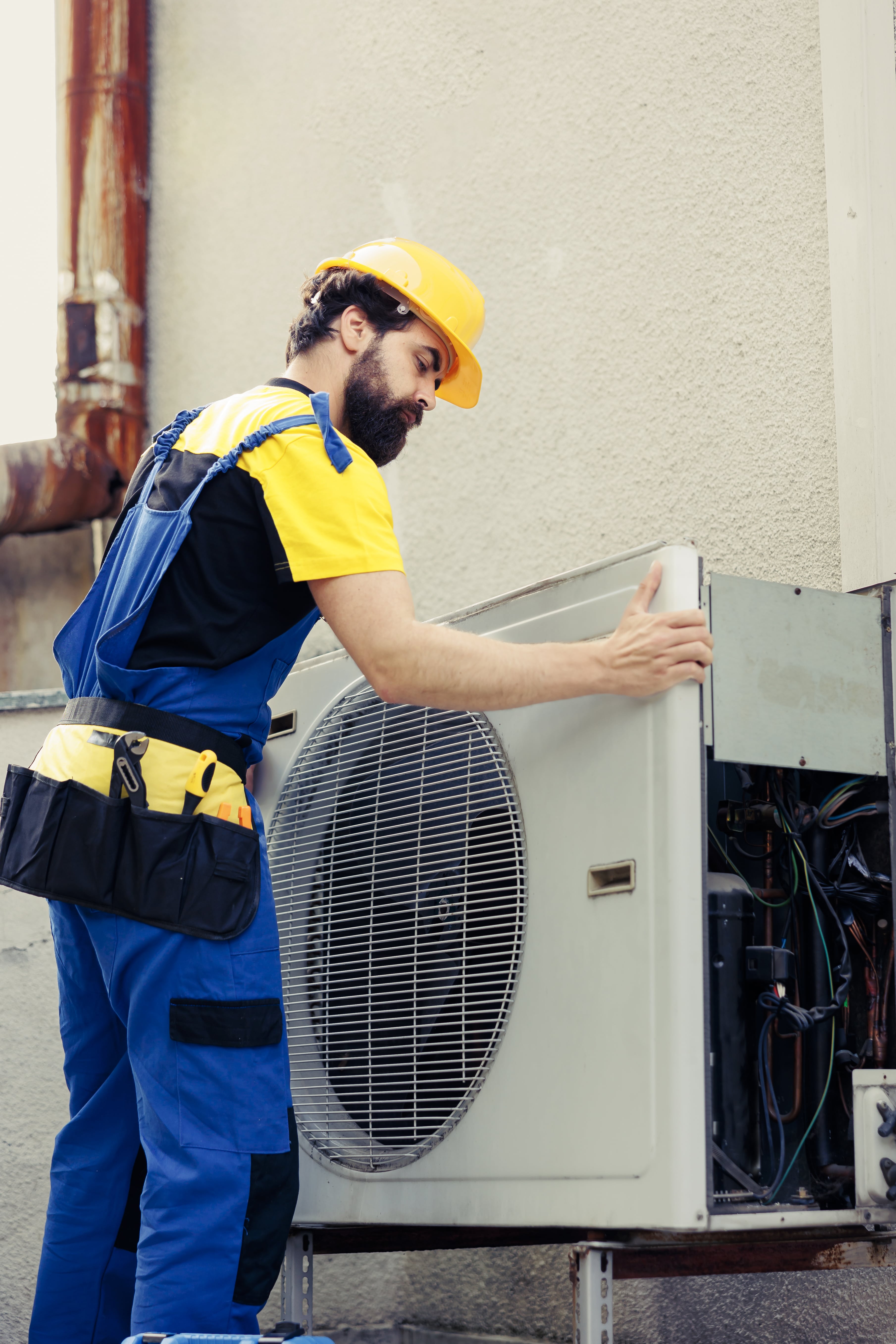
Air Conditioning Installation in Laguna Beach, CA
An efficient, properly sized air conditioning system is one of the most important investments for comfort and resale value in Laguna Beach, CA. Whether you live in a coastal bungalow or a hillside home, a professional air conditioning installation ensures steady indoor temperatures, lower energy bills, and equipment longevity in a marine environment that can accelerate wear. This page explains the full installation process—what to expect, common options for Laguna Beach homes, site and permitting realities, and the post-installation steps that protect your investment.
Why a tailored installation matters in Laguna Beach
Laguna Beach has a mild coastal climate with marine influence, salt air, and occasional inland heat events. Those factors affect system choice and placement:
- Salt air and corrosion risk mean coastal-rated components, stainless fasteners, and protective coatings are important.
- Mild year-round temperatures make high-efficiency heat pumps and high-SEER units especially attractive because they recover more energy savings over time.
- Variable home styles (older homes with limited or no ductwork vs modern builds) require different installation approaches like duct repair or ductless systems.
Common system types for new installations
- Central split systems (condenser outside + air handler in attic/closet)
- Air-source heat pumps (heating and cooling in one system; efficient for coastal climates)
- Ductless mini-splits (ideal for homes without ducts, room additions, or selective zoning)
- Packaged rooftop units (for some multifamily or commercial properties)
Initial consultation and load calculation
The process starts with an on-site consultation and a professional load calculation (Manual J). This determines:
- Proper system size based on square footage, insulation, window orientation, occupancy, and local climate.
- Duct sizing and potential airflow limitations.
- Recommendations for efficiency levels (SEER ratings) and compatible refrigerant types.
A correct load calculation prevents undersizing (poor comfort) or oversizing (short cycling, humidity issues), both common causes of poor performance in Laguna Beach homes.
Equipment selection: efficiency and coastal durability
Key selection criteria for Laguna Beach installations:
- High-SEER models for energy savings during warmer months—look for ENERGY STAR-level performance.
- Heat pumps are often recommended for their efficiency in mild climates and ability to heat during cooler coastal nights.
- Coastal protection features such as corrosion-resistant coils, coated condensers, and stainless hardware.
- Compatibility with smart thermostats and zoning controls for targeted comfort and energy management.
Ductwork and system compatibility
A thorough inspection of existing ductwork determines if:
- Duct sealing, insulation, or resizing is needed to optimize airflow.
- A full duct replacement or partial modification is required for older homes.
- A ductless solution is a better fit when duct retrofit would be invasive or costly.
Sealing gaps, adding insulation, and balancing airflow typically produce immediate efficiency gains and better humidity control.
Site preparation and permitting
Installing an AC in Laguna Beach generally requires building and electrical permits from the City of Laguna Beach. The permitting process usually includes:
- Submitting equipment and electrical specifications.
- A site plan showing unit placement and setback requirements.
- Inspections for electrical connections and final system performance.
Installers account for permit timelines in project schedules. For coastal homes, site prep also includes planning for proper clearance, elevation to reduce flood risk, and vibration/noise considerations for neighboring properties.
Step-by-step installation timeline
Typical timeline for a standard split-system replacement or new install:
- Day 0: Finalize equipment choice, order materials after load calculations and permit submission.
- 1–7 business days: Permit approval window (timing varies by workload).
- Delivery day: Equipment and materials staged; old unit removed if applicable.
- Installation day(s): Mounting outdoor condenser, installing indoor air handler, ductwork modifications, electrical wiring, and refrigerant charging. Small projects may be completed in one day; larger or multi-zone installs can take 2–3 days.
- Final day: System commissioning, testing, and walkthrough.
Larger or custom installations (multi-zone, major ductwork, or hillside access issues) can extend timelines.
Post-installation testing and commissioning
Crucial tests verify system reliability and efficiency:
- Refrigerant charge and pressure checks
- Airflow measurement and temperature differentials across the evaporator coil
- Electrical load and safety device verification
- Condensate drain flow and trap checks
- Thermostat calibration and control verification
- Noise and vibration checks, especially for coastal sites
Technicians will record performance numbers and provide an overview of system operation and simple troubleshooting steps.
Warranty, registration, and service expectations
New equipment typically comes with manufacturer warranties for parts and limited-time labor warranties. It is important to:
- Register the equipment with the manufacturer to activate all warranty options and any extended coverage.
- Keep installation records, permit documents, and commissioning reports for future service or warranty claims.
- Consider an ongoing maintenance plan to preserve warranty validity and maximize system life.
Financing options and available rebates
Many homeowners use financing to spread the cost of high-efficiency equipment. Common options include:
- Fixed-term loans or HVAC-specific financing with monthly payments
- Manufacturer promotional financing (subject to credit approval)
- Energy-efficiency rebates and incentives from state programs and local utilities
California offers multiple incentives for high-efficiency HVAC and heat pump installations; local utility programs and state energy efficiency rebates may apply. Verify current eligibility for rebates and tax incentives during the planning phase.
What to expect during installation
- Mild disruption: expect noise, truck access, and temporary removal of landscaping or decking panels as needed.
- Access needs: technicians need clear access to indoor equipment, attic space, and outdoor unit location.
- Power interruption: brief shutdowns may be required for safe electrical connections.
- Clean job site: installers should protect floors, collect debris, and remove the old equipment.
Long-term benefits and maintenance tips
A professionally installed, correctly sized system delivers:
- Better comfort and humidity control
- Lower energy bills and increased home value
- Longer equipment life and fewer unplanned repairs
Maintenance tips tailored for Laguna Beach:
- Change filters regularly (every 1–3 months based on use)
- Schedule annual tune-ups, ideally before summer
- Rinse outdoor coils and consider anti-corrosion treatments for coastal exposure
- Ensure condensate drains remain clear to prevent water damage
A thorough, code-compliant installation that accounts for local climate and home specifics protects your comfort and investment for years.
Customer
Testimonials
Our customers consistently praise the exceptional service and professionalism of our team. They appreciate the honest advice, meticulous work, and the care taken to ensure their satisfaction.

.webp)
Service Areas
