

Air conditioning installation in La Mirada, CA covers the full process from site assessment and load calculations to permitting, equipment selection, and post-install testing. It explains the importance of proper sizing, available system types—central, ductless, and heat pumps—and details on scheduling, ductwork, thermostat setup, and warranty options. Homeowners learn what to expect, how to prepare, and how professional installation ensures comfort, efficiency, and long-term value.

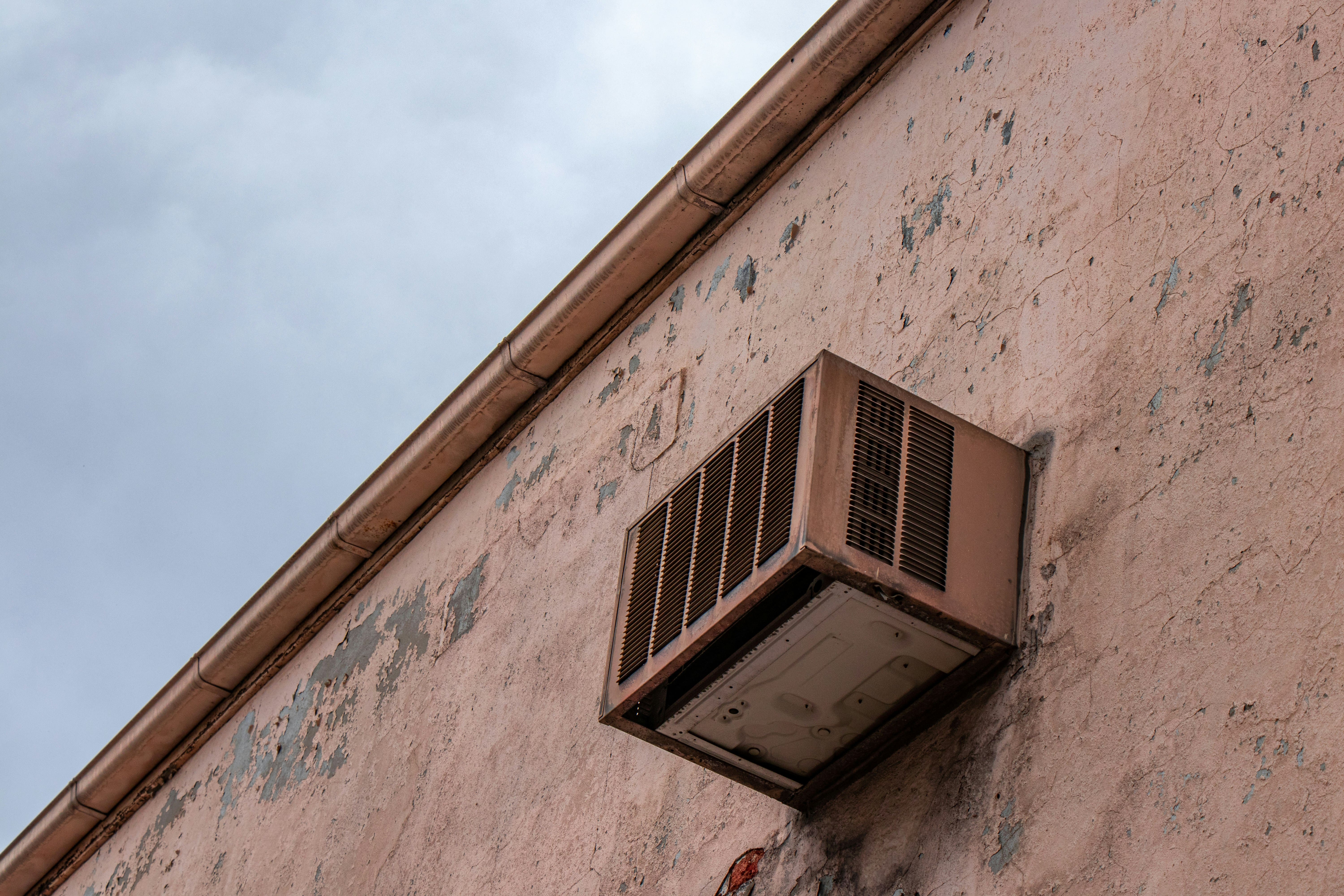
Air Conditioning Installation in La Mirada, CA
Replacing or installing a new air conditioning system is one of the most impactful upgrades you can make for comfort, energy bills, and indoor air quality in La Mirada, CA. With long, warm summers and frequent inland heat events, homes in La Mirada require correctly sized, energy-efficient systems to stay comfortable without overspending on electricity. This page walks through the full air conditioning installation process — from site assessment and load calculations to permitting, warranties, and post-installation testing — so you know exactly what to expect when planning an AC installation in La Mirada, CA.
Why a proper installation matters in La Mirada
La Mirada’s climate features warm to hot summers and generally mild winters. Extended cooling seasons increase runtime and make system efficiency and correct sizing especially important. A poorly sized or improperly installed unit will short cycle, produce uneven cooling, and cost more to operate over its lifetime. Local homes also vary from single-story ranches to multi-level houses with varied attic and duct configurations, so a one-size-fits-all approach rarely delivers reliable comfort.
Common air conditioning installation situations in La Mirada
- New construction installations for single-family homes or additions
- Full system replacements for aging or failed equipment
- Upgrades from low-efficiency to high-efficiency systems (higher SEER)
- Converting from window/portable units to a central or ductless system
- Ductwork replacement, sealing, or retrofit to improve airflow and efficiency
- Adding zoning or smart thermostat controls for multi-level homes
Initial site assessment: what we evaluate
A thorough site assessment establishes the foundation for the installation and avoids surprises later:
- Home layout and square footage, including attic and basement conditions
- Existing duct system: location, condition, insulation level, and static pressure concerns
- Window orientation and shading, insulation levels, and envelope leakage that influence cooling load
- Electrical service capacity and breaker panel condition for new equipment requirements
- Outdoor condenser placement constraints (clearance, airflow, neighborhood guidelines)
- Local code, HOA, and permitting considerations specific to La Mirada homes
Load calculations and system sizing
Accurate load calculations are critical. We use Manual J-style calculations to determine the correct cooling capacity based on your home’s specific characteristics rather than relying on rule-of-thumb sizing. Proper sizing prevents short cycling, reduces humidity problems, and maximizes efficiency. In La Mirada, where outside temperatures can swing, correct sizing ensures reliable comfort during peak heat while avoiding oversized systems that create humidity issues.
Equipment selection: energy-efficient models and options
Selecting the right equipment is about matching performance, efficiency, and local needs:
- SEER ratings: Higher SEER ratings mean better efficiency. For La Mirada’s long cooling season, choosing a high-SEER unit can yield meaningful energy savings.
- System type: Central split systems, packaged units, heat pumps, or ductless mini-splits depending on home layout and existing ductwork. Heat pumps are increasingly efficient for mild climates and provide cooling plus heating in one unit.
- Compressor technology: Variable-speed compressors offer better humidity control and more consistent comfort than single-stage compressors.
- Indoor unit and coil compatibility: Proper matching of indoor coil and outdoor unit is essential for efficient operation.
- Air quality accessories: Upgraded filtration, UV lights, or energy recovery ventilators can improve indoor air quality for households with allergies or asthma.
Typical installation steps and timeline
A standard installation follows a predictable sequence. Timeline varies by project complexity but most residential installs take between one and three days.
- Pre-install preparation: finalizing permit paperwork, ordering equipment, and scheduling.
- Site protection: floor and landscaping protection when technicians access the home.
- Removal of old equipment: safe recovery of refrigerant and removal of old condenser and evaporator.
- Ductwork and mechanical prep: duct repairs, sealing, or replacement if needed; mounting of indoor air handler or evaporator coil.
- Outdoor unit placement: level pad preparation, securing condenser with proper clearances and vibration isolation.
- Refrigerant lines and electrical: running and brazing refrigerant lines, insulating linesets, and connecting electrical and controls per code.
- Thermostat installation and control wiring: integrating smart thermostats or zoning controls if part of the scope.
- Startup and commissioning: charging refrigerant to manufacturers’ specifications and running initial system checks.
- Cleanup and documentation: removal of debris and providing system documentation and warranty information.
Permitting and inspection
Permits are required for most AC installations in La Mirada to ensure code compliance, safe electrical work, and proper refrigerant handling. The permitting process typically includes:
- Submitting equipment specifications and load calculations for a permit application
- Inspections at key stages, such as rough-in and final installation, to verify compliance with local mechanical and electrical codes
- A final sign-off that confirms safe operation and code-compliant installation
Permits protect homeowners by ensuring systems are installed safely and may be required to maintain warranty validity or for future resale disclosures.
Warranties and service coverage
New systems typically include a manufacturer’s limited warranty on major components (compressor, coil) and a separate warranty for refrigerant. Labor warranties from the installer cover workmanship for a specified period. Important warranty considerations:
- Manufacturer vs. extended warranties: learn what is covered and for how long
- Conditions that affect warranty validity, such as required maintenance schedules and professional installation documentation
- Warranty on refrigerant and components may vary by brand and model
Keep the installation paperwork and warranty cards in a safe place; inspectors and warranty claims often require proof of professional installation and permit compliance.
Post-installation testing and what we check
After installation, thorough testing ensures the system meets performance expectations:
- Refrigerant charge and superheat/subcooling measurements to confirm correct refrigerant level
- Airflow and static pressure tests to verify ductwork and blower performance
- Temperature split and return/ supply temperature verification for proper cooling capacity
- Electrical checks on control wiring, breakers, and safety devices
- Thermostat calibration and system cycling behavior to confirm comfort and humidity control
These tests identify any adjustments needed so the system operates efficiently from day one.
Long-term benefits and maintenance tips
A properly installed, energy-efficient air conditioning system delivers consistent comfort, improved indoor air quality, and lower operating costs throughout La Mirada’s cooling season. To protect your investment and maintain warranty coverage:
- Schedule annual professional tune-ups before the cooling season
- Replace or clean filters regularly to maintain airflow and indoor air quality
- Keep the outdoor condenser clear of debris and vegetation for adequate airflow
- Address duct leaks and insulation gaps to improve efficiency and comfort consistency
Proper installation and routine maintenance ensure your air conditioning delivers reliable performance and energy savings for years.
Customer
Testimonials
Our customers consistently praise the exceptional service and professionalism of our team. They appreciate the honest advice, meticulous work, and the care taken to ensure their satisfaction.

.webp)
Service Areas
