

Ventilation in Pomona, CA

Pomona ventilation services deliver comprehensive, site-specific solutions for homes and commercial spaces to improve indoor air quality, control humidity, and reduce energy use. By diagnosing airflow problems, balancing ducts, and offering ERV/HRV options, the team designs systems that fit Pomona’s climate and local codes. Services include installation, commissioning, duct sealing, and ongoing maintenance to sustain performance. The approach focuses on preventing stale air, odors, and moisture-related issues while ensuring compliant, efficient ventilation that supports comfort and occupant health.
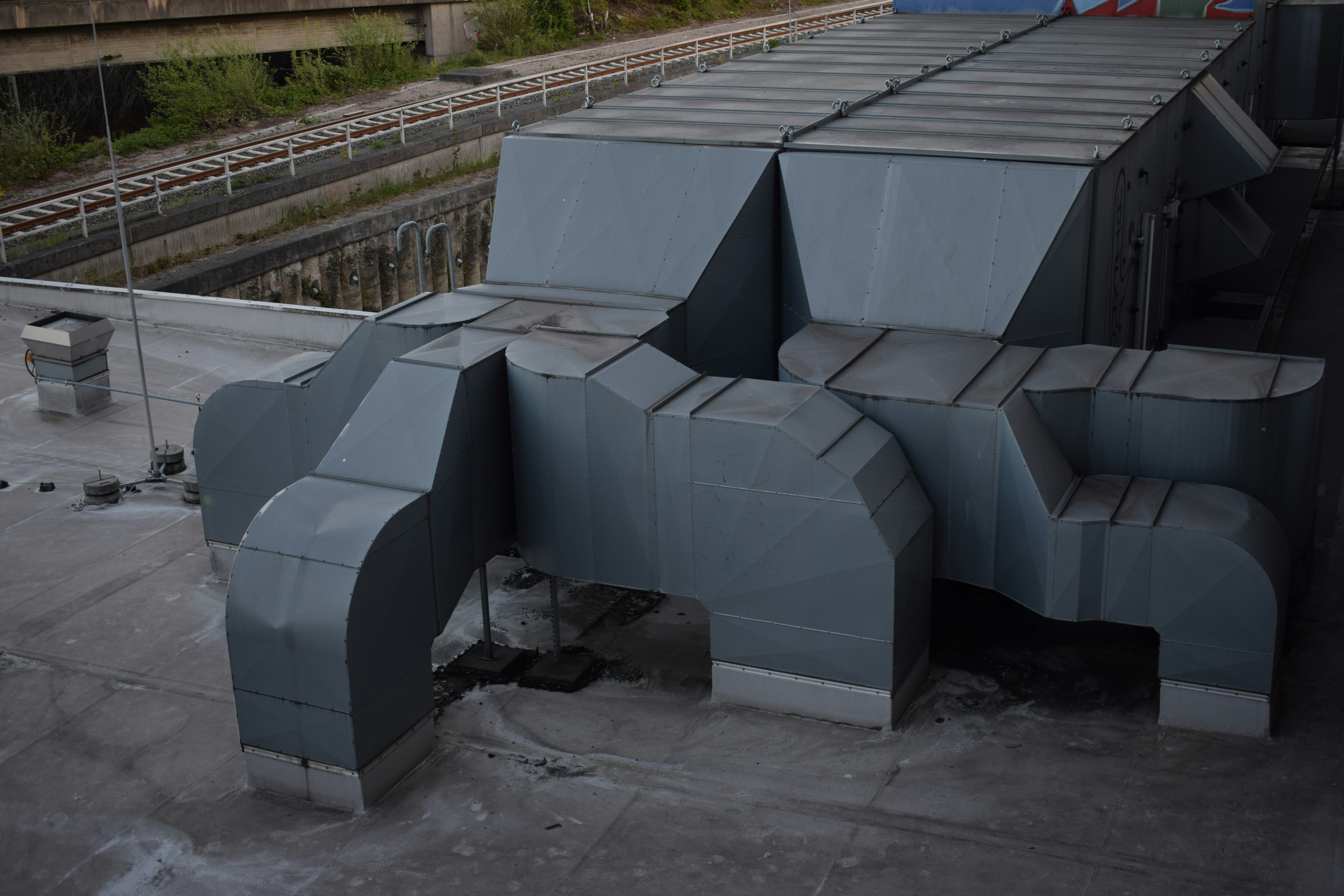
Ventilation in Pomona, CA
Proper ventilation is one of the most effective ways to improve indoor air quality, manage humidity, and increase comfort in Pomona homes and commercial spaces. Whether you live near busy surface streets, in older housing stock, or operate a business that requires consistent fresh air, a tailored ventilation strategy reduces odors, lowers pollutant levels, and helps HVAC systems run more efficiently. This page explains residential and commercial ventilation services available in Pomona, CA, common local issues, recommended solutions (including ERV/HRV systems), and what to expect from professional installation and maintenance.
Why ventilation matters in Pomona homes and businesses
Pomona’s climate — hot summers, mild winters, and periodic poor outdoor air quality from regional traffic and wildfire smoke — creates unique indoor-air challenges. Inadequate ventilation can lead to:
- Stale indoor air, lingering cooking or pet odors, and higher concentrations of VOCs.
- Elevated indoor humidity and related mold or mildew risks in enclosed areas.
- Inefficient HVAC performance when fresh-air intake is uncontrolled, increasing cooling costs during Pomona’s warm months.
- Difficulty meeting current building ventilation and energy-efficiency expectations for both residential remodels and commercial operations.
Proper ventilation balances fresh air intake with energy efficiency while addressing odor, humidity, and pollutant control specific to the Pomona area.
Common ventilation issues in Pomona and what they indicate
- Weak or inconsistent airflow in living areas or offices: often caused by poorly balanced ductwork, undersized vents, or blocked returns.
- Persistent odors in kitchens, bathrooms, or garages: indicates insufficient exhaust or lack of source control.
- High indoor humidity or condensation on windows after wet weather: suggests inadequate whole-house ventilation or lack of properly sized humidity control.
- Excessive energy use during summer months: uncontrolled fresh-air intake or failing mechanical ventilation increasing cooling load.
- Difficulty meeting code requirements during remodels or occupancy changes: older systems may not comply with California ventilation and energy standards.
Ventilation services we provide (residential and commercial)
- Whole-house ventilation: balanced systems that exchange indoor and outdoor air evenly to maintain comfort and dilute indoor pollutants without overloading your cooling system.
- ERV/HRV systems: energy recovery ventilators (ERVs) and heat recovery ventilators (HRVs) that recover thermal energy from exhaust air to pre-condition incoming fresh air, improving year-round efficiency.
- Duct ventilation improvements: duct sealing, re-balancing, additional returns or transfers, and improved diffuser placement to eliminate dead zones and improve distribution.
- Airflow assessment and code compliance reviews: measurements of air changes, ventilation rates, and verification against applicable California building codes and local standards for new construction and remodels.
- Humidity and odor control solutions: targeted exhaust fans, dehumidification strategies, and filtration upgrades to remove particles and volatile organic compounds.
- Installation and maintenance: professional equipment sizing, placement, commissioning, and ongoing service plans to maintain performance.
How we diagnose ventilation problems
A reliable solution starts with a methodical assessment:
- Visual inspection of equipment, ducts, vents, and combustion appliances.
- Quantified airflow testing (supply, return, and exhaust), pressure differentials, and duct leakage checks.
- Indoor environmental measurements: temperature, relative humidity, and CO2 where needed to assess occupancy-driven ventilation needs.
- Review of existing controls, timers, and filtration to determine efficiency opportunities and code impacts.This diagnostic approach isolates root causes so recommendations are pragmatic, effective, and code-aware for Pomona properties.
ERV vs HRV: which is right for Pomona, CA?
- ERV (Energy Recovery Ventilator): transfers both heat and moisture between incoming and outgoing air. Often preferred in Pomona where managing humidity and maintaining summer efficiency are priorities.
- HRV (Heat Recovery Ventilator): transfers heat only and is more common in colder climates. In Pomona’s mild winters, HRVs may still be beneficial in specific commercial applications.A site-specific assessment determines the best choice based on indoor humidity trends, occupancy patterns, and how the building is used.
Typical installation and commissioning process
- Site assessment and load/ventilation sizing: choose equipment capacity and duct layout that matches your home or building envelope.
- Placement and integration: install energy recovery units, ductwork, and dedicated exhaust or make-up air as required. Ensure filtration and controls are located for serviceability.
- Commissioning: verify airflow rates, balance the system, set control sequences, and confirm energy recovery performance under seasonal conditions.
- Documentation: provide ventilation rates, test results, and maintenance guidance for owners and for code compliance documentation.
Maintenance practices to sustain performance
- Replace or clean filters every 3–12 months depending on use and local air quality.
- Annual inspection and cleaning of ERV/HRV cores, condensate drains, and duct connections.
- Check and recalibrate controls and timers seasonally to match occupancy and outdoor air quality events (wildfire smoke episodes are a strong example in Southern California).
- Periodic duct leakage testing and rebalancing as part of major HVAC maintenance or after remodel work.
Expected benefits: energy, comfort, and indoor air quality
- Improved indoor air quality: lower VOCs, odors, and occupant complaints through controlled fresh-air exchange and effective filtration.
- Better humidity control: reduced mold risk and improved comfort in high-humidity pockets of the home or building.
- Energy savings: ERV/HRV systems reduce heating and cooling loads when compared to unmanaged ventilation, translating to more stable indoor temperatures and reduced utility use.
- Consistent airflow and comfort: balanced ventilation eliminates hot or cold spots and improves HVAC system efficiency.
- Code readiness: properly designed systems simplify compliance during remodels, tenant improvements, or commercial occupancy changes.
Tailoring solutions to Pomona’s needs
Ventilation strategies for Pomona must account for seasonal heat, proximity to traffic corridors, and regional smoke events. Practical adjustments include higher-efficiency filtration, controllable ventilation schedules tied to outdoor air quality, and ERV selection to handle both energy recovery and moisture management. These localized choices ensure systems deliver comfort and healthy air while minimizing energy impact.
A well-planned ventilation upgrade or installation brings measurable improvements in comfort, indoor air quality, and system efficiency. For homeowners and business operators in Pomona, CA, the right combination of whole-house ventilation, ERV/HRV technology, and ductwork improvements addresses local climate factors and long-term operational needs.
Customer
Testimonials
Our customers consistently praise the exceptional service and professionalism of our team. They appreciate the honest advice, meticulous work, and the care taken to ensure their satisfaction.

.webp)
Service Areas
