

Air conditioning repair in Inglewood, CA provides fast, reliable diagnostics and effective repairs to restore comfort and maintain indoor air quality. Technicians address common issues such as weak cooling, short cycling, refrigerant leaks, and unusual noises through a thorough diagnostic process from inspection to performance testing. Services include EPA-compliant refrigerant handling, transparent pricing, and guidance on whether repair or replacement is the most cost-effective long-term solution. Preventive maintenance options are also available to reduce emergency repairs and extend system life

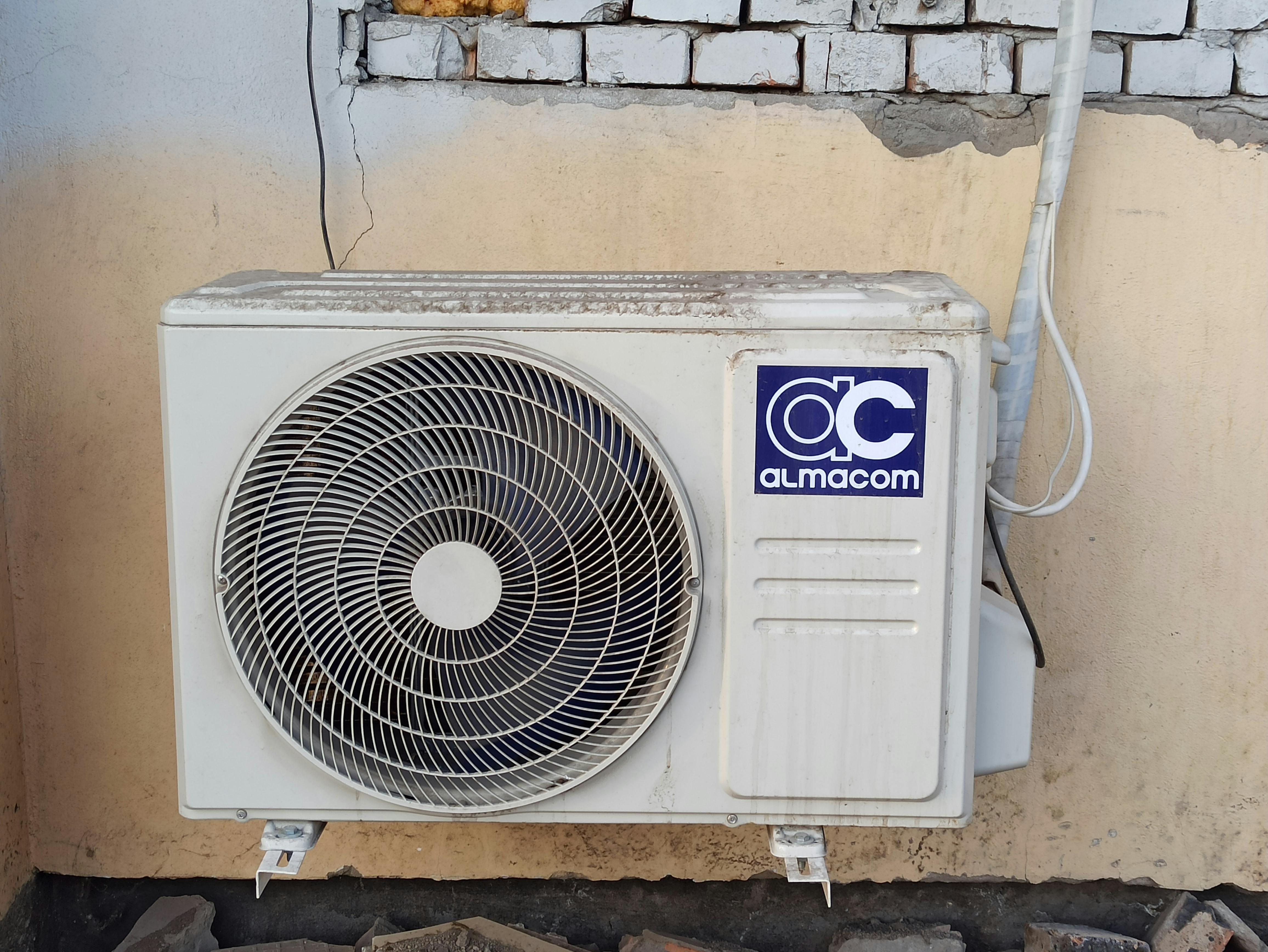
Air Conditioning Repair in Inglewood, CA
When your air conditioner stops keeping your home comfortable on a hot Inglewood afternoon, you need fast, clear answers and reliable repairs. Air Conditioning Repair in Inglewood, CA focuses on diagnosing the real cause of failure, restoring cooling quickly, and helping you decide when a repair is the smart choice versus replacing the system. Inglewood homeowners face prolonged summer heat, occasional heat waves, and seasonal smoke from regional wildfires that put extra strain on HVAC systems. That makes timely, professional AC repair essential for comfort, indoor air quality, and energy costs.
Common AC repair issues in Inglewood homes
Recognizing symptoms early reduces downtime and often lowers overall cost. Watch for these common problems:
- Weak or no cool air: Could indicate low refrigerant, compressor failure, or airflow restriction.
- Short cycling: System turns on and off frequently, often caused by electrical faults, faulty thermostats, or an oversized unit.
- Warm air from vents: Typically tied to compressor issues, refrigerant leaks, or reversed airflow.
- Strange noises: Rattling, humming, or grinding can point to loose parts, failing motors, or compressor distress.
- High energy bills: Lowered efficiency from dirty coils, clogged filters, or failing components.
- Frequent tripping of breakers: Electrical problems, failing capacitors, or a locked compressor.
- Reduced airflow or uneven cooling: Blower motor problems, clogged air filters, or duct leaks—especially common in older Inglewood homes.
- Smells or smoke during operation: Burnt wiring or clogged drainage—requires immediate attention.
Diagnostic process and troubleshooting workflow
A methodical diagnostic workflow ensures repairs fix the root cause, not just symptoms. Typical steps technicians follow:
- Initial inspection and history
- Confirm symptoms, recent events (storms, power surges, smoke exposure), and system age.
- Safety checks
- Verify power, breakers, disconnects, and gas/electrical safety before further testing.
- Thermostat and control verification
- Ensure correct settings, calibration, and communication with the outdoor unit.
- Airflow assessment
- Inspect filters, blower motor, evaporator coil, and ductwork for restrictions or leaks.
- Refrigerant and pressure testing
- Check for proper refrigerant charge and locate leaks when low pressure is detected. Older units using R22 require special handling and higher refill costs.
- Electrical system diagnostics
- Test capacitors, contactors, relays, wiring, and control boards for faults.
- Compressor and mechanical inspection
- Evaluate compressor operation, refrigerant oil, and mechanical wear.
- Final system performance test
- Run the system to verify temperatures, pressures, and stable operation before recommending repairs.
Technicians in California should follow EPA refrigerant-handling rules and local codes. Expect a thorough, documented evaluation so any estimate is based on clear findings.
Typical fixes and what to expect
Common repairs encountered during AC service in Inglewood, CA include:
- Refrigerant leak repair and recharge
- Locate and repair leak, vacuum system, recharge with proper refrigerant. For older R22 systems, refrigerant availability and cost can make this expensive.
- Compressor repair or replacement
- Compressor failures are heavy-duty jobs and often tip the balance toward replacement when the unit is over a decade old.
- Electrical repairs
- Replace capacitors, contactors, relays, fuses, and repair wiring faults. Electrical fixes restore reliable operation and reduce fire risk.
- Blower motor or fan fixes
- Replace bearings, motors, belts, or fan blades to restore correct airflow.
- Evaporator or condenser coil cleanings and repairs
- Cleaning or fin repair improves efficiency. Severely corroded coils may need replacement.
- Control board and thermostat replacement
- Updating controls can improve reliability and efficiency, including compatibility with modern thermostats.
- Drain line clearing and pan repair
- Prevents water damage and mold caused by blocked condensate drains.
Repairs are performed using OEM or approved aftermarket parts. Technicians should explain parts options and expected lifespan for each replacement.
Response times and emergency availability
In Inglewood, response time matters during heat waves. Typical availability patterns:
- Emergency calls (no cooling in extreme heat, electrical burning smell, or leaks causing damage)
- Many technicians offer emergency response windows of 2 to 4 hours when possible. Availability can vary during regional peak demand and heat events.
- Priority same-day appointments
- For urgent but non-emergency issues, same-day slots are commonly available.
- Standard appointments
- Routine diagnostics and repairs are typically scheduled within 24 to 48 hours depending on workload.
Local factors like heat waves, wildfire smoke events, and peak season demand can affect response times. Ask for estimated arrival windows and whether diagnostic fees are applied to repair costs.
Technician certifications and service quality
Quality repair work relies on trained technicians and safe practices. Look for technicians with credentials such as:
- EPA Section 608 certification for refrigerant handling
- NATE or manufacturer-specific certifications for troubleshooting and warranty compliance
- Ongoing training in modern refrigerants, controls, and efficiency standards
- Proof of proper licensing and liability insurance for on-site work
A professional troubleshooting workflow includes documented findings, a recommended scope of work, clear parts lists, and safety checks.
Parts, warranties, and transparent pricing
Expect clarity on parts and guarantees as part of any professional repair:
- Parts: Commonly replaced parts include compressors, capacitors, contactors, motors, pressure switches, and coils. Technicians should specify OEM vs aftermarket parts and any impact on performance or warranty.
- Warranties: Parts and labor warranties vary. Typical labor warranties run from 30 to 180 days, while manufacturer parts warranties can range from 1 year to longer depending on the component. Always request written warranty terms.
- Transparent estimates: Reputable services provide an itemized estimate showing diagnostic fees, part costs, labor hours, and warranty terms. Many apply the diagnostic fee toward the final repair if completed.
- Pricing clarity: For major repairs, technicians should outline estimated ranges and the factors that influence final cost, such as refrigerant type (R22 vs R410A), access complexity, and part availability.
When to repair versus replace
Deciding between repair or replacement depends on age, cost, and long-term efficiency:
- Repair is recommended when:
- The unit is less than 8 to 10 years old and the repair is a modest portion of the equipment value.
- A single, isolated failure (fan motor, capacitor) is the root cause.
- You plan to stay in the home for a short period and immediate cost is the priority.
- Replacement is recommended when:
- The system is older than 10 to 15 years and experiencing major failures like compressor burnout or widespread coil corrosion.
- Repair costs exceed roughly 50 percent of the cost of a new system with similar efficiency.
- The unit uses phased-out refrigerants like R22, making ongoing service expensive.
- You want improved efficiency, reduced monthly energy bills, and updated refrigerant compatibility.
A clear, written estimate should include a comparison of repair cost and a replacement alternative, including potential efficiency gains and likely payback.
Maintenance and prevention for Inglewood homes
Preventive care reduces emergency repairs and keeps systems efficient in Inglewood’s climate:
- Replace or clean filters every 1 to 3 months, more often during wildfire smoke or high pollen.
- Schedule annual or biannual tuneups before peak cooling season to check refrigerant levels, clean coils, and test electrical components.
- Keep outdoor condensers free of debris and shaded when possible to reduce heat load.
- Seal and insulate ducts in older homes to improve airflow and reduce strain.
- Consider adding a programmable or smart thermostat to optimize run times and reduce short cycling.
Timely maintenance extends system life and improves indoor comfort during Inglewood heat events.
Air Conditioning Repair in Inglewood, CA centers on fast, accurate diagnostics, quality repairs backed by certified technicians, and transparent pricing and warranties. Understanding common symptoms, repair options, and when replacement makes sense helps homeowners make confident decisions that balance comfort, safety, and long-term value in the local climate.
Customer
Testimonials
Our customers consistently praise the exceptional service and professionalism of our team. They appreciate the honest advice, meticulous work, and the care taken to ensure their satisfaction.

.webp)
Service Areas
