

Heating Tune-up in Calabasas, CA

When winter conditions in Calabasas get a bit unpredictable, a comprehensive heating tune-up from Plum HVAC is exactly what you need to keep your home safe, efficient, and cozy. We understand the unique challenges here, like dust, wildfire smoke, and even aging ductwork. That's why our thorough inspection covers everything: filters, burners, airflow, safety controls, thermostat calibration, lubrication, and all electrical connections. Our experts at Plum HVAC also handle common diagnostic steps and typical repairs, showing how regular tune-ups and proactive maintenance significantly reduce breakdowns, extend your system's life, and protect your indoor air quality.
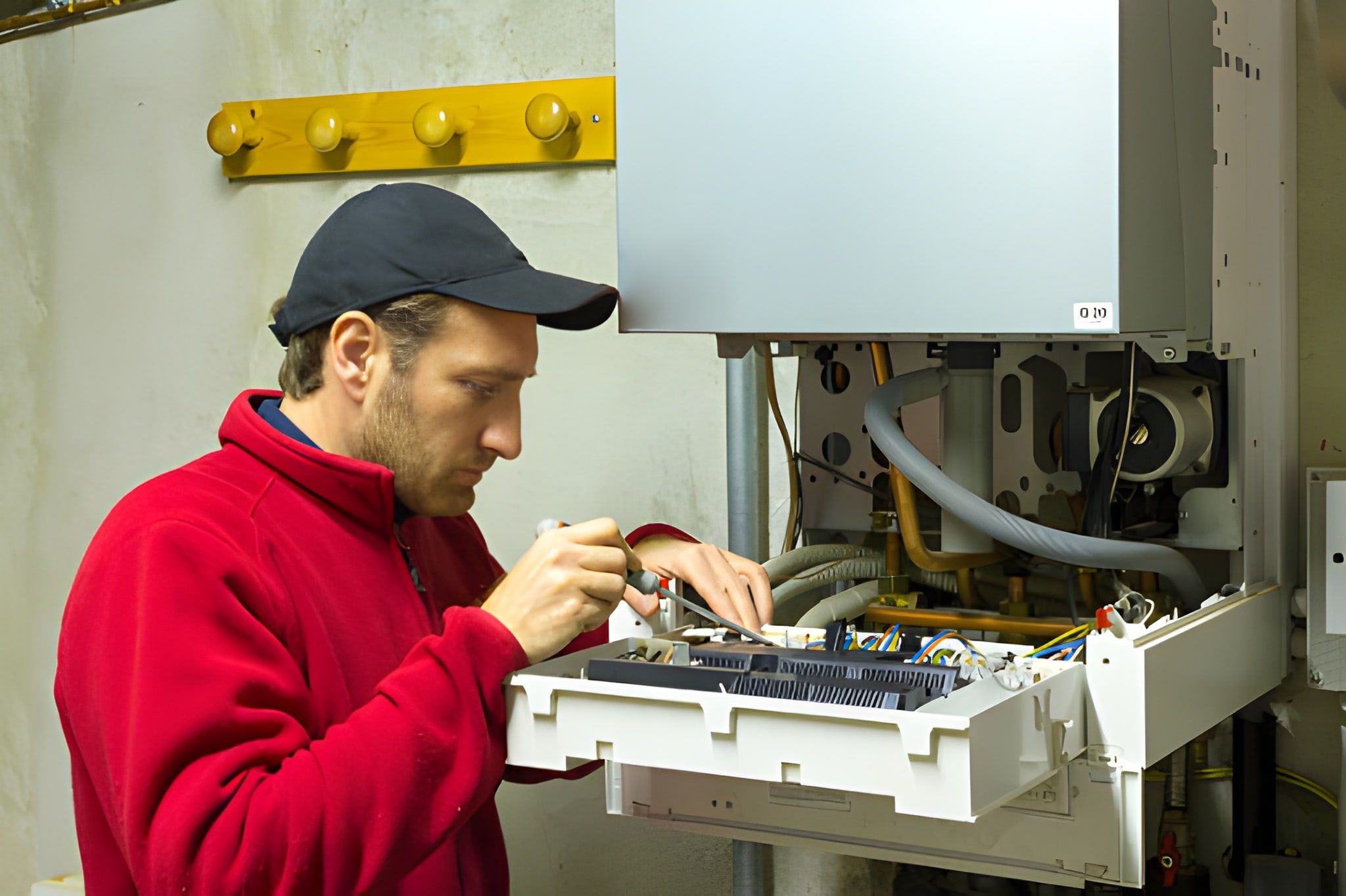
Heating Tune-up in Calabasas, CA
Keeping your home warm, safe, and energy-efficient through Calabasas winters starts with a proper seasonal heating tune-up. A professional heating tune-up in Calabasas, CA addresses common local challenges like temperature swings between canyon nights and valley days, increased dust and wildfire smoke infiltration, and the extra strain older systems experience after long, dry summers. This page explains what a comprehensive tune-up covers, why timely maintenance matters, how technicians diagnose problems, and what service plan options make sense for homes in Calabasas.
Why a seasonal heating tune-up matters in Calabasas
Calabasas experiences mild but variable winters and occasional poor air quality from regional wildfires. Those conditions create several stressors on residential heating systems:
- Dust and smoke particles clog filters and reduce airflow, increasing energy use.
- Cooler, damp nights place higher demand on systems that sit idle most of the year.
- Homes near canyons or with older ductwork are more likely to experience leaks and uneven heating.
A seasonal tune-up restores performance, prevents breakdowns during cold snaps, and helps protect indoor air quality by ensuring filters and ducts are functioning correctly.
What a comprehensive heating tune-up includes
A full inspection and maintenance checklist focuses on safety, efficiency, and reliability. A typical heating tune-up in Calabasas, CA includes:
- Filter changes and inspection
- Replace or clean air filters to restore proper airflow and trap smoke, dust, and allergens.
- Burner and ignition checks
- Inspect burners, pilot assemblies, and electronic ignition for safe, reliable starts and efficient combustion.
- Airflow and duct inspection
- Check supply and return vents for blockages, inspect visible ductwork for leaks or disconnected seams, and verify balanced airflow across rooms.
- Safety controls and combustion testing
- Test limit switches, pressure switches, and perform a combustion or carbon monoxide check to confirm safe operation.
- Thermostat calibration
- Verify thermostat accuracy and program settings so the system maintains target temperatures efficiently.
- Lubrication of moving parts
- Lubricate blower motors and bearings where applicable to reduce friction and extend component life.
- Electrical connections and voltage checks
- Tighten and inspect wiring, relays, and contactors to prevent electrical failures.
- Blower motor and fan inspection
- Measure motor operation, clean blades, and confirm proper speed for optimal airflow.
- Condensate and drainage checks (for high-efficiency units)
- Clear drain lines and check condensate pumps to avoid water damage and system shutdown.
- System performance review
- Measure temperature rise, listen for abnormal noises, and provide recommendations for repairs or filter upgrades.
Common heating issues in Calabasas homes
During tune-ups, technicians frequently find the same issues in local homes. Being aware of these helps set expectations for repairs and long-term maintenance:
- Dirty or clogged filters from seasonal dust and wildfire smoke
- Inconsistent room temperatures due to duct leaks or poor insulation
- Ignition failures or delayed starts from worn igniters or dirty burners
- Reduced efficiency from a dirty heat exchanger or restricted airflow
- Short cycling caused by thermostat issues or improper system sizing
- Safety concerns like cracked heat exchangers or malfunctioning safety switches
Addressing these issues during a tune-up reduces the risk of mid-winter breakdowns and costly emergency repairs.
How technicians diagnose and repair problems
A professional tune-up follows a clear diagnostic process:
- Visual inspection of the furnace or heating equipment and nearby ductwork.
- Filter evaluation and replacement when needed to restore airflow.
- Functional checks of ignition, burners, and safety controls to ensure reliable and safe startup.
- Measurement of system performance metrics such as temperature rise, airflow, and combustion characteristics (when applicable).
- Electrical inspections to identify loose connections or failing components.
- Duct and vent assessment to identify leaks, blockages, or poorly balanced air delivery.
- Recommendations for repairs, part replacements, or upgrades if inefficiencies or safety issues are detected.
Repairs typically involve cleaning burners, replacing igniters or filters, sealing duct leaks, adjusting airflow, recalibrating thermostats, and tightening electrical connections. For safety-related findings, such as a cracked heat exchanger or persistent combustion irregularities, technicians will highlight the issue and recommend replacement or immediate corrective action.
Benefits of regular heating tune-ups
Routine tune-ups deliver measurable benefits that matter for Calabasas homeowners:
- Improved energy efficiency: Clean filters, properly adjusted burners, and correct airflow lower energy consumption and reduce utility bills.
- Fewer breakdowns: Preventive maintenance catches worn parts before they fail during cold weather.
- Extended equipment life: Regular lubrication, cleaning, and calibration reduce wear and extend the usable life of your furnace or heat pump.
- Improved indoor air quality: Timely filter replacement and duct inspection help limit dust, allergens, and smoke particles circulating indoors.
- Safer operation: Safety control testing and combustion checks reduce the risk of carbon monoxide exposure and other hazards.
- More reliable comfort: A tuned system maintains temperature more consistently across rooms and responds accurately to thermostat settings.
Recommended frequency for tune-ups in Calabasas
Annual tune-ups are the standard recommendation for most heating systems, ideally performed before the first sustained cold spells—typically in late fall. For households with heavy winter use, older equipment, or elevated exposure to dust and smoke, consider:
- Annual professional tune-up as a minimum.
- Twice-yearly inspections for systems that serve homes where air quality issues or heavy seasonal use are common.
- More frequent filter changes during wildfire season or extended dusty periods.
Keeping a regular schedule helps avoid the higher costs and inconvenience of emergency repairs.
Service plan options for Calabasas homeowners
Service plans simplify maintenance and prioritize system health. Common plan tiers tailored for Calabasas homes include:
- Basic Maintenance Plan
- Annual tune-up, filter reminders, and priority scheduling windows for regular service.
- Comprehensive Care Plan
- Annual or semi-annual tune-ups, seasonal filter replacements, thermostat calibration, minor parts discounts, and detailed safety inspections.
- Premium Protection Plan
- All Comprehensive benefits plus priority emergency response, extended system performance testing, and dedicated seasonal checks tied to local wildfire and air quality events.
Each plan focuses on reducing downtime, extending equipment life, and maintaining indoor air quality—important for Calabasas residents facing variable weather and occasional smoke infiltration.
Simple maintenance tips between tune-ups
You can support a longer gap between major issues with a few homeowner actions:
- Replace or check filters every 1 to 3 months, more often during wildfire smoke or dusty conditions.
- Keep vents and returns unobstructed by furniture or curtains.
- Program the thermostat for consistent schedules and reduce short cycling from frequent manual adjustments.
- Inspect exposed ducts for obvious tears or disconnected sections.
- Note unusual sounds, odors, or rapid cycling and record when they occur to help technicians diagnose quickly.
Customer
Testimonials
Our customers consistently praise the exceptional service and professionalism of our team. They appreciate the honest advice, meticulous work, and the care taken to ensure their satisfaction.

.webp)
Service Areas
