

Air conditioning tune-ups in South Pasadena, CA ensure safe, efficient, and reliable cooling. Our technicians perform comprehensive inspections, clean coils, test controls, and identify potential issues before they cause breakdowns. Services include filter replacement, refrigerant checks, motor and electrical inspections, thermostat calibration, airflow testing, and condensate maintenance. Regular tune-ups improve energy efficiency, extend equipment life, and enhance indoor comfort. Homeowners can choose annual or biannual maintenance plans for consistent, worry-free cooling year-round.

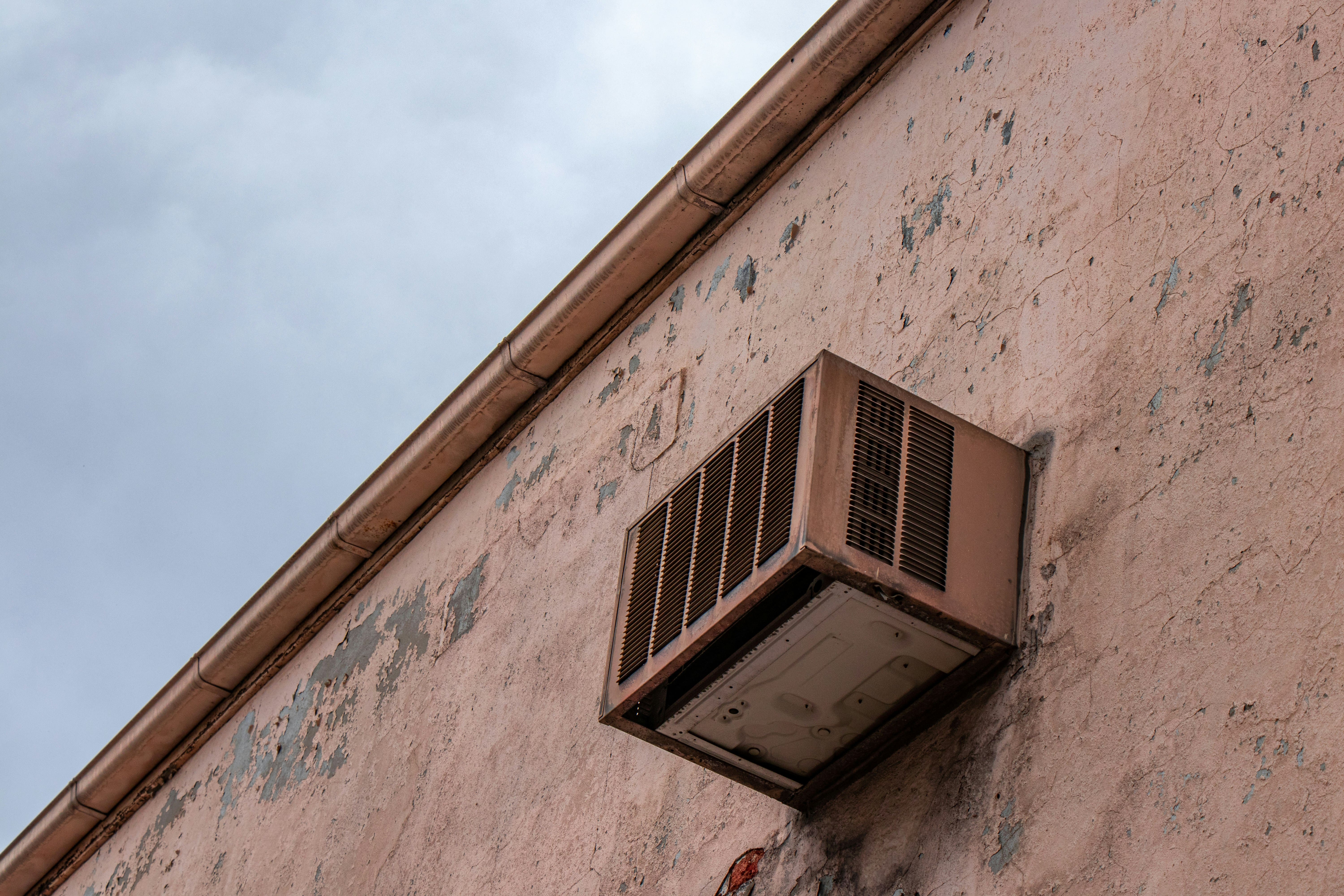
Air Conditioning Tune-up in South Pasadena, CA
Keeping your air conditioning running reliably through South Pasadena summers means more than waiting for a breakdown. A professional air conditioning tune-up in South Pasadena, CA inspects performance, corrects small problems before they become big repairs, and helps restore system efficiency. For homeowners facing hot inland summer days, periodic wildfire smoke and dust, and older, historic home ductwork, seasonal AC maintenance is one of the most effective ways to protect comfort, manage energy use, and reduce unexpected service calls.
Why seasonal AC tune-ups matter in South Pasadena
South Pasadena’s Mediterranean climate brings long cooling seasons and occasional temperature spikes that put sustained load on air conditioners. Local factors that increase the need for tune-ups include:
- Extended summer use that accelerates wear on motors, belts, and electrical components.
- Spring and fall wildfire smoke and frequent construction dust in the region, which load filters and coils faster than in cleaner-air areas.
- Many homes in the area are older with original duct runs or compact attic space, increasing the chance of airflow restrictions and duct leaks.
- Coastal-influenced humidity swings can promote coil corrosion or reduced heat transfer if coils are dirty.
A timely tune-up before the cooling season helps ensure systems start the year running safely and efficiently.
Typical AC tune-up checklist
A complete seasonal tune-up follows a systematic checklist to evaluate safety, performance, and reliability. Typical items include:
- Filter inspection and replacement
- Replace or recommend the correct MERV-rated filter. Dirty filters reduce airflow and strain the system.
- Evaporator and condenser coil cleaning
- Remove debris, dust, and grime that reduce heat transfer and lower efficiency.
- Refrigerant level check and leak assessment
- Measure refrigerant pressures and temperature split. Low levels suggest a leak and reduced cooling capacity.
- Motor, belt, and blower inspection
- Check fan motor bearings, belts and pulleys for wear; lubricate where applicable; verify blower wheel balance.
- Electrical safety and control checks
- Inspect wiring, contactors, capacitors, fuses, breakers and connections for heat damage, corrosion, or loose terminals.
- Thermostat calibration and control verification
- Confirm the thermostat reads accurately and cycles the system correctly; test smart controls if present.
- Airflow and static pressure testing
- Measure supply and return airflow to identify duct restrictions, clogged filters, or failing blowers.
- Condensate drain and pan clearing
- Clear condensate lines and check pumps to prevent overflow and microbial growth.
- Safety controls and cycling test
- Validate high/low-pressure cutouts, limit switches and overall system cycling under load.
- Performance test and documentation
- Record temperature split, operating amperage, voltages, and overall system performance for ongoing comparison.
A typical tune-up appointment usually takes 60 to 90 minutes for a standard split-system unit when no major repairs are required.
Diagnostics: what a technician will look for
During a tune-up, technicians diagnose root causes, not just symptoms. Key diagnostic steps include:
- Live measurements of voltage, amperage, and refrigerant pressures to spot electrical stress or inefficient operation.
- Visual and hands-on inspection of duct seams, returns, and external unit placement to identify airflow impediments.
- Leak detection when refrigerant readings are low and inspection for signs of oil or corrosion around service ports and lines.
- Functional testing of thermostats and zone controls to ensure accurate setpoint control and prevent short cycling.
These diagnostics allow technicians to recommend specific solutions such as coil cleaning, refrigerant repair, motor replacement, or duct sealing.
Common air conditioning tune-up issues in South Pasadena, CA
During seasonal tune-ups in South Pasadena, technicians frequently find:
- Clogged filters and coated coils from wildfire smoke and local dust
- Low refrigerant from hidden leaks, leading to reduced cooling capacity
- Worn fan motors or belts causing noisy operation and lower airflow
- Loose electrical connections and failing capacitors after long run times
- Clogged condensate drains causing water backups and stains
- Thermostat miscalibration or improperly located thermostats reading false temperatures
- Duct leaks or collapsed flex ducts in older homes reducing delivered cooling
Identifying these issues early reduces the chance of mid-summer failures when repair waits are longest.
Benefits of regular tune-ups
Regular seasonal tune-ups deliver measurable and practical benefits for South Pasadena homeowners:
- Improved efficiency and lower energy use: Restoring coils, filters, and proper refrigerant charge helps systems run closer to original efficiency.
- Reduced risk of breakdowns: Preventive inspections catch worn parts and electrical problems before they cause system failure.
- Longer equipment life: Proper lubrication, calibration, and cleaning reduce mechanical stress and extend service life.
- Better indoor air quality: Clean filters and coils reduce dust and particulate recirculation—important during smoke events.
- Consistent comfort: Proper airflow and accurate thermostat control means even temperatures throughout the home.
- Detailed performance records: Tune-ups create baseline data to track declining performance over time and justify targeted repairs or replacement.
Recommended frequency for South Pasadena homes
- Annual professional tune-up: At minimum, schedule a comprehensive check in spring before peak cooling demand.
- Biannual service for heavy-use systems: Homes with multiple occupants, high runtime, or persistent indoor air issues may benefit from spring and mid-summer checks.
- Filter checks and changes: Inspect filters monthly when smoke or dust is present; otherwise every 1 to 3 months depending on filter type and household needs.
- After-event inspection: Schedule a targeted inspection after prolonged power outages, flood events, or visible smoke infiltration.
What tune-up plans and service agreements typically include
Tune-up plans and service agreements commonly provide value for ongoing support and predictable maintenance:
- Scheduled seasonal inspections and documented tune-ups
- Priority scheduling during peak season and faster emergency response tiers
- Reduced diagnostic fees or waived service call fees for members
- Discounts on repair parts and labor, and negotiated rates for replacements
- Maintenance reminders and performance history for each unit
- Optional indoor air quality checks and add-on services like duct sealing
These plans are designed to lower total cost of ownership by preventing major repairs and maximizing system life.
Simple maintenance homeowners can do between tune-ups
- Replace or clean filters regularly based on use and local air quality.
- Keep at least 2 feet of clearance around the outdoor unit; clear leaves and yard debris.
- Ensure vents are open and unobstructed; avoid blocking returns.
- Set thermostats to reasonable setbacks rather than dramatic swings that cause short cycling.
- Monitor for unusual noises, odors, or frequent cycling and arrange an inspection if noticed.
A seasonal professional air conditioning tune-up in South Pasadena, CA preserves comfort, reduces surprises, and protects your investment. Routine inspections tailored to the local climate and home conditions help systems operate safely and efficiently when you need them most.
Customer
Testimonials
Our customers consistently praise the exceptional service and professionalism of our team. They appreciate the honest advice, meticulous work, and the care taken to ensure their satisfaction.

.webp)
Service Areas
