

Heating Tune-up in Pasadena, CA

An annual heating tune-up in Pasadena, CA ensures reliable operation, improved efficiency, and safer furnace performance through comprehensive inspections of gas, electric, heat pump, and ducted systems. The service covers filters, burners, thermostats, safety controls, combustion analysis, and venting, with detailed adjustments and a written recommendations report. Regular maintenance reduces unexpected outages, lowers energy costs, preserves equipment life, and supports warranty requirements. It fits into a broader plan with reminders, prioritized repairs, and flexible scheduling for year-round comfort.
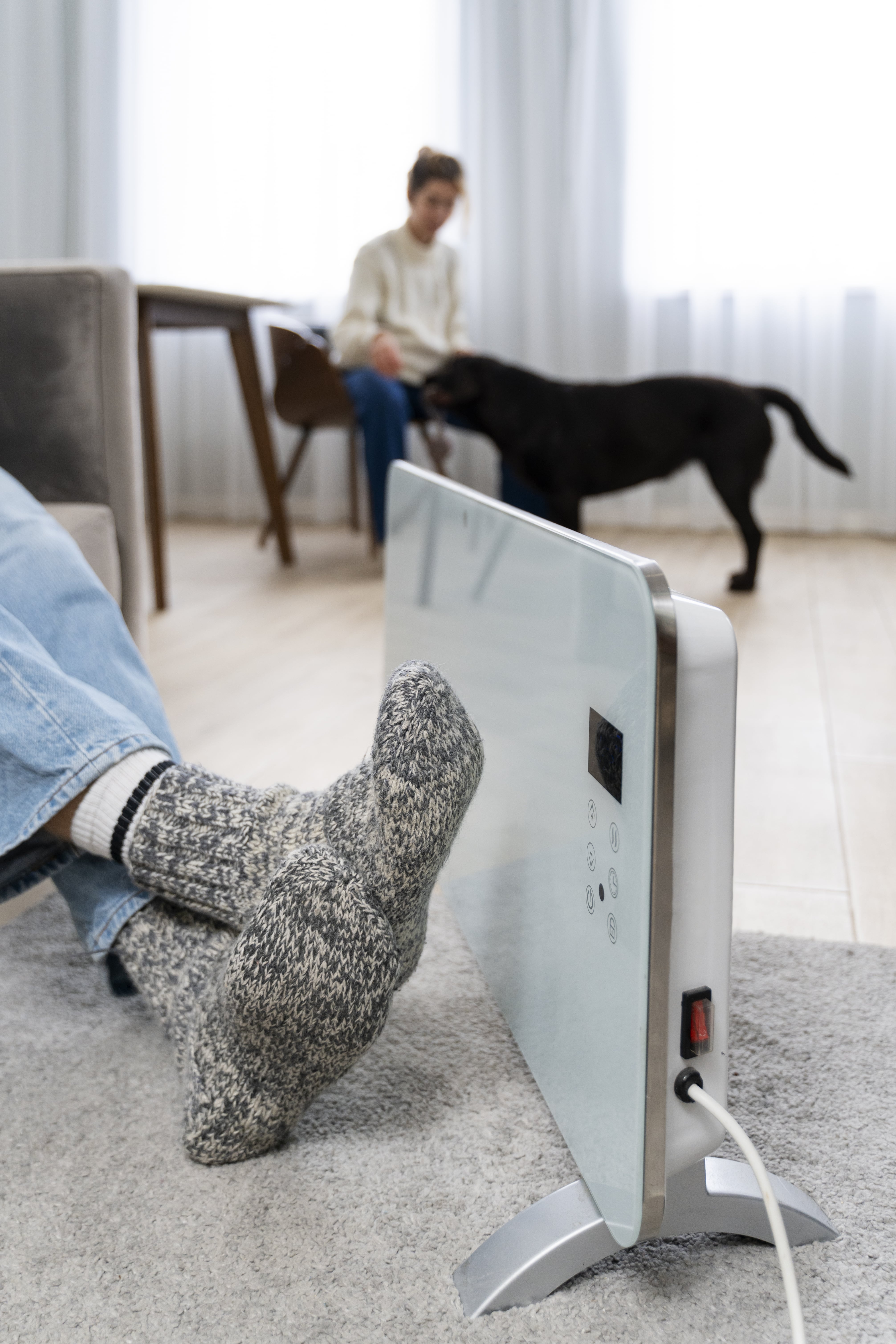
Heating Tune-up in Pasadena, CA
An annual Heating Tune-up in Pasadena, CA keeps your heating system reliable, efficient, and safe throughout the cooler months. Even though Pasadena winters are milder than many parts of the country, homes still rely on furnaces and heat pumps during cold snaps and chilly evenings. A seasonal tune-up reduces unexpected breakdowns, lowers energy bills, and helps with indoor air quality—important here where seasonal dust, pollen, and occasional wildfire smoke increase strain on filters and system components.
Why a seasonal heating tune-up matters in Pasadena homes
- Reliability: Short, unexpected heating outages are inconvenient and can be preventable. Tune-ups catch worn parts before they fail.
- Energy savings: A clean, well-adjusted system runs more efficiently, using less energy on those cooler Pasadena nights.
- Safety: Fuel-burning equipment requires inspection for safe combustion and proper venting to reduce carbon monoxide risk.
- Indoor air quality: High local pollen counts and periodic wildfire smoke increase filter demand. A tune-up ensures filters and seals are doing their job.
- Equipment life span and warranty compliance: Routine maintenance reduces wear and supports manufacturer warranty requirements.
Common heating systems and typical Pasadena issues
- Gas furnaces: Common in older and mid-century Pasadena homes. Issues include dirty burners, misaligned ignitors, clogged filters, and cracked heat exchangers.
- Heat pumps and mini-splits: Widely used for year-round comfort in Southern California. Problems can include low refrigerant, dirty outdoor coils, and failing defrost cycles.
- Electric furnaces and baseboard heaters: Simpler systems that still need electrical inspections, element checks, and thermostat calibration.
- Ducted systems: Leaky or dirty ducts reduce efficiency and circulate outdoor pollutants through living spaces.
Typical inspection and maintenance tasks included in a heating tune-up
A complete seasonal heating tune-up covers visual, mechanical, electrical, and safety checks. Typical tasks include:
- Filter inspection and replacement or recommendation for the correct MERV rating for your home
- Burner and ignition system checks and cleaning for gas appliances
- Thermostat calibration and verification of schedule programming and sensors
- Safety controls testing including limit switches, flame sensors, and carbon monoxide monitoring where applicable
- Combustion analysis on gas systems to verify efficient and safe fuel burning
- Inspection of flue, venting, and heat exchanger for corrosion, leaks, or blockages
- Blower motor inspection, lubrication where applicable, and belt inspection/tensioning
- Electrical connections check and tightening to prevent arcing and premature failures
- Inspection and cleaning of heat exchanger, coils, and condensate lines for heat pumps
- Refrigerant level check and leak detection for heat pumps and ductless systems
- Air flow and static pressure measurement to confirm proper circulation
- Duct inspection for visible leaks, disconnections, and excessive dust build-up
- Efficiency adjustments such as fan speed optimization and burner tuning
What the diagnostic and service process looks like
Technicians follow a consistent, safety-first process during a seasonal tune-up:
- System start-up and visual inspection: Confirm safe operation and identify obvious issues such as corrosion, water leaks, or damaged components.
- Air filter and airflow check: Assess filter condition and measure airflow to determine if cleaning or replacement is needed.
- Combustion and safety tests for gas systems: Measure flame quality and combustion gases, test safety interlocks, and verify venting integrity.
- Electrical and mechanical inspection: Test motors, capacitors, relays, and thermostatic controls, tighten connections, and lubricate moving parts if required.
- Performance testing: Measure temperature rise across the furnace or heating coil, check refrigerant pressures on heat pumps, and confirm thermostat accuracy.
- System tuning and adjustments: Adjust burner valves, blower speed, and thermostat settings to improve efficiency and comfort control.
- Documentation and recommendations: Provide a clear report of findings and a prioritized list of recommended repairs or replacements, with expected benefits for each.
Common issues uncovered during tune-ups in Pasadena, CA
- Clogged filters and restricted airflow from seasonal pollen and dust
- Dirty burners or weak ignition leading to intermittent heating
- Thermostats out of calibration causing short-cycling or uneven temperatures
- Low refrigerant in heat pumps from leaks that reduce heating capacity
- Duct leaks that lower system efficiency and distribute outdoor particulates
- Worn blower motors or failing capacitors that increase energy use and risk of failure
Repairs and solutions explained simply
- Filter replacement: Swapping to the right filter size and MERV rating helps balance airflow and particle capture. For homes sensitive to smoke or allergens, a higher MERV can improve indoor air quality while monitoring airflow reductions.
- Burner and ignition service: Cleaning and adjusting burners and testing ignition systems restores reliable starts and balanced combustion.
- Thermostat calibration: Replacing or reprogramming thermostats eliminates guesswork and often improves comfort while reducing unnecessary runtime.
- Seal and duct repairs: Sealing leaks and insulating ducts preserves heated air and reduces wasted energy.
- Refrigerant repair and recharge: For heat pumps, locating and repairing leaks and restoring proper charge returns lost capacity and efficiency.
- Safety-critical repairs: Addressing cracked heat exchangers, blocked vents, or failed safety switches is prioritized to protect occupants.
Recommended frequency and how tune-ups fit into a maintenance plan
- Annual tune-up: A single annual heating tune-up before the heating season starts is generally recommended for most Pasadena homes.
- Twice-yearly checks: Homes with heat pumps that run year-round, households with severe allergies or frequent wildfire smoke events, or older systems can benefit from biannual inspections—one in fall for heating and one in spring for cooling.
- Part of a maintenance plan: A formal maintenance plan bundles seasonal tune-ups into a predictable schedule. Plans typically include inspection reminders, prioritized service scheduling, and a documented maintenance history that helps with long-term equipment planning.
Broader benefits beyond immediate repairs
Regular tune-ups in Pasadena not only reduce emergency repairs and lower energy costs but also help maintain consistent comfort during variable local weather. Proper maintenance minimizes wear, helps systems perform to manufacturer specifications, and reduces the likelihood of early replacement. In areas affected by dust, pollen, and smoke, maintaining clean filters and seals contributes to healthier indoor air for occupants.
Keeping your heating system tuned and tested before Pasadena’s cooler season ensures safe operation, steady comfort, and better energy efficiency. Regular seasonal maintenance is the practical way to protect your investment and avoid the frustration of preventable breakdowns.
Customer
Testimonials
Our customers consistently praise the exceptional service and professionalism of our team. They appreciate the honest advice, meticulous work, and the care taken to ensure their satisfaction.

.webp)
Service Areas
