

Air conditioning replacement in Maywood, CA addresses aging systems and rising energy costs with guidance on when replacement is warranted, how newer equipment saves energy, and what to expect during installation. The page covers signs such as age, high bills, uneven temperatures, and refrigerant changes, plus sizing considerations, ductwork, and available system types. It also outlines removal, permitting, installation timelines, and financing incentives to help homeowners plan a value-driven update that improves comfort and long-term savings.

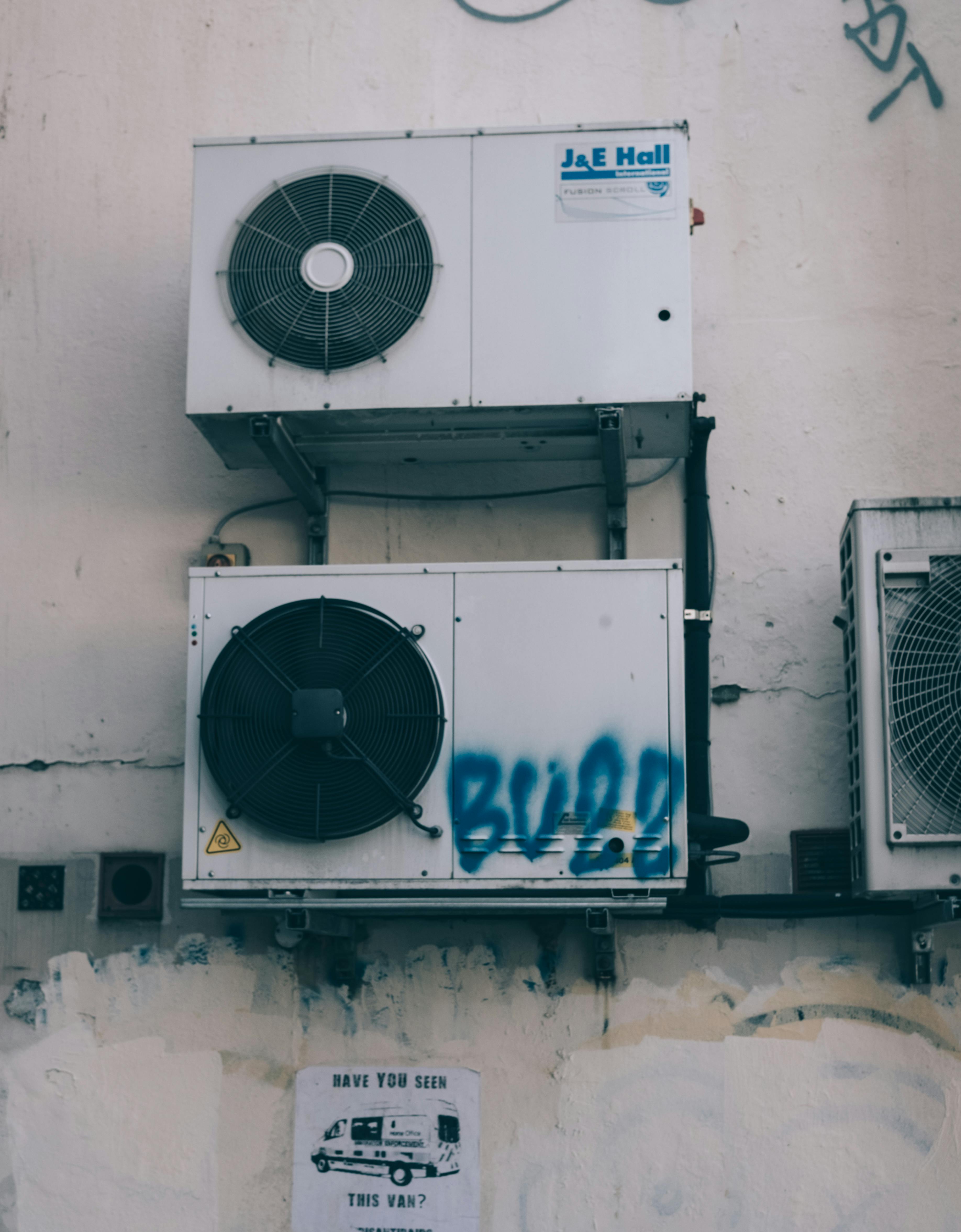
Air Conditioning Replacement in Maywood, CA
Upgrading your cooling system is one of the most effective ways to improve comfort, reduce energy bills, and avoid unexpected breakdowns in Maywood, CA homes. With hot, sunny summers, dense urban neighborhoods, and older housing stock common in the area, systems that are undersized, aged, or inefficient struggle to keep pace. This page explains when an AC needs replacement, how modern equipment saves energy, what to expect from the replacement process, and how local factors influence the best choices for Maywood properties.
Common signs your AC needs replacement in Maywood, CA
If you recognize any of these issues, replacement is often the most cost-effective and reliable solution:
- Age and frequent repairs: Most central A/C units older than 10 to 15 years lose efficiency and require frequent fixes. Repair costs add up quickly and signal diminishing returns.
- Rising energy bills: Higher monthly cooling costs despite normal use usually mean the system is losing efficiency.
- Uneven cooling or poor humidity control: Older units and undersized systems struggle with Maywood heat and humidity swings, leaving rooms too warm or sticky.
- Uses phased-out refrigerant: Units that rely on R22 refrigerant are more expensive to maintain because that refrigerant is no longer produced or is costly.
- Loud operation, unpleasant odors, or visible wear: Mechanical noise, burning smells, or refrigerant stains indicate significant deterioration.
- Inability to meet comfort goals: If upgrades like a thermostat reset or minor repairs do not restore comfort, replacement is usually the better long-term investment.
Energy-efficiency benefits of newer models
New systems deliver measurable advantages for Maywood homeowners:
- Higher SEER ratings and inverter technology: Modern compressors run more efficiently and maintain temperature with less on-off cycling, reducing energy use and improving comfort.
- Improved humidity control: Variable-speed units manage moisture better, which helps homes feel cooler without overcooling.
- Heat pump options: Many modern units can both cool and heat efficiently, offering year-round utility in mild California winters and eliminating separate heating equipment in some homes.
- Smart controls and zoning: Integrating compatible thermostats and zoning lets you only cool occupied spaces, which lowers bills in densely built neighborhoods.
Cost vs long-term savings analysis
Deciding between repair and replacement requires looking beyond initial price:
- Upfront cost: Replacement is a larger immediate expense than a single repair, but it eliminates recurring repair bills and restores efficiency.
- Operational savings: New systems often reduce energy consumption significantly. For many homeowners, reduced utility bills and fewer repairs offset the initial investment over several years.
- Value retention: A new, properly sized system increases home resale appeal and can prevent emergency replacements during peak heat.
- Break-even considerations: Factors that influence payback include current system age, local electricity rates, cooling load, and how long you plan to stay in the home. In Maywood, where summer cooling demands are consistent, efficiency gains can be especially meaningful.
Equipment sizing and upgrade options for Maywood homes
Proper sizing and system selection are critical to performance and longevity:
- Load calculation (Manual J): Accurate sizing based on your home layout, insulation, window exposures, occupancy, and local climate avoids short cycling or underperformance.
- Ductwork evaluation: Leaky or poorly sized ducts reduce efficiency. Sealing or resizing ducts during replacement often yields better results than installing a higher-capacity unit alone.
- System types:
- Central split systems: Common in older homes; effective when paired with sealed ducts.
- Heat pumps: Efficient year-round and an excellent option for California climates.
- Ductless mini-splits: Good for additions, rooms without ducts, or homes with limited yard space like many Maywood properties.
- Accessory upgrades: Variable-speed air handlers, high-efficiency coils, and smart thermostats can improve comfort and efficiency.
Removal and disposal of old units
Safe, compliant removal protects your property and the environment:
- Refrigerant recovery: Technicians must recover and properly recycle refrigerants using certified equipment to comply with federal and state rules.
- Responsible disposal: Metal components and other materials are sorted and recycled where possible. Proper disposal prevents hazardous materials from entering the waste stream.
- Permit and code compliance: Local permitting ensures installations meet California energy codes and safety standards.
Typical installation timeline
Understanding the process helps set expectations for minimal disruption:
- Site visit and final selection: A detailed assessment and load calculation usually precedes ordering equipment.
- Permitting: Depending on local requirements and the scope of work, permitting can add days to a week or more; the bulk of installations in residential settings follow quick permit turnaround in many Southern California cities.
- Removal and installation: Most residential replacements are completed in one to three business days: remove the old system, prepare the pad or rooftop support, install the new equipment, hook up refrigerant and electrical, pressure-test and evacuate lines, and charge and test the system.
- Final testing and walkthrough: Technicians verify performance, calibrate controls, and demonstrate the system features.
Incentives and financing options available in the region
Several programs and financing paths can reduce net costs or spread payments:
- Utility and state incentives: California and Southern California utility providers often offer rebates for high-efficiency equipment and heat pump installations. These incentives change over time and can significantly lower out-of-pocket expense.
- Federal tax credits: Periodic federal incentives exist for certain energy-efficient HVAC upgrades; eligibility depends on program rules and equipment specifications.
- Financing solutions: Many homeowners use low-interest financing, energy loan programs, or on-bill repayment through select utilities to manage upfront costs.
- Energy savings programs: Combining a high-efficiency system with insulation or thermostat upgrades may make you eligible for additional rebates.
Guarantees, workmanship, and quality assurance
Protecting your investment matters, especially in a tight urban community like Maywood:
- Manufacturer warranties: New equipment typically includes manufacturer parts warranties; ensure your model’s terms are clear.
- Workmanship guarantees: Reputable installations include an installer’s workmanship warranty covering labor and installation defects for a defined period.
- Performance verification: Proper startup, refrigerant charge verification, airflow balancing, and documentation of seasonal performance help ensure long-term efficiency.
- Maintenance planning: Establishing a routine maintenance schedule preserves efficiency and warranty coverage.
Final considerations for Maywood homeowners
Replacing an air conditioner in Maywood, CA, is about balancing comfort, long-term savings, and neighborhood constraints such as small yards and older home designs. Prioritize a professionally sized system, ensure proper ductwork and refrigerant handling, and explore local incentive programs to maximize value. A well-planned replacement will deliver consistent cooling through hot months, better humidity control, and lower operating costs for years to come.
Customer
Testimonials
Our customers consistently praise the exceptional service and professionalism of our team. They appreciate the honest advice, meticulous work, and the care taken to ensure their satisfaction.

.webp)
Service Areas
