

Air conditioning installation in Pomona, CA provides a complete process from site assessment and load calculations to equipment selection, ductwork planning, and electrical evaluation. Local challenges such as aging ducts, insulation, and electrical panels are addressed, while energy-efficient options—like high-efficiency heat pumps, variable-speed compressors, and ENERGY STAR units—ensure optimal performance. The process includes permits, code compliance, system commissioning, post-install testing, and maintenance guidance to deliver long-lasting comfort, efficiency, and reliability in Pomona homes.

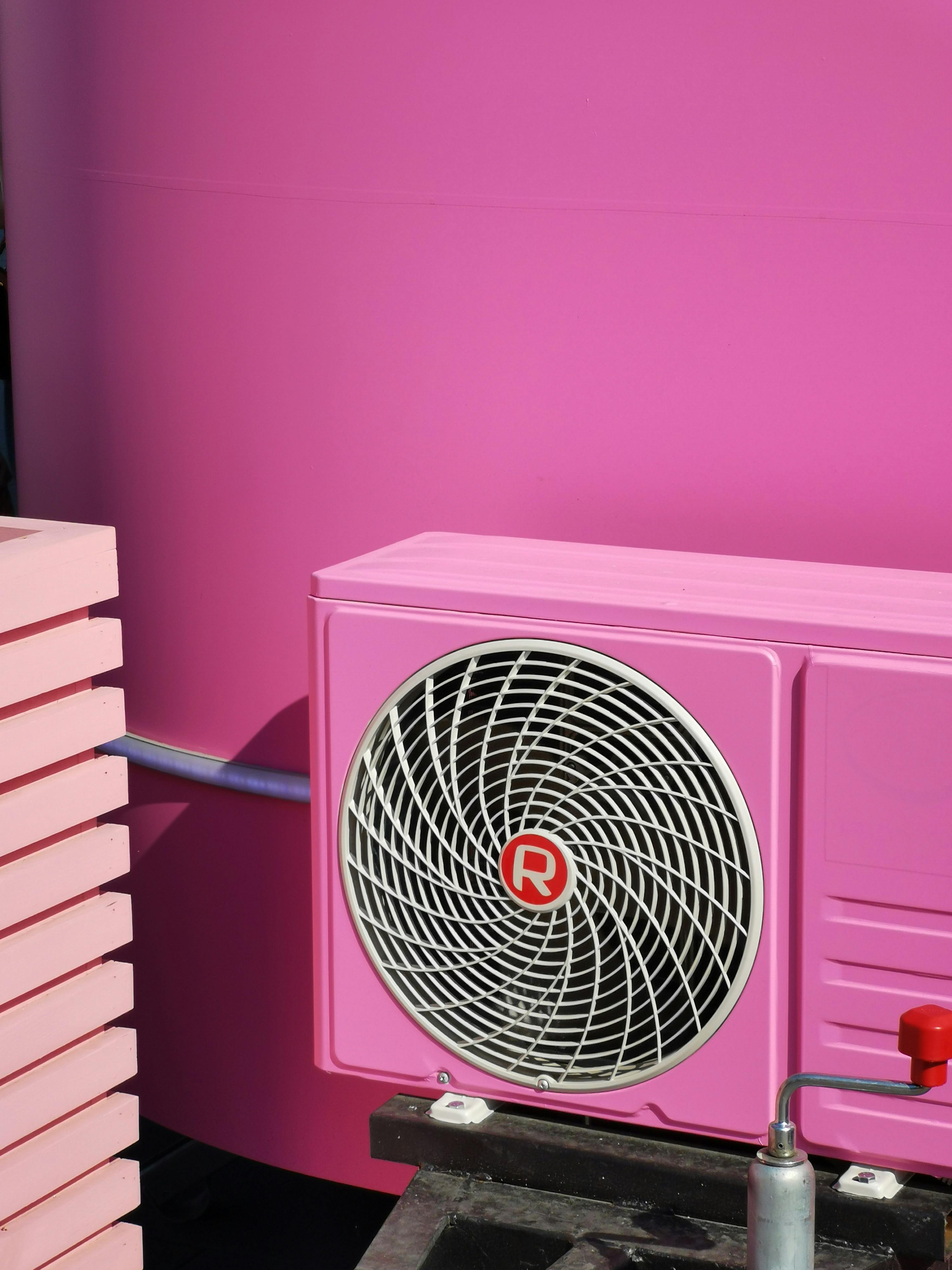
Air Conditioning Installation in Pomona, CA
Installing a new air conditioning system in Pomona, CA is a decision that affects comfort, energy bills, indoor air quality, and home value. With hot summers, periodic heat waves, and older neighborhoods with varied construction, proper AC installation matters more here than a simple equipment swap. This page explains the end-to-end AC installation process for Pomona homes, common local challenges, energy-efficient options, code and permitting considerations, and what to expect after the unit is set up.
Why careful AC installation matters in Pomona, CA
Pomona experiences long, warm seasons with occasional extreme heat events. Many homes were built before modern energy codes and may have undersized or leaky ductwork, inadequate insulation, or electrical panels that need upgrading. A correctly sized and installed system will:
- Keep indoor temperatures comfortable during high outdoor heat
- Reduce humidity and improve indoor air quality, which matters when wildfire smoke affects the region
- Lower monthly energy costs through higher-efficiency equipment and proper commissioning
- Extend equipment life and protect warranty coverage
Common air conditioning installation needs in Pomona
- Full system replacement (outdated or failed central AC)
- Upgrade to high-efficiency heat pump systems for cooling and heating
- New ducted or ductless installations for additions or homes without existing ducts
- Ductwork repair, sealing, or balancing to improve performance
- Electrical service upgrades to meet modern equipment requirements
Site assessment, load calculations, and system sizing
A professional installation begins with a thorough site assessment tailored to Pomona homes. Key steps:
- Inspect home orientation, insulation levels, window types, shading, attic ventilation, and existing duct conditions
- Perform Manual J load calculations (house-by-house cooling load) to determine the correct system size — avoiding oversized units that short-cycle or undersized units that run continuously
- Evaluate distribution needs (ducted vs ductless) and the best location for outdoor condensing units to minimize sun and noise exposureAccurate sizing ensures the system handles Pomona heat while maintaining efficiency and humidity control.
Comparing energy-efficient models for Pomona residents
Energy-efficient equipment reduces operating costs and can be a smart long-term investment in Southern California’s climate. Considerations:
- SEER and HSPF ratings (higher SEER for cooling efficiency, HSPF for heat pump heating efficiency)
- Variable-speed compressors and multi-stage systems for better humidity control and quieter operation
- All-electric heat pumps as an efficient alternative to traditional split systems, and aligned with California’s electrification trends
- ENERGY STAR certified units and equipment with advanced refrigerant controlsChoosing the right efficiency level balances upfront cost with projected savings given Pomona’s typical cooling season.
Ductwork and electrical considerations
Many installation issues stem from distribution and power:
- Ductwork: Inspect for leaks, improper sizing, poor insulation, or collapsed sections in older homes. Sealing, insulating, or replacing ducts can dramatically improve performance.
- Airflow balancing: Properly sized plenums, returns, and supply registers are essential for even cooling across rooms.
- Electrical: Modern high-efficiency units may require dedicated breakers, updated disconnects, or service panel capacity checks. Ensure wiring and breaker sizing match manufacturer specs.Addressing these elements during installation prevents common post-installation problems like uneven cooling, high energy use, or tripped breakers.
Permit, code compliance, and refrigerant handling
Installations in Pomona must follow local building codes and California state regulations:
- Obtain required building and electrical permits from the City of Pomona prior to work
- Meet California Title 24 energy code requirements for new equipment and envelope improvements
- Ensure technicians comply with EPA Section 608 certification for refrigerant handling and California refrigerant regulationsFollowing permit and code protocols protects homeowners from future compliance issues and preserves warranty eligibility.
Typical installation timeline and what to expect
While timelines vary with project complexity, a normal residential installation follows this sequence:
- Pre-install assessment and load calculations (1 visit)
- Permit application and approval (time varies by jurisdiction)
- Equipment delivery and site preparation (day of install)
- System installation, including condensing unit, indoor coil/air handler, and ductwork work (1–3 days)
- Electrical tie-in and safety checks
- Commissioning and testing (same day as completion)Complex projects with duct replacement or electrical upgrades may require multiple days and coordination with inspectors.
Post-installation testing and commissioning
Proper testing ensures the system performs as designed:
- Verify refrigerant charge and pressures per manufacturer specifications
- Measure airflow and temperature split to confirm adequate cooling capacity
- Check electrical connections, start/stop cycles, and safety controls
- Inspect condensate drainage and insulation
- Demonstrate thermostat programming and explain maintenance needs to the homeownerCommissioning reduces callbacks and maximizes efficiency in Pomona’s climate.
Warranty, maintenance recommendations, and longevity
To protect your investment:
- Confirm manufacturer and installer warranty coverage, noting any requirements for regular maintenance to keep warranties valid
- Schedule annual tune-ups before the cooling season for refrigerant checks, airflow testing, filter replacement, and coil cleaning
- Replace air filters per usage and consider MERV ratings appropriate for wildfire smoke concerns
- Keep outdoor units clear of debris and avoid placing them in direct sun where possible to improve efficiencyRoutine maintenance prolongs equipment life and maintains peak efficiency in the hot Pomona summers.
Financing and rebate considerations in Pomona
Homeowners in Pomona may qualify for various financing options and incentives that lower upfront costs:
- Utility and state rebate programs for high-efficiency equipment or heat pump conversions
- Federal tax credits for qualifying energy-efficient upgrades (subject to current legislation)
- Manufacturer or third-party financing plans for installationsAlways verify program eligibility and documentation requirements before purchasing to ensure rebates and credits can be applied.
Final notes on value and performance
A professionally planned and executed air conditioning installation in Pomona, CA ensures comfort through hot weather, better indoor air quality during wildfire events, and improved energy performance. Prioritizing accurate load calculations, proper ductwork and electrical preparations, compliance with permits and codes, and thorough commissioning will deliver reliable cooling, lower operating costs, and peace of mind for years to come. Regular maintenance and attention to warranty terms help protect the system’s efficiency and your home’s comfort in Pomona’s unique climate.
Customer
Testimonials
Our customers consistently praise the exceptional service and professionalism of our team. They appreciate the honest advice, meticulous work, and the care taken to ensure their satisfaction.

.webp)
Service Areas
