

Thermostat Repair in Altadena, CA

Thermostat repair in Altadena, CA explains common issues - incorrect readings, unresponsive controls, wiring faults, short cycling, and power problems - that affect comfort and energy use. The page outlines a methodical diagnostic process: visual inspection, power verification, wiring tests, sensor calibration, and control communication checks. It covers typical repairs such as recalibration, battery replacement, wiring repair, thermostat replacement, and control-board fixes, plus expected turnaround times, homeowner troubleshooting tips, maintenance strategies, and service guarantees to ensure reliable HVAC operation.
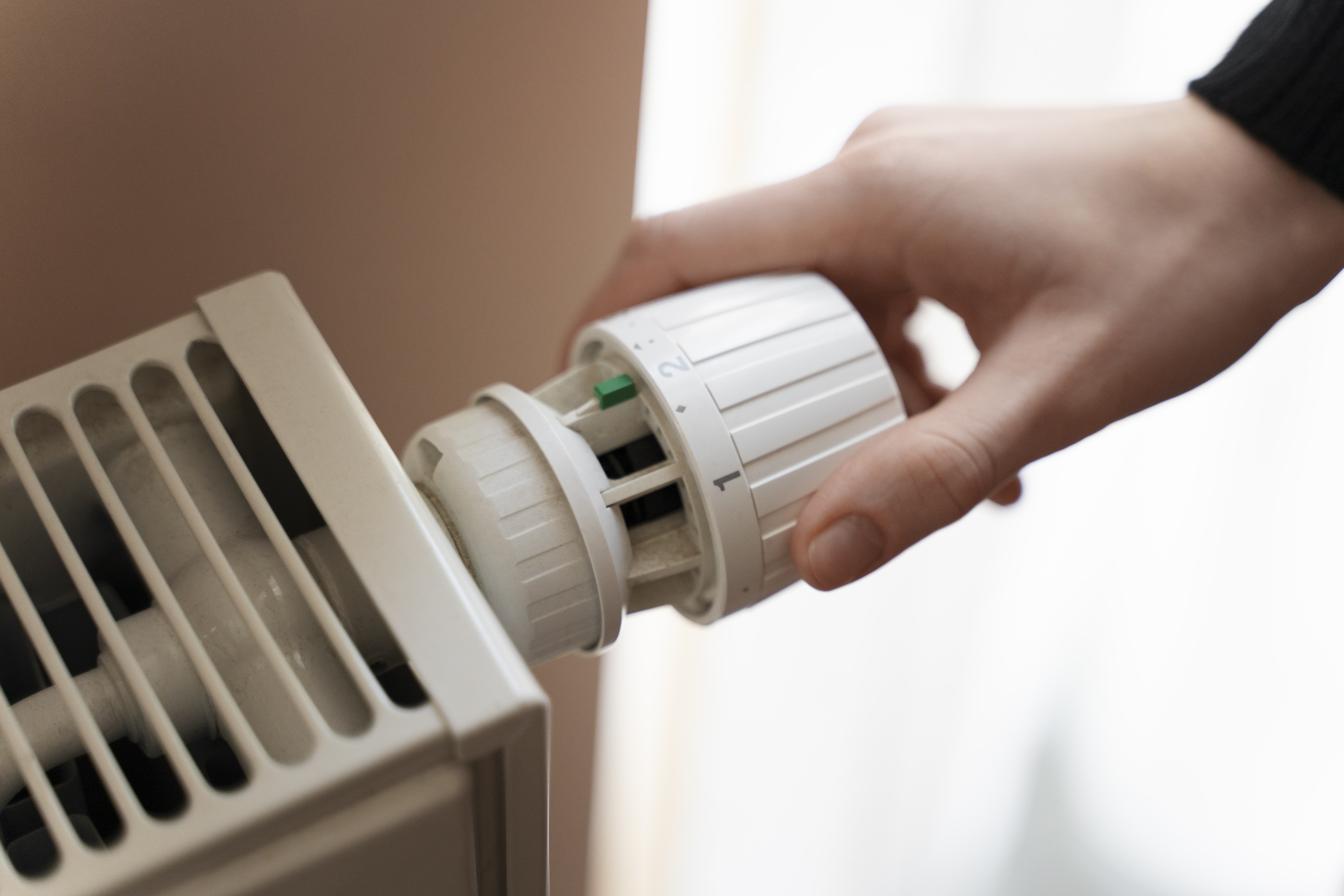
Thermostat Repair in Altadena, CA
A properly functioning thermostat keeps your Altadena home comfortable, energy-efficient, and safe. When a thermostat gives incorrect temperature readings, fails to control heating or cooling, or shows wiring faults, the result is uneven temperatures, higher utility bills, and unnecessary equipment wear. This page explains the common thermostat problems seen in Altadena homes, how technicians diagnose and repair them, what you can try before a service visit, routine maintenance to avoid repeat failures, and the service assurances typically provided.
Common thermostat issues in Altadena, CA
Altadena’s mix of older Craftsman-style homes and newer construction, combined with hot summers, cool nights, seasonal dust and wildfire smoke, leads to specific thermostat problems:
- Incorrect temperature readings
Thermostats that read warmer or cooler than actual room temperature cause short-cycling or extended runtimes. Dust on sensors, a thermostat positioned in direct sunlight on a south-facing wall, or poor placement near vents can cause false readings. - Failed controls or unresponsive unit
Digital displays that blank out, touch controls that stop responding, or programmable settings that reset are common with aging digital thermostats or those affected by power surges and voltage fluctuations during heat waves. - Wiring faults and loose connections
Older Altadena homes often have legacy wiring or multi-zone installations. Corroded terminals, damaged wire insulation, or rodent-nibbled leads lead to intermittent operation, error codes, or no communication with the HVAC system. - Short-cycling or thermostat-triggered system trips
Incorrect calibration or failing control circuitry can cause the HVAC to short-cycle, increasing wear on compressors and furnaces. - Battery or power supply problems
Battery-powered thermostats can go offline with dead batteries. Hardwired units may suffer from low-voltage transformer issues or tripped breakers.
How thermostats are diagnosed
A professional diagnostic follows a methodical approach to identify the root cause without unnecessary parts replacement:
- Visual and operational inspection
Check thermostat placement, cleanliness, display and button function, and verify correct mode and setpoints. - Battery and power verification
Test batteries and low-voltage power (24V) from the furnace/air handler transformer. Confirm continuity and voltage stability. - Wiring and terminal tests
Inspect terminal connections for corrosion or looseness and test each control wire for continuity, shorts, or incorrect voltages. - Sensor and calibration checks
Compare thermostat reading to an accurate thermometer. Test internal sensors and recalibrate if possible. - Control and communication diagnostics
For smart or connected thermostats, verify WiFi connection, software status, and communication with the HVAC control board or smart system. - System-level checks
Run the heating and cooling cycles to observe relay behavior, response time, and any fault codes produced by the HVAC equipment.
Typical repairs and part replacements
Based on diagnosis, common repairs include:
- Thermostat recalibration or software update
Adjusting sensor calibration or applying firmware updates for smart units restores accurate control. - Battery replacement and power restoration
Replacing batteries, resetting breakers, or repairing transformer issues. - Wiring repair or replacement
Tightening terminals, replacing damaged wire segments, or installing new connectors. In older homes this may include upgrading to modern 18/5 thermostat wire. - Replacement of thermostat unit
Replacing failing digital or mechanical thermostats with a compatible programmable or smart thermostat to improve control and efficiency. - Relay, switch, or control board repairs
When a thermostat is fine but the control board or relays are failing, replacing these components resolves system-level faults. - Installation of isolation or surge protection
Adding surge protection to protect sensitive digital thermostats from voltage spikes common during storms or grid fluctuations.
Expected turnaround times
Typical service timelines for thermostat issues in Altadena homes:
- Diagnostic visit: 30–60 minutes (detailed inspection and testing)
- Simple repairs (batteries, recalibration, fast wiring fixes): 30 minutes–2 hours
- Thermostat replacement or multi-zone wiring work: 1–3 hours
- Complex control board or system-level repairs: 2–4 hours (may require additional parts)
These are typical durations; job complexity, the need for compatible replacement parts, or older wiring upgrades can extend timeframes.
Troubleshooting tips homeowners can try
Before scheduling a professional visit, try these safe, low-effort steps:
- Check batteries in battery-powered units and replace with fresh alkalines.
- Verify power: make sure the HVAC breaker is on and the furnace/air handler switch is set to ON.
- Reset the thermostat: follow the manufacturer reset procedure for your model to clear temporary faults.
- Confirm settings: ensure the thermostat is in the correct mode (heat, cool, auto) and the schedule is set properly.
- Ensure level and placement: if the thermostat is tilted, level it. Relocate small plug-in thermometers away from direct sunlight or nearby heat sources and compare readings.
- Clean the thermostat: remove the cover and gently blow out dust. Do not use liquids inside the control.
- Check for visible wiring damage if safe to do so: frayed insulation or disconnected wires at the base are clues to wiring faults.
If you see exposed live wires, scorch marks, or smell burning, stop and have a professional handle it.
Maintenance recommendations to prevent future failures
Regular care reduces the chance of repeat thermostat issues and improves HVAC efficiency:
- Seasonal checks: inspect thermostat operation before peak cooling and heating seasons.
- Keep sensors and contacts clean: dust and debris can impair sensors and connections.
- Upgrade older thermostats: consider modern programmable or smart thermostats for more stable electronics and better diagnostics.
- Protect from direct sunlight and drafts: thermostat placement influences readings—avoid south-facing walls or locations next to vents and windows.
- Inspect wiring during HVAC service calls: have wiring and terminal condition checked during routine furnace and AC maintenance.
- Install surge protection: especially useful in areas prone to electrical surges or during storm season.
Service guarantees and quality checks
Professional thermostat repair services typically include clear post-repair checks and standard assurances:
- Performance verification: after repair or replacement, technicians verify correct temperature control and run both heating and cooling cycles.
- Parts and labor warranty: repairs usually carry an industry-standard parts and labor warranty for a defined period, covering replacement components and workmanship.
- Safety inspection: confirm low-voltage wiring integrity and proper system operation to prevent equipment damage.
- Follow-up diagnostics: some services include limited follow-up diagnostics if the same issue recurs within the warranty period.
Thermostat repair in Altadena, CA matters because local climate extremes, seasonal dust and smoke, and the prevalence of older homes increase the likelihood of thermostat and wiring issues. Timely diagnosis and targeted repairs restore comfort, improve energy efficiency, and extend the life of your HVAC equipment. Regular maintenance and sensible upgrades reduce future failures and help your home stay comfortable through Altadena’s hot summers and cool nights.
Customer
Testimonials
Our customers consistently praise the exceptional service and professionalism of our team. They appreciate the honest advice, meticulous work, and the care taken to ensure their satisfaction.

.webp)
Service Areas
