

Thermostat Installation in Palm Desert, CA

Thermostat installation in Palm Desert, CA focuses on selecting the right model and ensuring safe, reliable operation in desert conditions. A professional installer assesses HVAC type, wiring, and location to prevent short cycling and maximize energy efficiency. The guide covers common Palm Desert issues such as sun exposure, improper C-wire connections, and misconfigured multi-stage systems. It explains choosing between basic, programmable, and smart thermostats, and outlines pre-installation checks, proper wiring, mounting, testing, and user training for lasting performance.
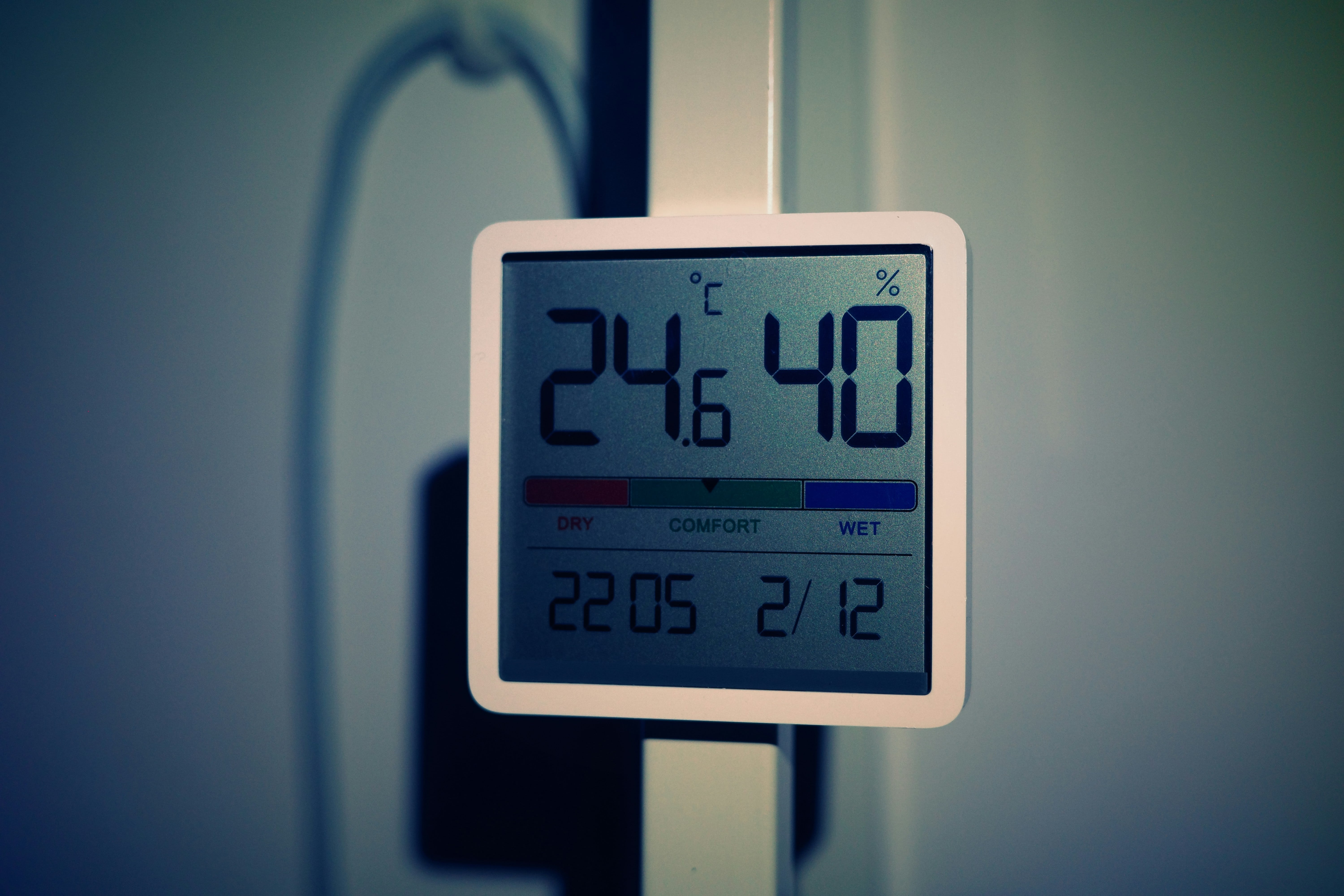
Thermostat Installation in Palm Desert, CA
Thermostat installation in Palm Desert, CA is about more than swapping devices. With long, hot summers, high daytime temperatures, strong sun exposure, and occasional cool winter nights, your thermostat is the central control for comfort, energy use, and system longevity. A professional installation ensures system compatibility, correct wiring and placement, reliable performance, and the best energy savings for desert homes.
Why professional thermostat installation matters in Palm Desert
Palm Desert homes face unique challenges: intense afternoon solar gain on western and southern walls, large windows, high ceilings, and frequent reliance on air conditioning. Incorrect thermostat location or improper wiring can cause short cycling, uneven cooling, and higher utility bills. A professional installer evaluates these local factors and configures your thermostat so your HVAC runs efficiently and reliably.
Common thermostat installation issues in Palm Desert homes
- Incorrect thermostat placement near windows, kitchens, or direct sunlight causing false high readings
- Lack of a common wire (C-wire) for modern smart thermostats
- Multi-stage systems or heat pumps wired incorrectly, leading to short cycling
- Improper grounding or loose connections creating intermittent operation
- Inadequate mounting or poor sealing allowing dust and sand intrusion
- Settings left at factory defaults rather than tailored schedules for desert temperature swings
Types of thermostats and choosing the right model
Choosing between a basic, programmable, or smart thermostat depends on your HVAC system, lifestyle, and energy goals.
- Basic thermostats
- Simple manual control
- Low cost and simple to replace
- Good for renters or very small systems but limited energy optimization
- Programmable thermostats
- Set weekly schedules to match occupancy and temperature patterns
- Helps reduce cooling during predictable away periods
- Requires proper placement and setup to realize savings
- Smart/Wi-Fi thermostats
- Remote access, learning algorithms, geofencing, and integration with home automation
- Typically require a C-wire or a compatible power adapter
- Best for homeowners who want hands-off efficiency, energy reports, and remote control
When selecting a model in Palm Desert, consider features that reduce cooling demand during peak heat: adaptive recovery, multi-stage compatibility, humidity and outdoor temperature sensing, and the ability to integrate with attic fans or whole-house controls.
System compatibility and pre-installation evaluation
A professional installation always begins with a compatibility check:
- Identify HVAC type: single-stage, multi-stage, heat pump, zoned systems, or package units
- Confirm control voltages and existing wiring (24V, line voltage, or proprietary systems)
- Check for a C-wire or plan for an adapter/installation to provide constant power
- Inspect the furnace/air handler control board and relays for compatibility
- Evaluate home layout, sun exposures, and thermostat location options
This evaluation prevents common failures and ensures the selected thermostat will control your existing system reliably.
Professional wiring and mounting procedures
Correct wiring and secure mounting are critical, especially in a desert environment where temperature extremes and dust are concerns.
- Turn off power at the service panel and verify system is de-energized
- Label and photograph existing wires before disconnecting for accurate reconnection
- Use proper wire types and terminal connections; secure with strain relief if needed
- Install a mounting plate that provides a sealed fit to the wall to limit dust and sand ingress
- For multi-zone or advanced systems, verify zone control wiring and communication lines
- If a C-wire is missing, run a new wire from the air handler or install a common wire adapter per manufacturer guidelines
Professional installers follow manufacturer wiring diagrams and local electrical codes to avoid short circuits, improper sequencing, or voided equipment warranties.
Configuration, testing, and validation
After wiring and mounting, thorough setup and testing confirm correct operation:
- Program base schedules and system parameters: heat/cool differentials, fan modes, and staging settings
- Configure smart features: Wi-Fi setup, geofencing, and energy-saving algorithms if applicable
- Test each mode (heat, cool, fan) and all stages of equipment to verify proper sequencing and no short cycling
- Confirm temperature response in multiple rooms and adjust setpoint offsets or remote sensor configurations
- Run a system diagnostic and monitor for 15 to 30 minutes to ensure stable operation under load
Documentation of settings and a simple user guide help homeowners maintain optimal performance.
Thermostat placement best practices for Palm Desert
Proper placement reduces false calls and improves comfort:
- Install on an interior wall away from direct sunlight, exterior doors, kitchens, and appliances
- Avoid locations near supply vents, return grilles, or staircases that create uneven airflow
- Place at eye level in a central, frequently used living area for reliable occupancy sensing
- For homes with large windows or western exposures, consider using remote temperature sensors or placing the thermostat on a wall less affected by solar gain
- In high-ceiling rooms, avoid thermostats that read based on high air stratification; remote sensors can capture occupied zone temperatures
User training and ongoing support
A professional installation includes user education:
- How to use schedules, temporary holds, and vacation modes
- Best fan settings for circulation versus energy savings
- How to interpret basic diagnostics and when to call for service
- Guidance on smart thermostat apps, energy reports, and linking with HVAC service accounts
Clear user training prevents improper adjustments that can reduce efficiency or cause equipment stress.
Warranty, documentation, and risk reduction
Professional installation often comes with documented service records and support that protect your equipment:
- Installer-calibrated settings help maintain manufacturer warranty conditions
- Proper wiring and documented configuration reduce risk of control board damage
- Written installation details and retained photos aid future service technicians
Tips for improving energy savings after installation
- Use programmed schedules: raise cooling setpoints during daytime away hours and lower them before occupancy
- Take advantage of smart features: geofencing, adaptive recovery, and humidity-based control
- Keep filters clean and maintain duct seals; HVAC efficiency is interdependent with thermostat control
- Shade west-facing windows, use reflective window treatments, and operate ceiling fans to reduce thermostat load
- Consider pairing thermostat upgrades with attic insulation or evaporative cooler optimization for Palm Desert climates
Thermostat installation in Palm Desert, CA requires local knowledge and attention to detail. Proper model selection, professional wiring, correct placement, and tailored configuration deliver reliable comfort, protect your HVAC equipment, and maximize energy savings during long, hot seasons. A thorough evaluation and documented installation leave your system ready to perform efficiently under the demands of desert living.
Customer
Testimonials
Our customers consistently praise the exceptional service and professionalism of our team. They appreciate the honest advice, meticulous work, and the care taken to ensure their satisfaction.

.webp)
Service Areas
