

Heating Tune-up in Hollywood, CA

A professional heating tune-up in Hollywood, CA provides reliable comfort, safety, and efficiency by identifying potential issues before they escalate. Services address common heating problems in mild, coastal winters and include a thorough inspection of filters, burners, airflow, wiring, and combustion systems. Technicians perform diagnostic testing and minor repairs as needed, helping to extend system life, lower energy costs, and improve indoor air quality for Hollywood homes through consistent, proactive maintenance.
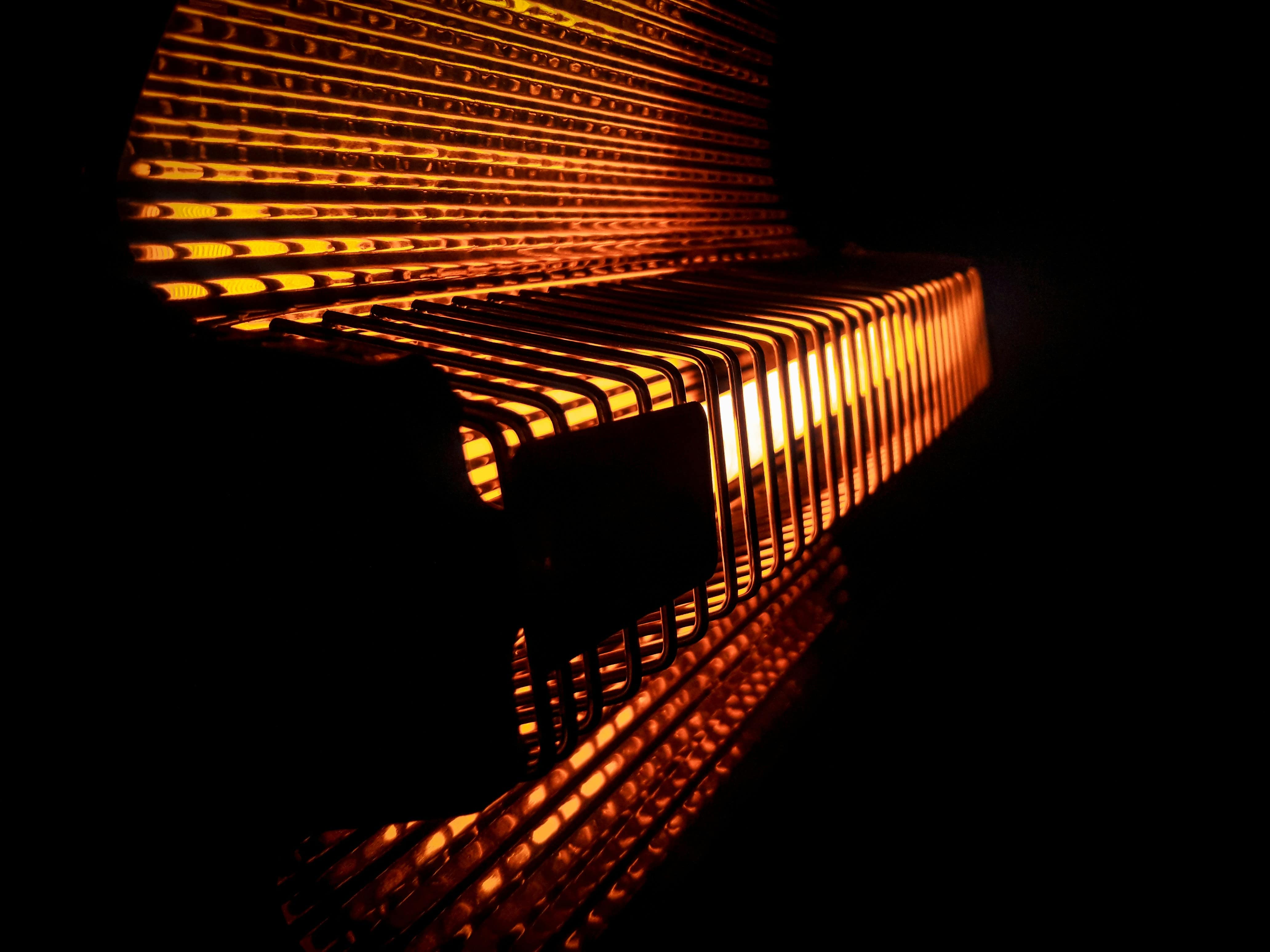
Heating Tune-up in Hollywood, CA
Keeping your heating system tuned and safe is important in Hollywood, CA even though winters are mild. Nighttime temperature drops, coastal humidity, and older apartment or historic Hollywood homes can all put extra strain on heating equipment. A professional heating tune-up in Hollywood, CA ensures reliable comfort, lowers operating costs, and reduces the risk of safety issues like carbon monoxide leaks.
Why a seasonal heating tune-up matters in Hollywood
- Mild winters mean systems run intermittently but can face short, frequent cycles that cause wear.
- Coastal air brings salt and particulates that accelerate corrosion and clog filters and burners.
- Many Hollywood homes are older or have complex duct runs; poor airflow and insulation issues are common.A tune-up catches small problems before they become breakdowns, keeps systems running efficiently, and supports home safety.
Common heating problems in Hollywood homes
- Reduced heat output or uneven heating between rooms
- Frequent on/off cycling or short cycles that waste energy
- Noisy burners, rattling ducts, or squealing motors
- Poor indoor air quality from dirty filters and ducts
- Faulty or drifting thermostats leading to inconsistent comfort
- Safety risks like cracked heat exchangers or improperly vented exhausts
Seasonal heating tune-up checklist
A complete tune-up follows a thorough checklist to address performance, safety, and longevity. Typical inspection and maintenance tasks include:
- Filter replacement
- Replace or clean disposable and reusable filters. A clean filter improves airflow and prevents strain on the blower motor.
- Burner and ignition checks
- Inspect burners for proper flame pattern and color, and test ignition timing and reliability to prevent delayed ignition and inefficient combustion.
- Thermostat calibration
- Verify thermostat accuracy and program settings so your system cycles appropriately and maintains consistent temperatures.
- Safety and carbon monoxide checks
- Inspect the heat exchanger, venting, and flue for cracks or leaks, and measure combustion gases when possible to ensure safe operation.
- Airflow and duct assessment
- Evaluate supply and return airflow, look for disconnected or leaky ducts, and recommend sealing or adjustments to balance rooms.
- Lubrication and mechanical inspection
- Lubricate motors, bearings, and moving parts where applicable to reduce friction and extend component life.
- Electrical inspections
- Check wiring, connections, capacitors, relays, and safety switches for wear or damage to prevent failures and fire risks.
- Combustion efficiency check (where applicable)
- Measure combustion efficiency and adjust fuel delivery for oil, gas, or other systems to optimize performance.
How technicians diagnose and test during a tune-up
Technicians follow a methodical process that starts with a visual inspection and system history review. Diagnostic steps typically include:
- System start and observation: Note startup behavior, unusual noises, and cycling.
- Instrument tests: Use gauges and analyzers to check pressures, voltages, and combustion gases.
- Component checks: Test thermostats, sensors, ignition, and safety controls.
- Performance verification: Confirm that the system reaches set temperatures within expected timeframes and maintains stable operation.
Documentation of findings and recommended actions helps homeowners understand any repairs needed and expected benefits of each service.
Typical repair solutions identified during tune-ups
If issues are found, common repairs following a tune-up include:
- Replacing clogged filters, faulty thermostats, or worn belts
- Cleaning or adjusting burners and ignition components
- Sealing duct leaks, insulating problem ducts, or rebalancing airflow
- Replacing capacitors, relays, or worn bearings on blower motors
- Repairing venting or addressing minor heat exchanger concerns to maintain safety
Benefits of regular heating tune-ups
- Improved energy efficiency and lower utility bills through proper combustion and airflow
- Extended system lifespan by reducing wear and catching problems early
- Fewer emergency breakdowns during cold snaps or overnight use
- Enhanced indoor air quality from clean filters and duct attention
- Increased safety by identifying combustion and carbon monoxide risks
- Keeps equipment warranty compliance in many cases by documenting annual maintenance
Recommended frequency for tune-ups in Hollywood, CA
- Annual professional tune-up before the heating season is the industry standard and recommended for most homes.
- Homes with older systems, high dust loads, or frequent short cycles may benefit from mid-season checks.
- Rental properties and multiunit buildings should consider more frequent inspections to maintain occupant safety and code compliance.
Membership plan options (no pricing)
Many homeowners choose a maintenance membership plan for predictability and added value. Typical membership features include:
- Scheduled annual inspections and tune-ups
- Priority scheduling during high-demand periods
- Discounted diagnostic fees or labor for recommended repairs
- Regular filter delivery or replacement reminders
- Detailed service reports that help with warranty or resale documentation
Memberships are designed to simplify maintenance and reduce the likelihood of emergency service needs without tying to a specific price point.
What to expect during a tune-up appointment
A standard tune-up appointment commonly takes 45 to 90 minutes depending on system complexity. Technicians will:
- Inspect and test system components and safety devices
- Replace filters and perform routine cleaning tasks
- Make basic adjustments and identify any parts that need repair
- Provide a clear written summary of findings, services performed, and recommended next steps
Practical maintenance tips for Hollywood homeowners
- Replace or check filters every 1 to 3 months depending on filter type and household conditions.
- Keep vents unobstructed and ensure return grills are not covered by furniture.
- Seal attic and duct leaks and add insulation where cold air infiltration is noticeable.
- Use thermostat programming to avoid unnecessary cycling during mild daytime temperatures.
- Install and test carbon monoxide detectors on every level and near sleeping areas.
Safety and carbon monoxide guidance
Carbon monoxide is colorless and odorless. Regular tune-ups include tests and inspections to reduce CO risk, but detectors provide a crucial layer of protection. If a detector alarm sounds, follow local emergency protocols and ensure proper venting and combustion checks during the next service.
Regular seasonal heating tune-ups in Hollywood, CA protect comfort, safety, and the value of your home. By following a comprehensive checklist, diagnosing issues early, and maintaining equipment consistently, homeowners can enjoy reliable warmth, improved efficiency, and greater peace of mind throughout the cooler months.
Customer
Testimonials
Our customers consistently praise the exceptional service and professionalism of our team. They appreciate the honest advice, meticulous work, and the care taken to ensure their satisfaction.

.webp)
Service Areas
