

Air conditioning tune-ups in El Monte, CA, provide preventive care to reduce breakdown risk, maintain comfort, and extend system life. At Precise Air Systems (FERGUSON), we outline why seasonal maintenance matters in El Monte's climate, common local issues such as dirty filters, dirty coils, refrigerant leaks, electrical wear, thermostat drift, and duct leaks, and what a typical tune-up covers—from filter checks and coil cleaning to thermostat calibration and a written service report. Scheduling options and homeowner tips help keep systems efficient year-round.

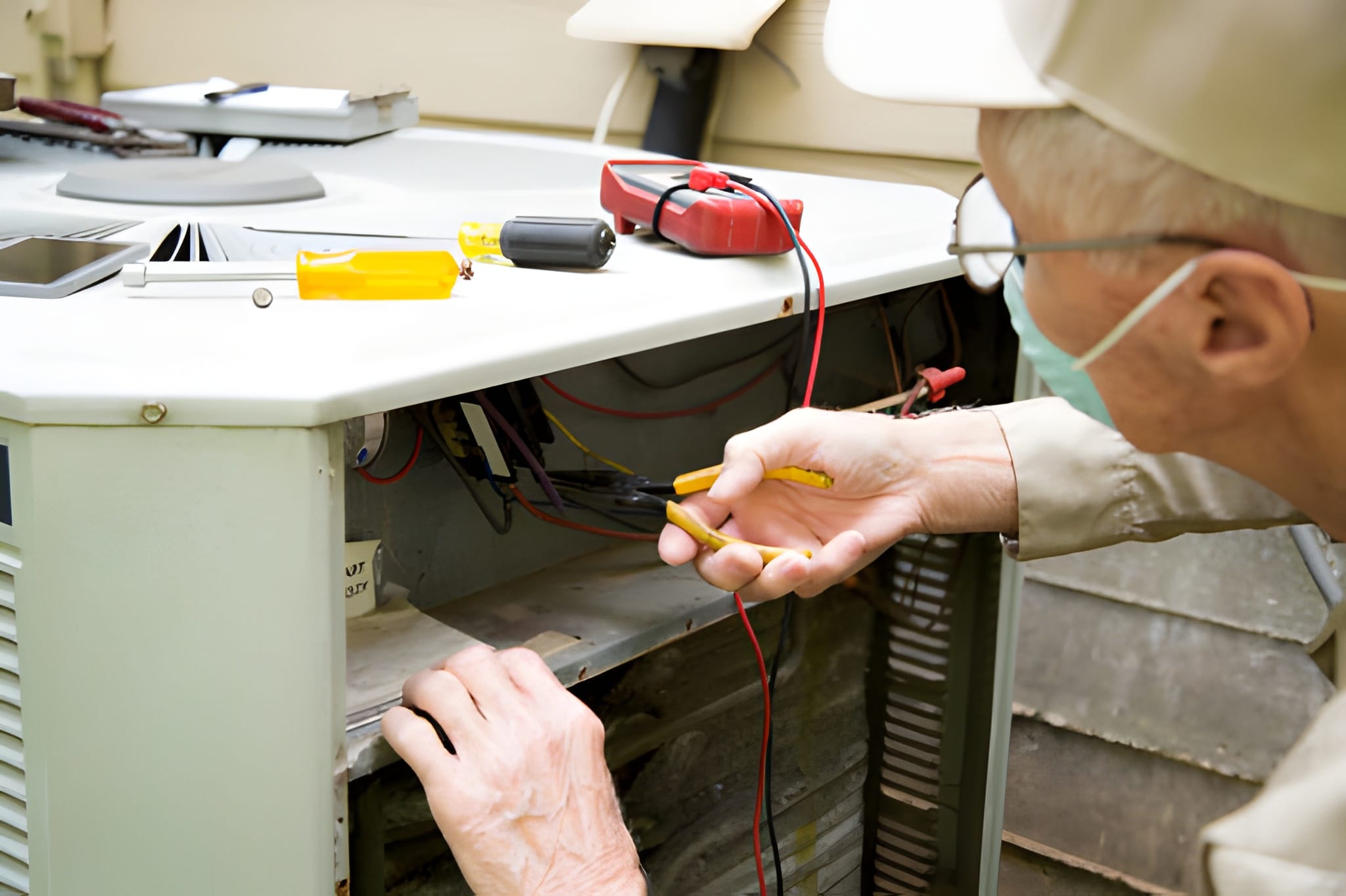
Air Conditioning Tune-up in El Monte, CA
Keeping your air conditioning running reliably and efficiently is essential in El Monte, CA, where hot summers, seasonal dust, and varied air quality put extra stress on cooling systems. A professional Air Conditioning Tune-up in El Monte, CA focuses on preventative care that reduces breakdown risk, improves comfort, and preserves equipment life. This page explains what a seasonal tune-up includes, common local issues, the diagnostic process, and the lasting benefits of timely maintenance.
Why a seasonal AC tune-up matters in El Monte
El Monte’s inland location brings high summer temperatures and frequent use of air conditioning. Nearby freeways and urban pollution increase airborne particles that clog filters and coils faster than in coastal areas. Without routine maintenance, your system works harder, consumes more energy, and faces higher failure risk during peak cooling demand. A seasonal tune-up addresses those stressors proactively so your home stays comfortable when you need it most.
Common AC problems in El Monte homes
- Dirty or clogged filters from dust, pollen, and pollution, reducing airflow and indoor air quality
- Condenser coils obstructed by debris from yards, streets, and smog, lowering heat transfer efficiency
- Low refrigerant or slow leaks after years of service, resulting in reduced cooling capacity and higher run times
- Electrical wear (loose connections, failing capacitors) caused by frequent cycling in extreme heat
- Thermostat drift or improper calibration, leading to uneven temperatures or short cycling
- Restricted airflow from duct leaks, vents blocked by furniture, or failing blower motors
Understanding these common issues helps prioritize tune-up work so your system is prepared for El Monte’s climate demands.
What a typical seasonal tune-up covers
A comprehensive seasonal tune-up is a systematic inspection and cleaning process designed to restore efficiency and identify potential failures early. Most service visits include:
- Filter inspection and replacement (or verification of homeowner-supplied filters)
- Outdoor condenser and coil cleaning to remove dirt, leaves, and grime
- Refrigerant level verification and leak symptom checks (full leak diagnosis only if needed)
- Electrical system inspection: terminals, capacitors, contactors, and correct wiring tightness
- Thermostat inspection and calibration to ensure accurate control and proper cycle timing
- Airflow assessment: blower motor test, supply and return flow checks, and vent evaluation
- Safety checks: condensate drain condition, overflow protection, and proper system shutoff operation
- Efficiency optimization: fine-tuning fan speeds, control settings, and ensuring correct charge when safe and appropriate
- A written service report summarizing findings, efficiency observations, and prioritized recommendations
Why each step matters (in plain language)
- Filter checks prevent dust buildup that chokes airflow, reducing efficiency and increasing wear on the blower motor.
- Coil and condenser cleaning ensures the system can reject heat effectively; a dirty condenser makes compressors run longer and hotter.
- Verifying refrigerant levels points to leaks or undercharge conditions that reduce cooling output and can damage the compressor if ignored.
- Electrical inspections catch failing components before they cause sudden breakdowns. Small loose connections can lead to costly part failures.
- Thermostat adjustments resolve many comfort complaints and eliminate unnecessary cycling that shortens equipment life.
- Airflow tests identify restrictions that force the system to overwork; correcting airflow improves comfort and lowers energy use.
Technicians use straightforward diagnostic tools—visual inspection, airflow measurements, amp meters, gauge sets for refrigerant checks, and thermostat testers—to produce reliable, non-technical results homeowners can understand.
The written service report and recommendations
At the end of the tune-up you receive a clear, written report that typically includes:
- Items inspected and actions taken (filters replaced, coils cleaned, etc.)
- Measured performance indicators (temperatures, pressures, and amperages) with plain-language explanations
- Safety concerns requiring prompt attention and recommended fixes prioritized by urgency
- Estimated remaining useful life for major components when observable
- Maintenance suggestions to keep the system performing between visits
A written record is valuable for maintaining manufacturer warranties (many require annual maintenance), tracking system health over time, and planning future investments.
Scheduling options and preventative care
Seasonal tune-ups are most effective when scheduled before peak cooling season—ideally in spring for El Monte homes. Depending on system age and usage, options include:
- Annual tune-up to meet warranty requirements and ensure readiness for summer
- Biannual plans for older systems or homes with heavy use to catch wear sooner
- Reminder-based scheduling or membership-style preventative plans that include priority visit windows and documented inspection history
- Flexible service windows to align tune-ups with homeowner availability and seasonal needs
These scheduling choices reduce the chance of midseason failures and help spread maintenance across the year.
Homeowner maintenance tips between tune-ups
- Replace or clean filters every 1–3 months during heavy use to maintain airflow and indoor air quality.
- Keep at least two feet of clearance around the outdoor unit; trim plants and remove leaves or debris periodically.
- Ensure vents and returns are not blocked by furniture or rugs.
- Monitor for unusual noises, odors, or a steady rise in energy bills—these often precede system breakdowns.
- Use a programmable or smart thermostat to reduce unnecessary runtime and limit strain on peak days.
Simple attention between professional visits preserves efficiency and reduces emergency repair likelihood.
Expected results and long-term benefits
A properly executed seasonal tune-up typically restores lost efficiency, reduces runtime during hot days, stabilizes indoor temperatures, and lowers the chance of sudden failures. Over time, regular maintenance:
- Extends equipment life by reducing mechanical stress
- Helps protect warranties and preserves resale value of the system
- Improves indoor comfort and protects indoor air quality by keeping filters and coils clean
- Lowers energy consumption and operating costs through efficiency gains
In El Monte’s climate, consistent seasonal tune-ups are especially valuable because they directly address the local stresses—heat, dust, and urban particulates—that accelerate wear on cooling systems.
Regular, documented tune-ups give homeowners confidence that their AC is prepared for El Monte summers, runs efficiently, and avoids preventable breakdowns.
Customer
Testimonials
Our customers consistently praise the exceptional service and professionalism of our team. They appreciate the honest advice, meticulous work, and the care taken to ensure their satisfaction.

.webp)
Service Areas
