
Repair or Replace? An Honest Guide for Aging AC Systems in Los Angeles
The honest answer in one line: repair a younger system with its first fault; replace an old system with repeat repairs and rising bills. Here's the LA-specific math for 2026 — including how the refrigerant transition changes it.
By the Precise Air Systems, Inc. Team — reviewed by our senior technicians with 52 years of Los Angeles HVAC experience. Family-owned since 1975 · CA Lic #428900 · Mitsubishi Electric Elite Dealer.
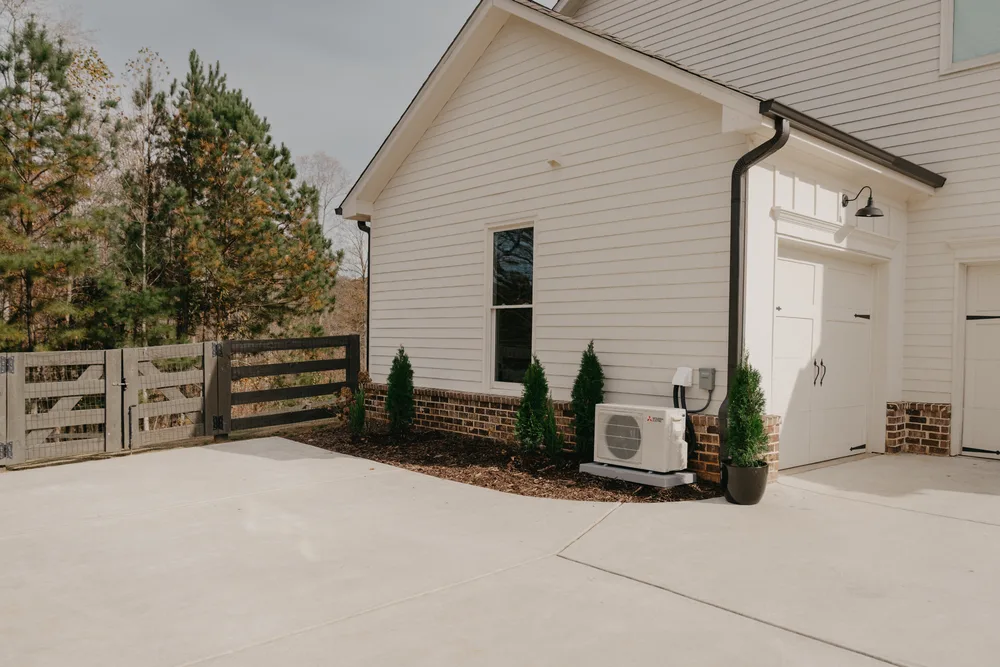
The short answer: if your air conditioner is under 10 years old and this is its first real fault, repair it. If it is 12–15+ years old, needs repeat repairs, and your summer bills keep climbing, replacement almost always wins the five-year math. Everything below is how we make that call honestly in a Los Angeles home — no sales pitch, just the same logic our technicians use in person.
When does repair make sense for an LA air conditioner?
Repair is usually the right call when the system is relatively young, the fault is a single component, and the system still cools evenly. In our fieldwork across Glendale, Burbank, and the San Fernando Valley since 1975, systems that were sized correctly and maintained twice a year routinely deliver 15+ reliable summers. A capacitor, contactor, fan motor, or drain fault on a 7-year-old system is a repair — full stop.
When does replacement win the math?
- Age 12–15+ with repeat repairs. Once you are paying for a second or third significant repair in two seasons, you are financing the old system's decline instead of a new system's efficiency.
- A single repair costs more than a third of a comparable new unit. The classic contractor rule of thumb — and we apply it transparently, in writing.
- It uses a phased-out refrigerant. R-22 has been gone for years, and the industry is now moving beyond R-410A too (details below), so a major sealed-system repair on an old unit buys you into a shrinking supply chain.
- Bills climb despite maintenance. Long Valley cooling seasons magnify every lost point of efficiency — an oversized or failing system shows up directly on a summer LADWP or SCE bill.
How does the 2026 refrigerant transition change the decision?
Under the federal EPA phasedown of hydrofluorocarbons (AIM Act), new residential AC and heat pump equipment has shifted to lower-GWP refrigerants such as R-32 and R-454B, with restrictions on higher-GWP HFCs in new equipment beginning in 2025. What that means for your decision: servicing older R-410A systems will gradually get more expensive as supply tightens, so a large refrigerant-circuit repair on an aging R-410A unit deserves harder scrutiny than the same repair five years ago. (We cover this fully in what the R-410A phase-down means for LA repair costs.)
What does replacement actually involve in Los Angeles?
Two LA-specific realities most national advice skips:
- Permits. Replacing a system in the City of LA requires a mechanical permit from LADBS; routine like-for-like changeouts typically qualify for the faster express-permit path (see our LA HVAC permit guide). A licensed contractor handles this for you — if a bid skips the permit, that is a red flag, not a discount.
- Energy code testing. California's 2025 Building Energy Efficiency Standards (Title 24) apply to permits filed on or after January 1, 2026, and duct-leakage / airflow verification is part of a compliant changeout.
Repair vs replace at a glance
| Signal | Leans repair | Leans replace |
|---|---|---|
| System age | Under 10 years | 12–15+ years |
| Repair history | First significant fault | Second or third repair in two seasons |
| Repair cost | Small component (capacitor, contactor, motor) | More than ~1/3 of a comparable new unit, or a sealed-system fault |
| Refrigerant | Current-generation refrigerant | R-22, or a major R-410A circuit repair |
| Bills & comfort | Cools evenly, stable bills | Rising bills, hot rooms, long run times |
Either way, you get a clear written quote with transparent, upfront pricing and a free comprehensive home safety inspection — then the decision is yours, with no pressure. If replacement is the answer, it is also the natural moment to price a heat pump conversion alongside a like-for-like AC, since one system can then cover both seasons.
Prefer a straight answer from a person?
Transparent, upfront pricing and honest recommendations — the standard since 1975.
Frequently asked questions
Is it worth repairing a 15-year-old air conditioner in Los Angeles?
Usually not, unless the repair is genuinely minor. At 15 years a system has served a full design life through long LA cooling seasons, and money spent on major repairs buys none of the efficiency, warranty, or refrigerant-supply advantages of a new system. We will still quote the repair honestly — some minor fixes are worth one more summer — but we will show you the five-year math for both paths. Try the Repair vs Replace guide for an instant read.
What is the 'one-third rule' for AC replacement?
If a single repair costs more than about one-third of the price of a comparable new system, replacement is usually the better investment — especially on systems past 10–12 years. It is a screening rule, not a law: age, refrigerant type, repair history, and your plans for the home all move the line.
Does replacing my AC require a permit in Los Angeles?
Yes. HVAC replacement in the City of LA requires a mechanical permit from LADBS, and permits filed from January 1, 2026 fall under the 2025 Title 24 energy code, which includes duct and airflow verification. A licensed contractor pulls the permit and schedules testing for you — see our LA permit guide for the full picture.
Should I switch to a heat pump instead of replacing my AC?
If your AC is due for replacement anyway, pricing a heat pump at the same time costs you nothing and often makes sense in LA's mild-winter climate — one system then heats and cools all year. Read our heat pump guide for Southern California, then ask us for honest numbers on both paths.